Anker Nano Power Bank (10,000mAh, Built-In USB-C) Review

Pocket-sized backup battery with a built-in USB-C plug—no cable to forget, ever.
A 10,000mAh battery with the USB-C cable already attached, so the one thing you always forget is the one thing you can't. For phone-toppers and travelers, that single design choice is the whole pitch.
What the Anker Nano Power Bank actually is
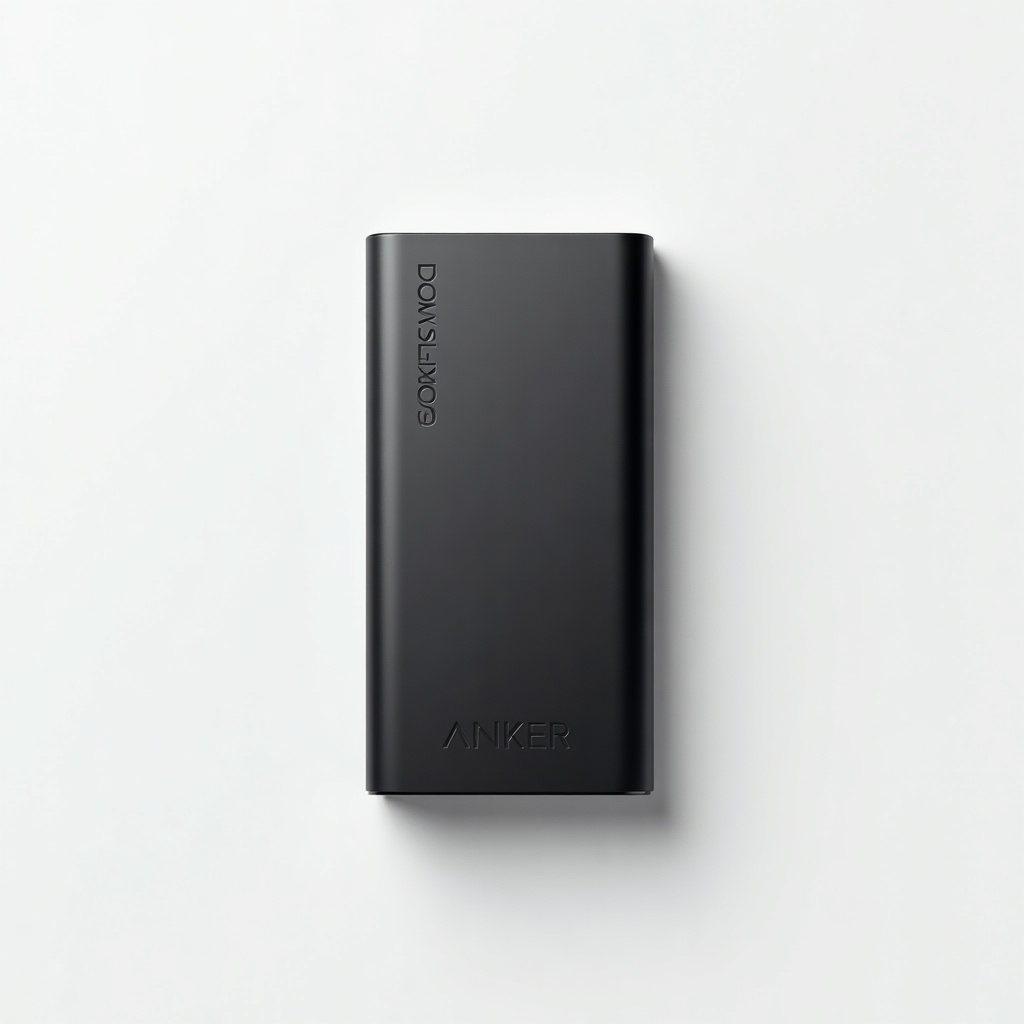
This is Anker's small 10,000mAh battery with a short USB-C connector built right into the body. No separate cable. You flip the plug out, jab it into your phone, and you're charging. There's also a USB-C port on the side if you'd rather use your own cable or top up a second device.
10,000mAh is the sweet-spot capacity for this category. Enough for roughly one and a half to two full phone charges depending on your handset, but still small enough to live in a jacket pocket without feeling like a brick. Anker rates it at 30W output, which is fast enough to give most phones a meaningful boost in 20 to 30 minutes.
How it performs day to day
The built-in plug is the reason to buy this over a cheaper slab. Owners consistently rank it as the feature they didn't know they needed until they had it. You stop carrying a spare cable. You stop digging through a bag at the airport. The connector doubles as a little stand-up loop too, which is handy for propping the phone while it tops off.
Charging speed is solid for a phone but not magic. 30W will refill an iPhone or a mid-range Android quickly, but it won't fast-charge a power-hungry laptop. The battery itself recharges over USB-C, and refilling 10,000mAh takes a couple of hours from a decent wall charger. The plug is rigid, so on chunky phone cases it can sit at an awkward angle and put a bit of strain on the port. Worth knowing if you run a thick case.
The good and the annoying
Pros: the integrated USB-C plug solves a genuine real-world headache, the 10,000mAh capacity hits the travel-friendly limit for most airlines, the build is typical Anker (dense, reassuring, not creaky), and 30W is plenty for phones. The pass-through and second port add flexibility most cable-free banks skip.
Cons: it's heavier and a touch bulkier than a basic 10,000mAh battery because of the rigid plug housing. The fixed connector means if that one plug ever fails, you're leaning on the spare port. And it's USB-C only on the built-in side, so iPhone owners with older Lightning gear or anyone with micro-USB devices won't get the plug-free convenience there.
Who should buy it, who should skip it
Buy it if you carry a USB-C phone and you're tired of forgetting cables. Commuters, travelers, festival-goers, and anyone whose phone dies by 4pm will get the most out of the built-in plug. It's also a clean gift because it just works out of the box.
Skip it if you mainly need to charge a laptop, in which case look at a 20,000mAh, 65W-plus bank instead. Skip it too if you want the absolute lightest, cheapest 10,000mAh battery and don't care about the attached cable. A plain Anker or UGREEN slab will save you a few dollars and a bit of weight.
Verdict
For around $25 to $40, this is one of the easiest tech-gadget recommendations to make. The capacity is right, the output is right, and the built-in USB-C plug fixes a problem nearly everyone has. It isn't the lightest or the most powerful battery you can buy, but it's the one you'll actually have charged and ready because there's no missing cable to sabotage you. Easy to recommend for most phone owners.
Frequently asked questions
- Can the Anker Nano Power Bank charge a laptop?
- It can trickle-charge or slow-charge a laptop over the side USB-C port, but at 30W it's not meant for serious laptop use. For laptops, go with a higher-capacity, higher-wattage bank in the 65W to 100W range.
- How many times will 10,000mAh charge my phone?
- Expect roughly one and a half to two full charges for most modern phones. Bigger-battery flagships land closer to one and a half; smaller phones get closer to two.
- Is it allowed on planes?
- Yes. At 10,000mAh (around 37Wh), it's well under the typical 100Wh airline limit for carry-on lithium batteries. Keep it in your carry-on, not checked luggage.
Daniel covers home, kitchen, and everyday-carry gear. He's a stickler for durability and value, and has no patience for overpriced hype.