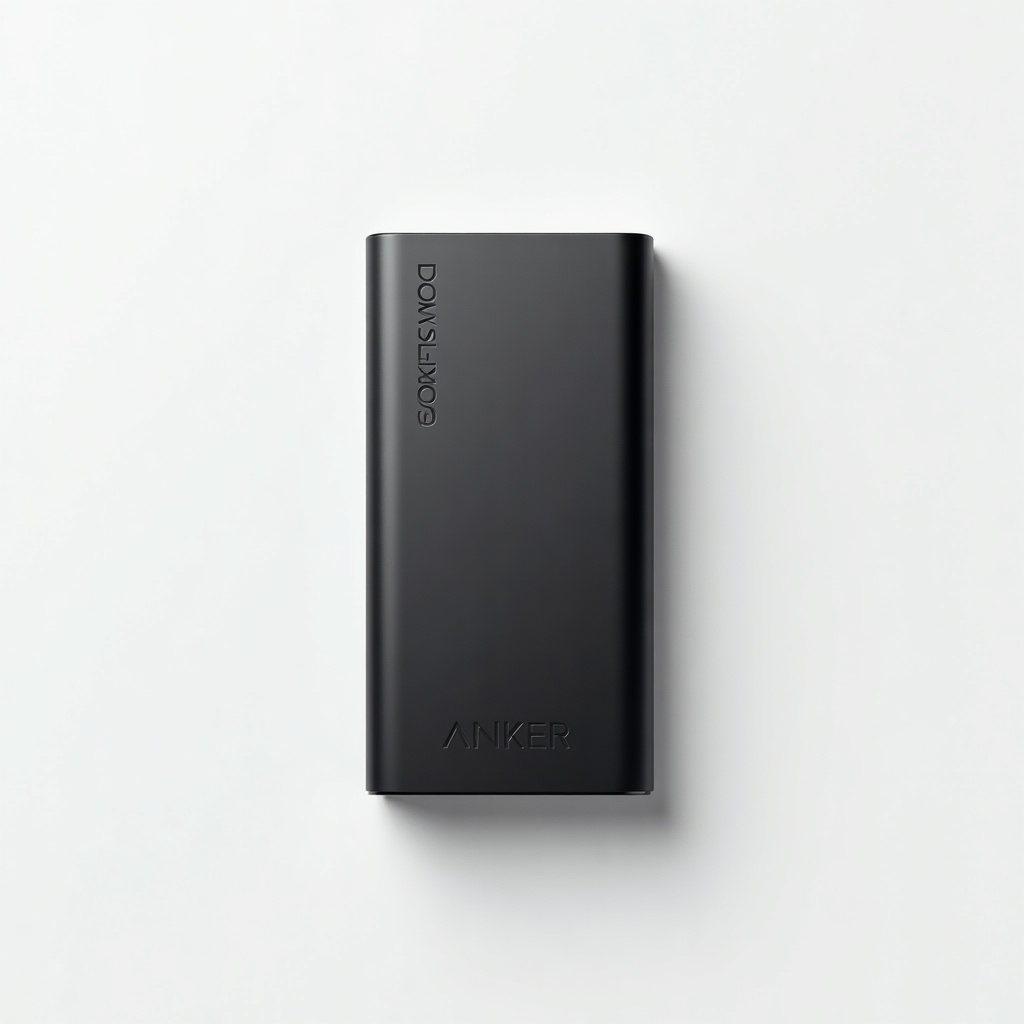
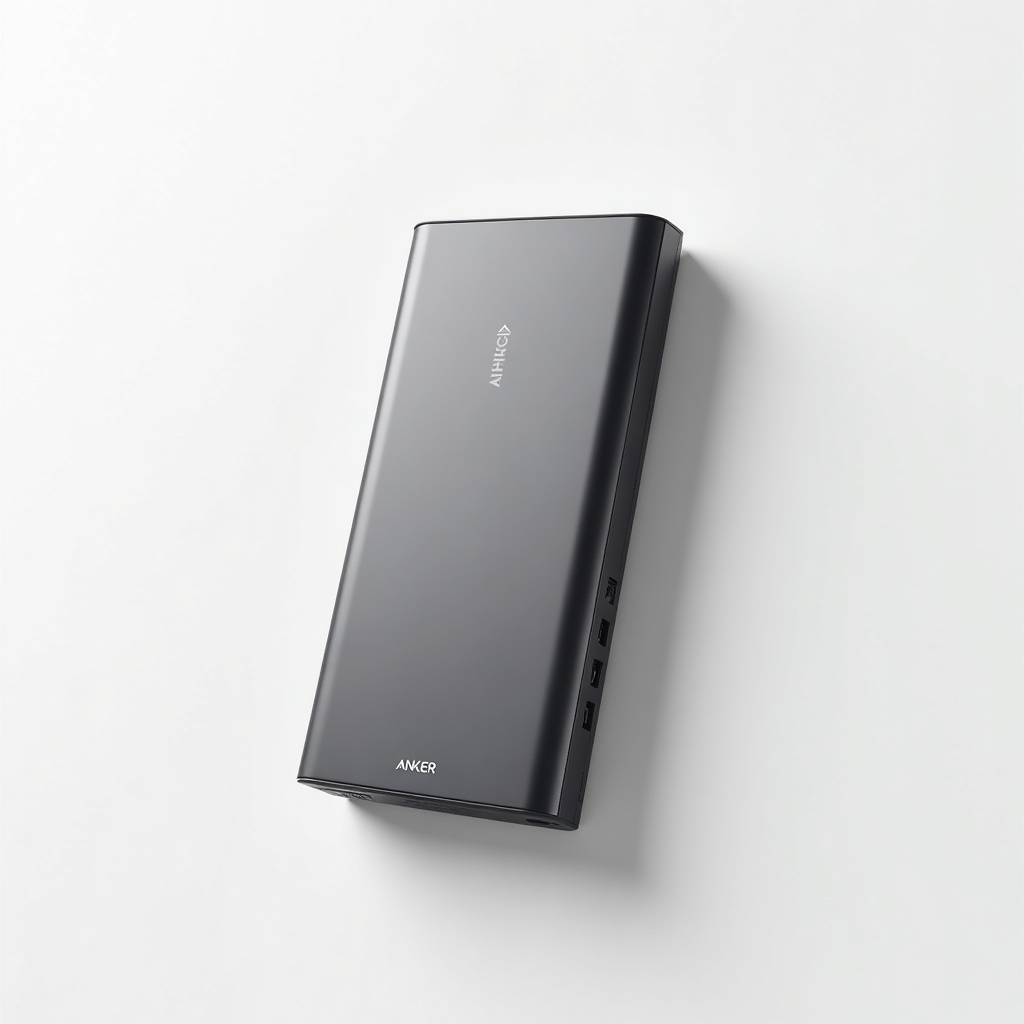
Anker 535 Power Bank (PowerCore 20K) Review

20,000mAh of backup with a built-in display so you actually know how much juice is left.
Two full phone charges, a useful percentage readout, and a price that won't make you wince. The Anker 535 is the unglamorous battery most people should actually buy.
What the Anker 535 actually is
This is a 20,000mAh power bank in the boring-but-reliable category Anker basically built its reputation on. It pushes out 30W over USB-C with Power Delivery, which is enough to fast-charge a phone and trickle-charge a small laptop or tablet in a pinch. There are two USB-A ports and a single USB-C, so you can keep three devices alive at once.
The headline feature is the little LED display on the side. Instead of squinting at four mystery dots, you get an actual number telling you how much charge is left. Sounds trivial. It isn't. Knowing you've got 38% before a flight is genuinely more useful than guessing from a blinking light.
How it performs day to day
Capacity is the strong suit here. Owners consistently report getting roughly two to three full charges out of a modern phone, which lines up with the math once you account for normal conversion losses. A 20,000mAh pack realistically delivers around 12,000–13,000mAh to your devices, and that's true of every brand, not just Anker.
The 30W output is the honest middle ground. It'll fast-charge an iPhone or a Pixel without drama and top up a MacBook Air slowly if you're desperate. What it won't do is charge a power-hungry laptop at full tilt or refill itself quickly, recharging the bank takes a few hours. If you need 60W or 100W laptop charging, this isn't the model. The 535 is for phones, earbuds, a Switch, and tablets.
Pros and cons
Pros: the digital percentage display is the best reason to pick this over a cheaper Anker. Build quality is solid, the three ports cover most real situations, and Anker's warranty and customer support are reliably good. Pricing in the $45–$70 range is fair for what you get.
Cons: it's chunky and heavy, around 12 ounces, so it lives in a bag rather than a pocket. Self-recharge speed is unremarkable. And at 100Wh it's right at the airline carry-on limit, which is fine but worth knowing. The 30W cap also means power users will outgrow it.
Who should buy it, and who should skip
Buy it if you want one dependable battery for travel, long workdays, festivals, or camping, and you mainly charge phones and small gadgets. The display alone makes it our pick for anyone who's been burned by a power bank that died with no warning.
Skip it if you want something pocketable for a quick top-up, in which case a 10,000mAh model is lighter and cheaper. Skip it too if you need to fast-charge a real laptop, look at a 100W bank instead. For everyone in between, the 535 hits the sweet spot.
The verdict
The Anker 535 is the answer to "just tell me which power bank to get." It's not exciting and it doesn't need to be. You get big capacity, three ports, a genuinely useful readout, and Anker's track record for not dying after six months. For most people charging phones and tablets, this is the easy recommendation.
Frequently asked questions
- Can the Anker 535 charge a laptop?
- It can charge low-power laptops like a MacBook Air slowly over its 30W USB-C port, but it won't fast-charge demanding laptops. For full-speed laptop charging, get a 65W–100W power bank.
- How many times can the Anker 535 charge a phone?
- Expect roughly two to three full charges for a typical modern smartphone. Real-world output from a 20,000mAh pack is around 12,000–13,000mAh after conversion losses.
- Is the Anker 535 allowed on planes?
- Yes. At 100Wh it sits right at the standard airline limit for carry-on lithium batteries, so it's flight-friendly. Always pack it in your carry-on, never checked luggage.
Daniel covers home, kitchen, and everyday-carry gear. He's a stickler for durability and value, and has no patience for overpriced hype.