Anker 525 Charging Station (7-in-1) Review

Reclaim your outlet: 7 ports, fast USB-C charging, and a tidy desk in one compact brick.
One outlet, seven devices, and a desk that stops looking like a snake pit. The Anker 525 is the boring-in-a-good-way fix for power clutter.
What the Anker 525 Charging Station actually is
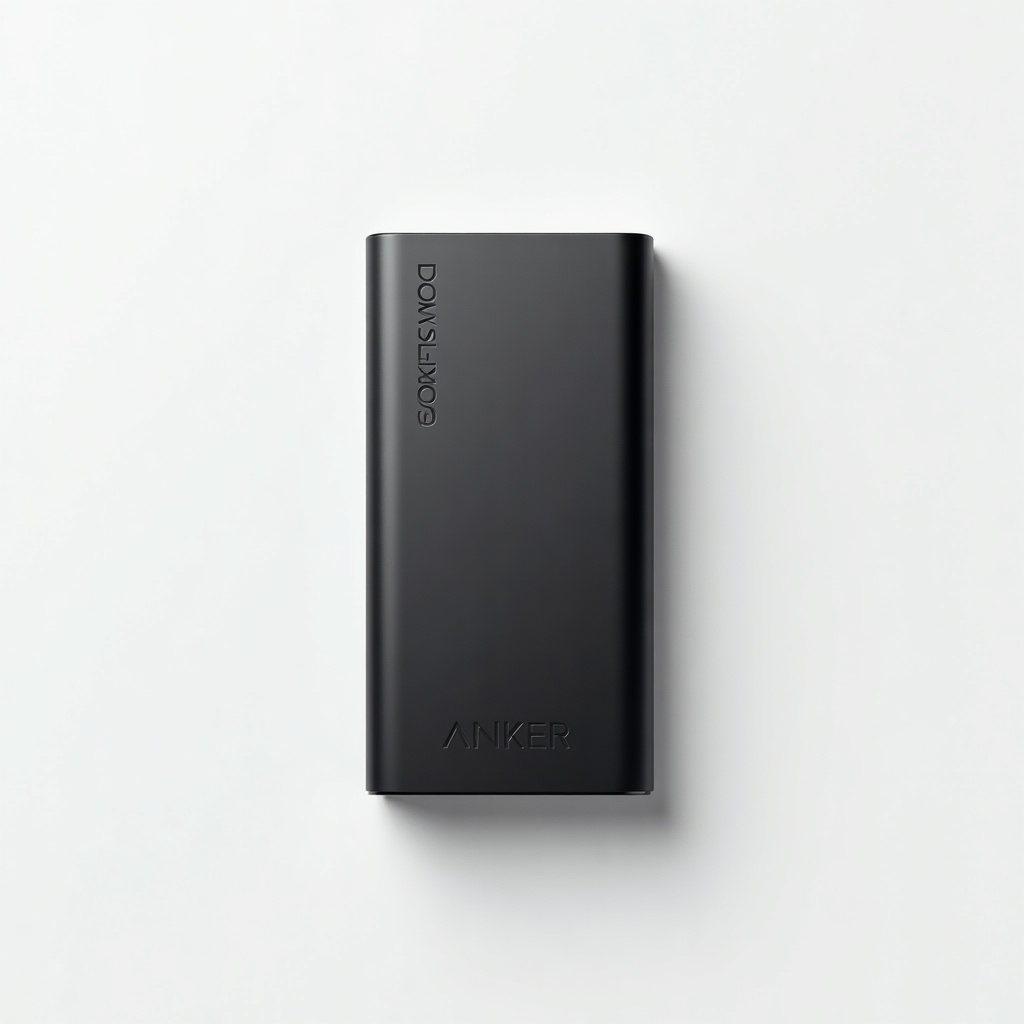
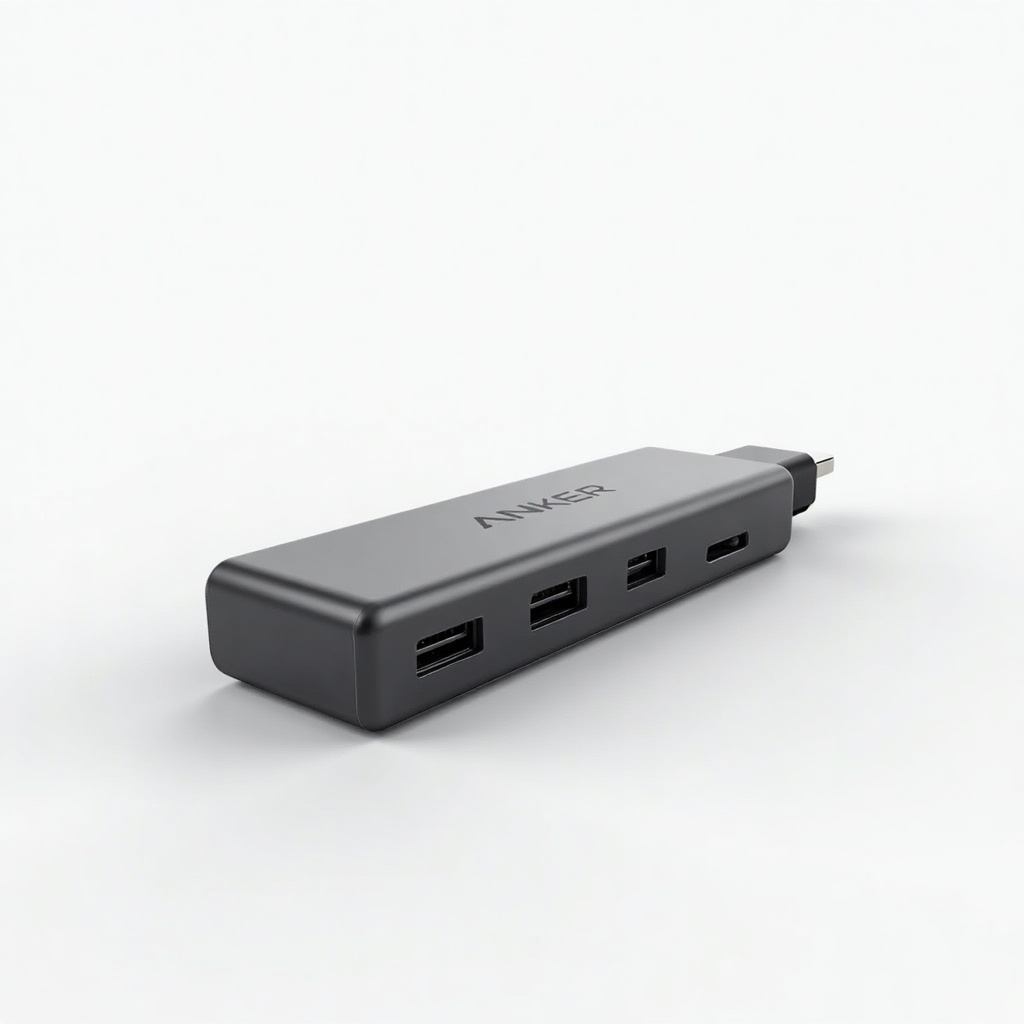
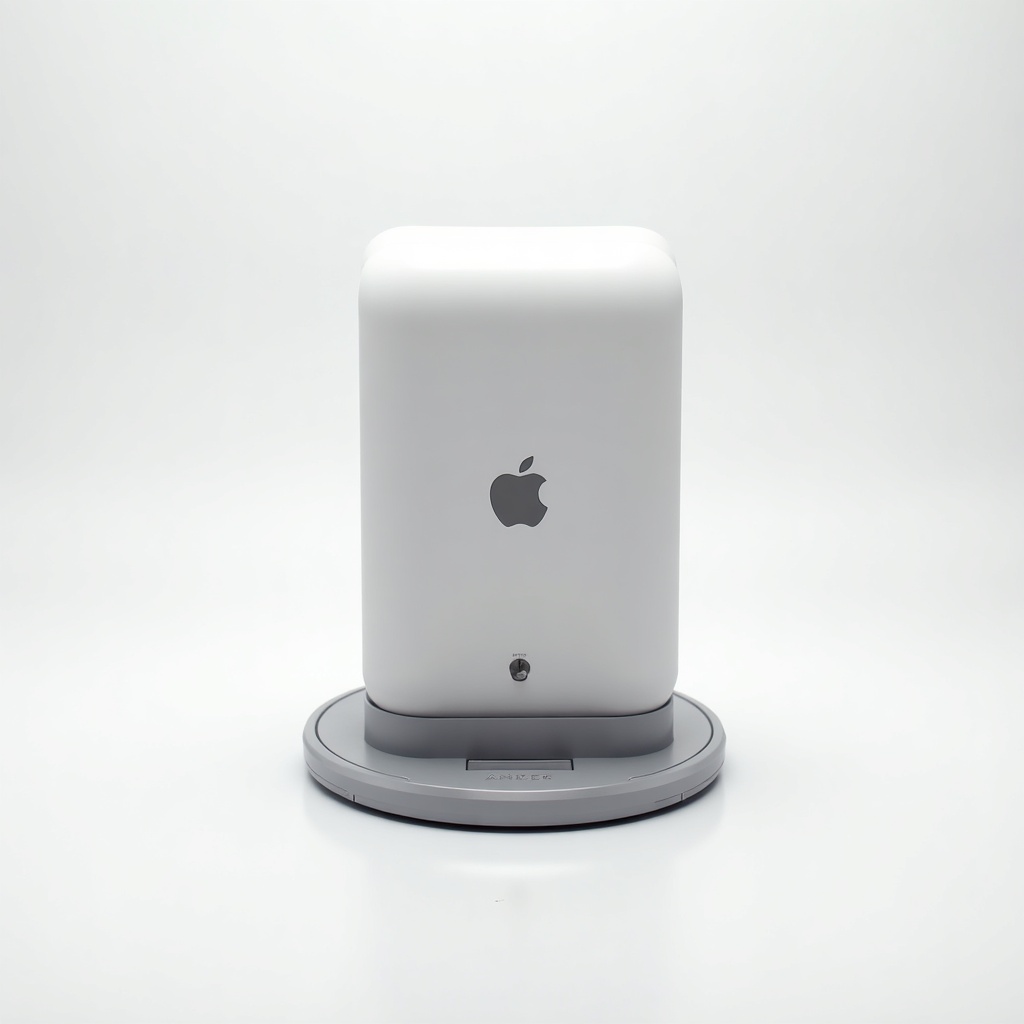
This is a compact power brick that turns a single wall outlet into seven outputs. You get three AC sockets, two USB-C ports, and two USB-A ports, all packed into a block roughly the size of a chunky sandwich. Anker rates the whole thing at 65W shared across the USB ports, which is the number that matters more than the marketing.
It plugs straight into the wall with a fixed plug, so there's no dangling cord to manage. The design goal is obvious. Fewer chargers, fewer wall warts hogging your power strip, and one tidy hub on the corner of a desk or nightstand.
How it performs day to day
The USB-C ports are the headline. A single port can push enough wattage to fast-charge a phone quickly and keep a 13-inch laptop topped up, which covers most people. Plug in a MacBook Air, an iPhone, and a pair of earbuds at once and it handles the load without drama.
The catch is that 65W is a shared budget. Run two power-hungry devices through both USB-C ports and the wattage splits, so a laptop that wants 60W on its own will charge slower with a tablet sharing the pool. For a single laptop plus phones and accessories, you'll never notice. For two laptops, look elsewhere.
The AC sockets are standard pass-through power, handy for a monitor, a lamp, or a desk fan. Owners consistently praise how much cable chaos this removes. It runs warm under heavy load, which is normal for a 65W brick, not a defect.
The good and the annoying
Pros: genuinely useful port mix, solid Anker build quality, fast enough USB-C for the vast majority of laptops and phones, and a footprint small enough to throw in a bag for travel. The all-in-one wall plug design is the real win here.
Cons: the shared 65W ceiling limits heavy multi-device charging. The fixed plug orientation can block a neighboring outlet depending on your wall setup. And there's no GaN-level miniaturization, so it's a noticeable block sticking out of the wall rather than something that disappears.
Who should buy it, and who shouldn't
Buy it if you have one outlet doing the work of five. It's ideal for a home office desk, a hotel nightstand on work trips, or anyone tired of a tangle of separate chargers. The combination of AC sockets and fast USB-C is the sweet spot for a single-person workspace.
Skip it if you need to fast-charge two laptops simultaneously, or if you want something that tucks invisibly behind furniture. Heavy users juggling multiple high-draw devices should step up to a dedicated 100W+ GaN charger or a beefier desktop station.
The verdict
The Anker 525 is one of the most sensible desk upgrades you can buy for the money. It does exactly what it promises and nothing it can't deliver. At roughly $50 to $80 on Amazon, it earns its spot for anyone fighting outlet clutter with a typical laptop-phone-accessories setup.
It's not the choice for power users with two demanding laptops. For everyone else, it's an easy recommendation and one of Anker's more quietly useful gadgets.
Frequently asked questions
- Can the Anker 525 charge a laptop?
- Yes. The USB-C ports can deliver up to 65W shared, which is plenty for ultrabooks like a MacBook Air or a 13-inch laptop. Larger laptops that demand 90W or more will charge slower, especially if another device is sharing the port.
- Does it charge multiple devices at full speed at once?
- Not always. The 65W is a shared budget across the USB ports, so plugging in two power-hungry devices splits the available wattage. A single laptop plus phones and earbuds is no problem. Two laptops at full speed is not.
- Is the Anker 525 good for travel?
- It works well. The fixed wall plug means no extra cable, and the small block fits in a bag. Just note it only has US-style AC sockets, so it isn't a substitute for an international plug adapter abroad.
Daniel covers home, kitchen, and everyday-carry gear. He's a stickler for durability and value, and has no patience for overpriced hype.