Anker 313 Power Bank (PowerCore 10K) Review

Pocket-sized 10,000mAh backup that refuels your phone twice without weighing down your bag.
Two full phone charges, a footprint smaller than a deck of cards, and a price that barely dents twenty bucks. The Anker 313 is the backup battery most people should buy and then stop thinking about.
What the Anker 313 actually is
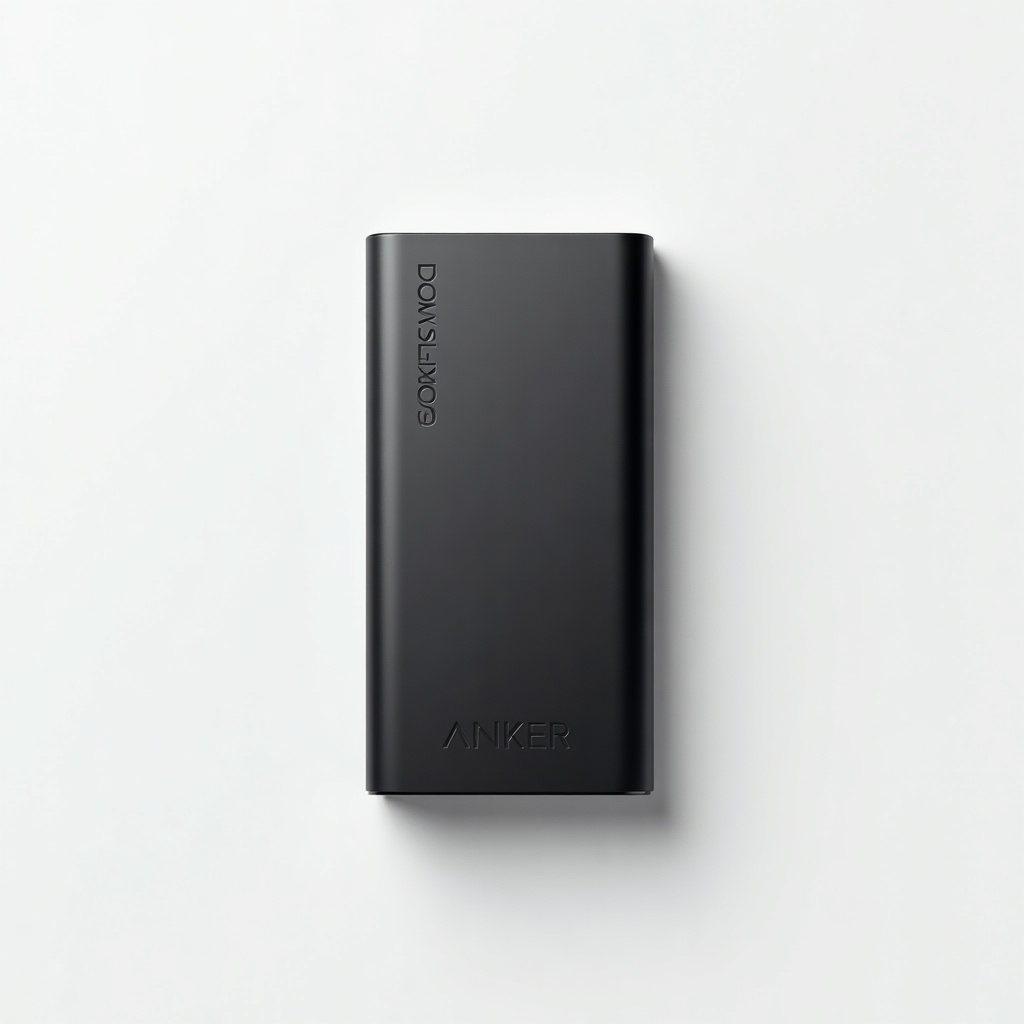
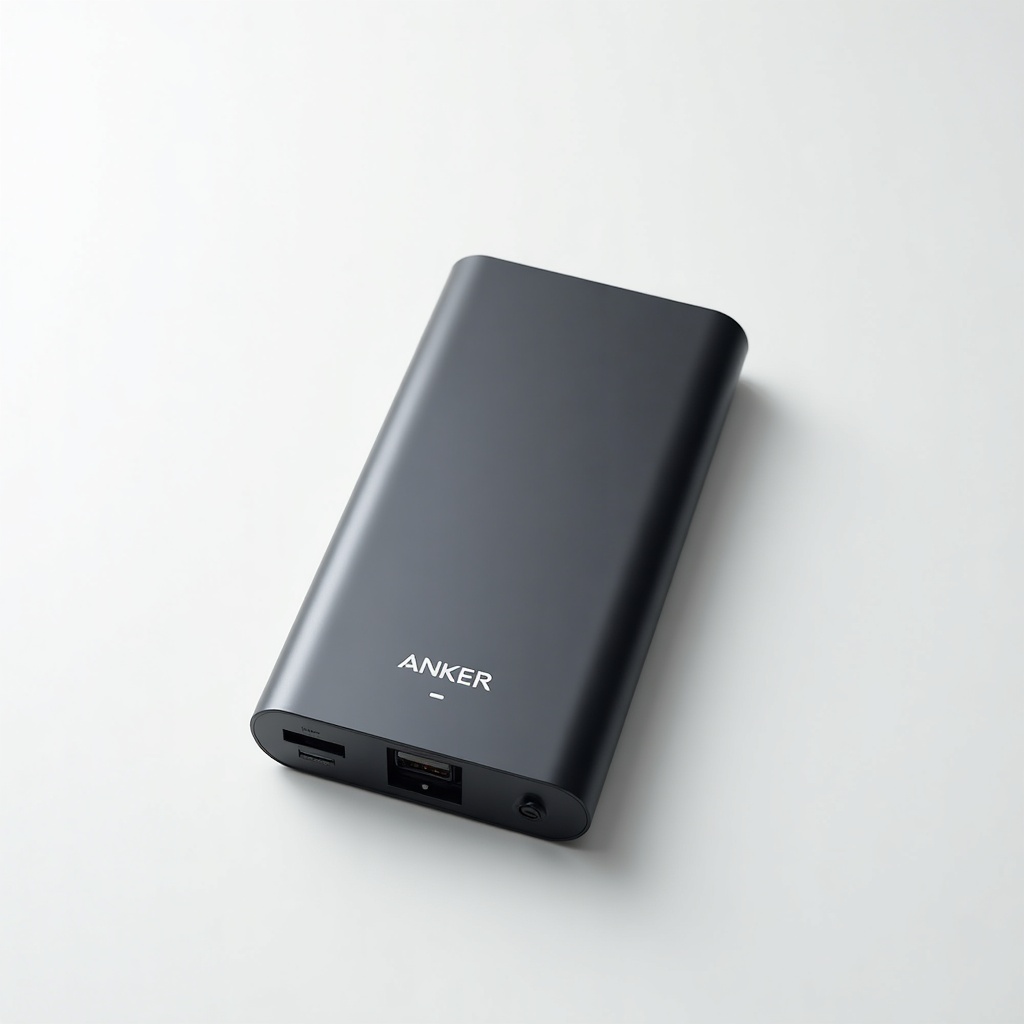
The 313 is Anker's entry-level 10,000mAh power bank, the descendant of the old PowerCore 10000 that has sold by the truckload for years. It's a small black brick with a single USB-A output, a micro-USB or USB-C input depending on the version, and four little LED dots to tell you roughly how much juice is left. That's the whole pitch. No screen, no fast charging headline, no fold-out cables.
Think of it as the no-fuss option in the power bank aisle. It exists to keep a phone alive, costs $20 to $30 on Amazon, and weighs about half a pound. That weight matters more than the spec sheet suggests, because a battery you actually carry beats a bigger one you leave at home.
How it performs day to day
Ten thousand milliamp-hours translates to roughly two full charges for most modern phones, give or take. An iPhone 15 gets close to two refills. A big-battery Android like a Galaxy S24 lands nearer one and a half. Real-world capacity is always lower than the printed number because of conversion loss, so don't expect math-class precision. That's true of every power bank, not just this one.
Output tops out around 12W from the USB-A port. That's a normal charge, not a rapid one. Your phone fills up at about the speed of a standard wall plug, which is fine for an overnight top-up or a slow trickle in your bag. It will not blast a dead phone to 50 percent in fifteen minutes the way a 30W USB-C bank can.
Recharging the 313 itself is the weak spot. With a basic input it can take five to six hours to fill from empty. Owners consistently flag this as the main annoyance. Plug it in before bed and it's ready by morning, but it's not a battery you can splash-and-go in a coffee break.
The good and the genuinely annoying
On the plus side: it's tiny, it's light, it's cheap, and Anker's reputation for not catching fire is worth real money in a category full of sketchy no-name bricks. Build quality feels better than the price. The 18-month warranty is generous for something this affordable.
The downsides are predictable for the price. One output port means one device at a time. Charging speeds are modest in and out. There's no USB-C power delivery on the older units, so check the listing carefully if you've ditched micro-USB cables entirely. And the LED dots give you a vague guess at battery level, not an actual percentage.
Who should buy it, and who shouldn't
Buy the 313 if you want a cheap insurance policy for your phone. Commuters, students, festival-goers, anyone who just needs a few extra hours of battery and hates carrying weight. It slips into a jacket pocket and you forget it's there until you need it. For a single phone, it's plenty.
Skip it if you charge a tablet, run a laptop off USB-C, or need to top up two devices at once. Look at a higher-capacity bank with USB-C Power Delivery instead, like Anker's own 20,000mAh models or the Nano series. Heavy users who want fast charging will outgrow this in a week.
The verdict
The Anker 313 does one job well and asks for almost nothing in return. It's slow to recharge and limited to a single device, but at this price those are easy compromises. For most people who just want their phone to survive a long day, this is the default recommendation. Buy it, toss it in your bag, and stop reading power bank reviews.
Frequently asked questions
- How many times can the Anker 313 charge a phone?
- Roughly two full charges for an average smartphone. Bigger-battery phones like a Galaxy S24 or iPhone Pro Max get closer to one and a half. Actual numbers run lower than the 10,000mAh rating because of normal energy loss during charging.
- Does the Anker 313 support fast charging?
- No, not in the meaningful sense. Output is around 12W, similar to a standard wall charger. If you want USB-C Power Delivery fast charging for a phone or laptop, step up to a pricier Anker model with USB-C PD.
- How long does the Anker 313 take to recharge?
- About five to six hours from empty with a basic input, which is its biggest weakness. Charge it overnight and it's ready by morning. It's not a battery you can quickly top up between uses.
Marcus has spent over a decade testing consumer tech and gadgets. He cares about whether a product earns its price in real life — not on a spec sheet.