Ring Video Doorbell Review

Answer the door from anywhere — see, hear, and talk to visitors right from your phone.
See, hear, and talk to whoever's at your door from anywhere with a phone signal. The Ring Video Doorbell remains the default pick for a reason, even if Amazon would love to nudge you toward the pricier models.
What the Ring Video Doorbell actually does
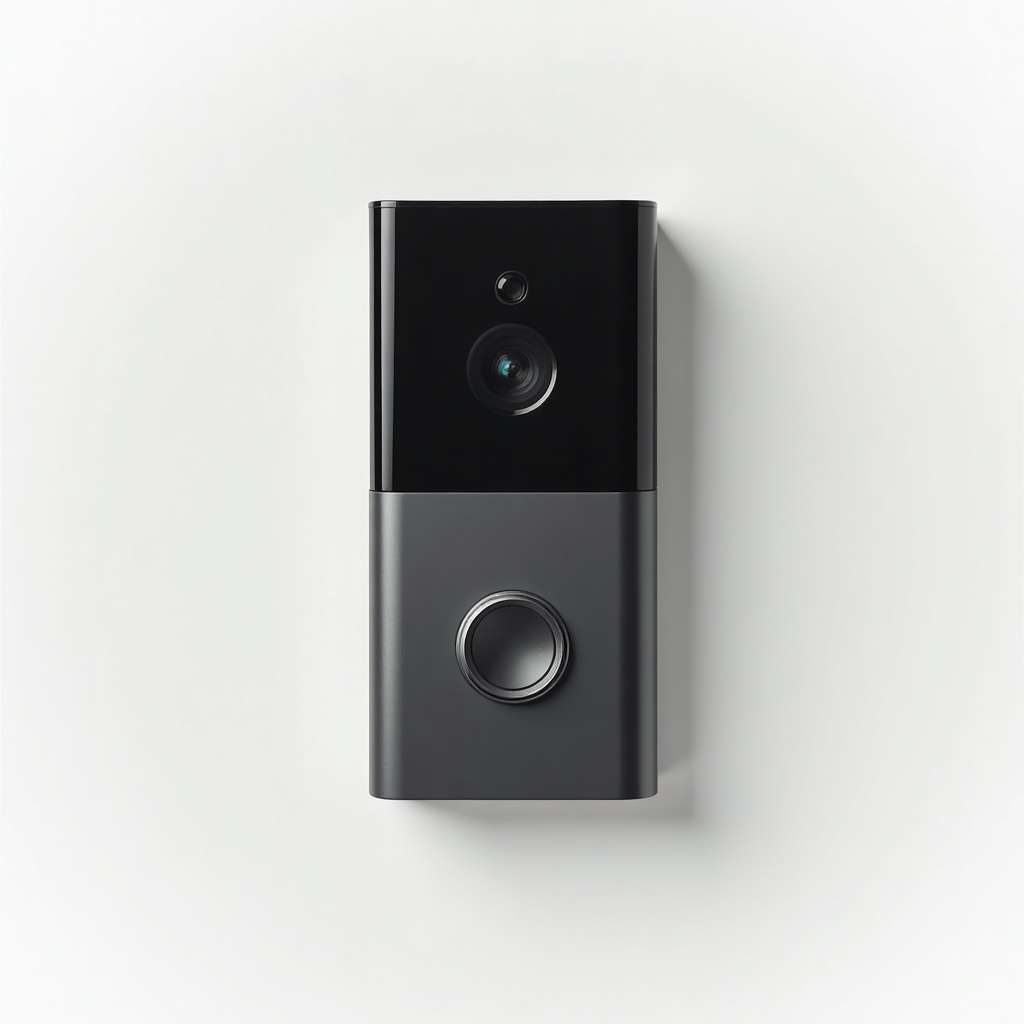
This is the entry-level model in Ring's lineup, usually running $60 to $100 depending on sales. It mounts by your door, watches for motion, and pings your phone when someone shows up. You get live 1080p video, two-way talk, and recorded clips you can scroll back through later.
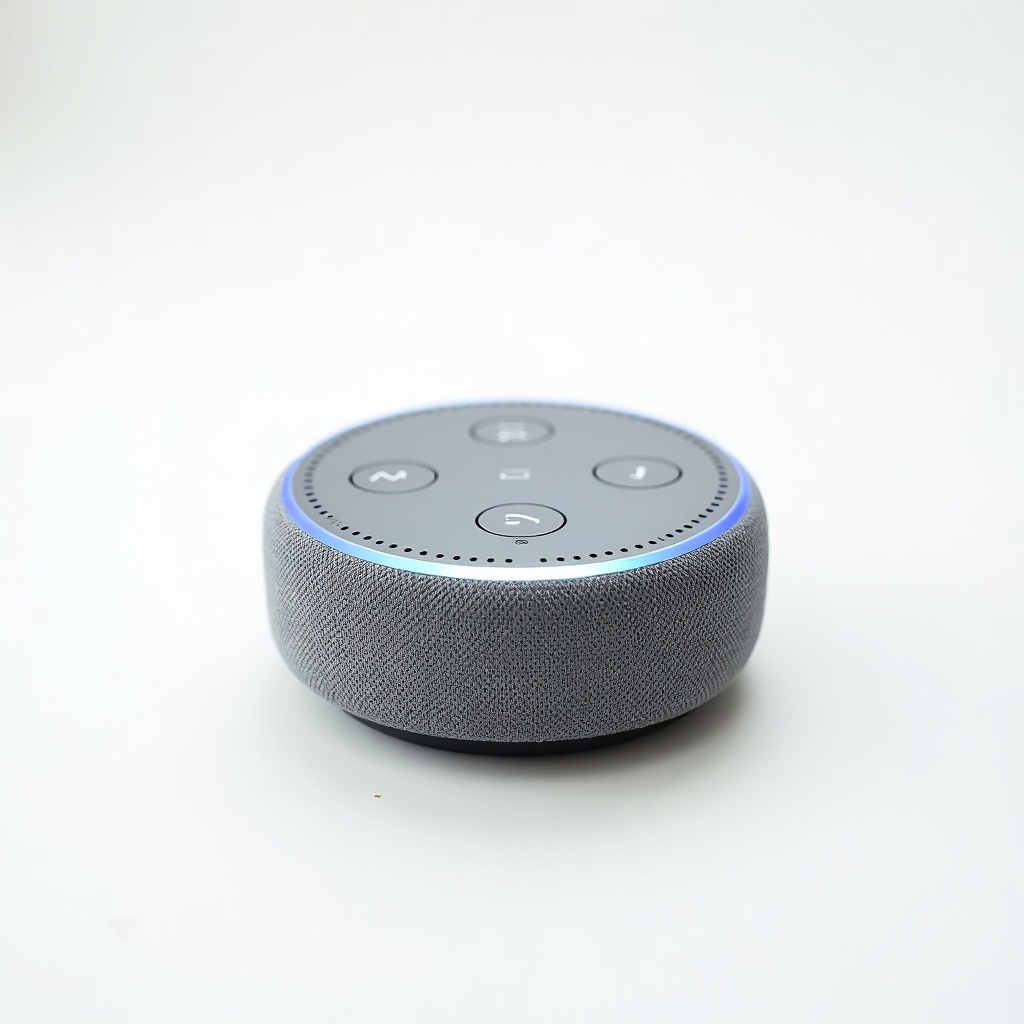
Setup is genuinely easy. The hardware can run on its built-in battery or wire into existing doorbell wiring, which is nice because you're not locked into one approach. Most people get it working in under half an hour, app account included. It pairs with Alexa, so an Echo Show can pop up the doorbell feed automatically.
How it performs day to day
The core job, telling you someone is at the door and letting you talk to them, it does well. Motion alerts are reliable. Video is clear enough in daylight to read a delivery label or recognize a face, and night vision is usable if not stunning.
Two annoyances show up in real use. There's a noticeable lag between someone pressing the button and your phone actually ringing, sometimes long enough that the delivery driver is already walking away by the time you answer. And the motion zones on the base model are blunter than the higher-end Ring units, so you'll get pinged by passing cars and cats more than you'd like until you tune the settings.
Battery life depends heavily on traffic. A quiet porch can go a couple of months between charges. A busy street or a frequently triggered zone can drain it in a few weeks, and recharging means pulling the unit off the wall. Wiring it in solves this entirely if you have the option.
The subscription catch
Here's the part that frustrates people. Without a Ring Protect plan, you get live view and real-time alerts, but you cannot watch recorded clips. So if someone swipes a package while you're at work, there's no footage to review unless you're paying the monthly fee.
The plan is cheap, a few dollars a month for one device, but it's an ongoing cost on top of the hardware. Budget for it. A doorbell camera that can't show you what happened while you were out is half a product, and Amazon knows it.
Who should buy it, and who should skip it
Buy it if you want a no-fuss first smart doorbell, you already live in the Alexa world, and you don't mind a small monthly fee for recordings. For renters and apartment dwellers, the battery option means no wiring and no landlord arguments.
Skip it if you refuse to pay a subscription on principle. Look at Eufy or a Reolink camera with local storage instead, since those record to a base station with no monthly cost. Also skip the base model if you want sharper motion detection, head-to-toe video, or the pre-roll feature, which means stepping up to the Ring Battery Doorbell Plus or Pro.
The verdict
The Ring Video Doorbell is the safe, sensible default. It's easy to install, it works, and it's backed by a huge ecosystem. The lag and the subscription requirement keep it from being a slam dunk, but for the money it's hard to beat as a starter doorbell. Just go in knowing the monthly fee is part of the deal, not an optional extra.
Frequently asked questions
- Does the Ring Video Doorbell require a subscription?
- No, but you get very little without one. Live view, motion alerts, and two-way talk work for free. To save and replay recorded video clips, you need a Ring Protect plan, which costs a few dollars a month.
- Can the Ring Video Doorbell run on battery or does it need wiring?
- Both. It has a built-in rechargeable battery, so wiring is optional, which makes it friendly for renters. If you have existing doorbell wires, hooking it up keeps it charged continuously so you never have to take it down to recharge.
- Is the Ring Video Doorbell good for catching package thieves?
- Yes, as long as you have a Ring Protect subscription so clips actually get saved. The 1080p video is clear enough to identify people and read labels in daylight. Without the subscription you can't review footage after the fact, which defeats the purpose.
Aaron digs into offers, cards, and software so you don't have to read the fine print. He flags the genuinely good deals and the traps.