Aqara Water Leak Sensor Review

Catches a leaking water heater or sink before it floods your floors and your budget.
A water heater can dump 40 gallons onto your basement floor while you're at work. The Aqara Water Leak Sensor screams about it the second the first drop hits, and it costs about as much as a pizza.
What the Aqara Water Leak Sensor actually is
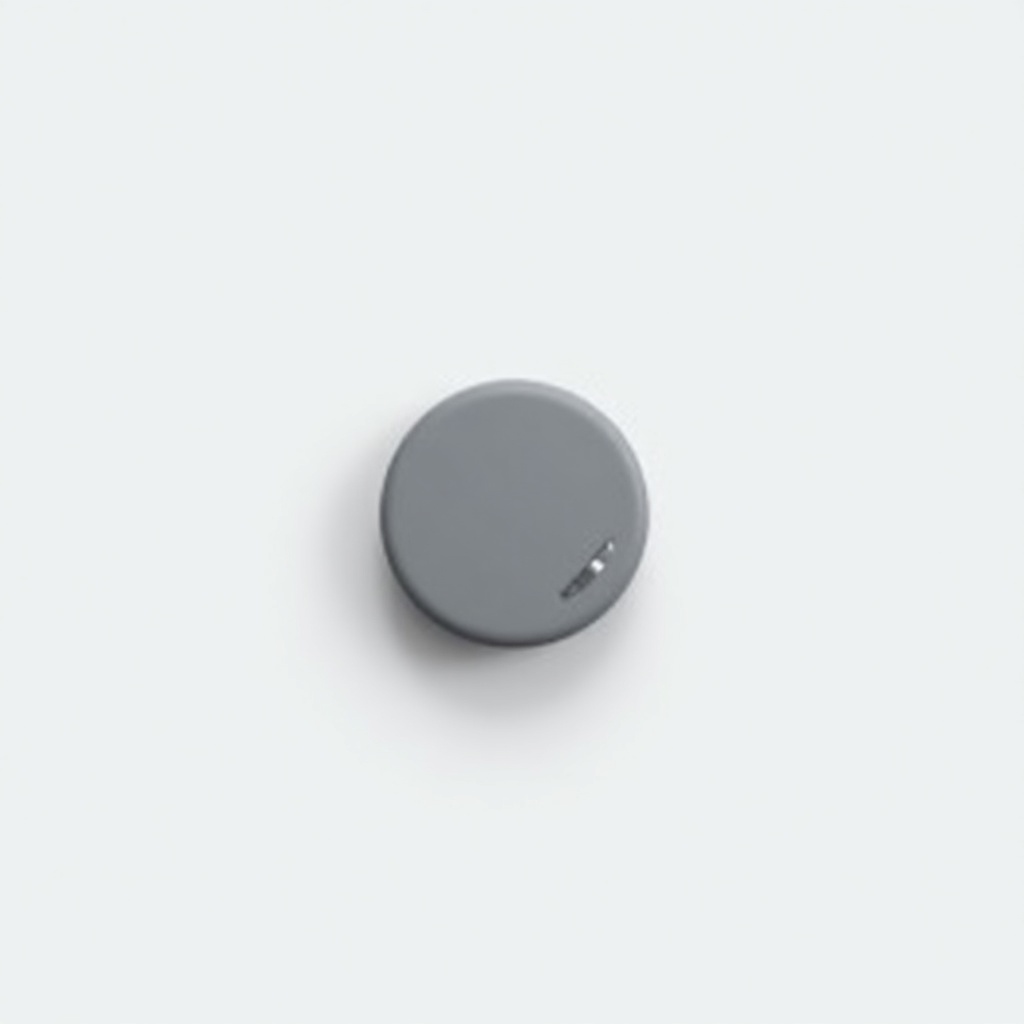
It's a small, flat puck, roughly the size of a hockey puck cut in half, that you set on the floor wherever water shouldn't be. Under your water heater. Behind the toilet. Under the sink where the supply line slowly weeps for years before anyone notices. The two little contacts on the bottom complete a circuit the moment they get wet, and the sensor fires off an alert.
Here's the catch that trips up first-time buyers: this is a Zigbee device, not a Wi-Fi gadget. It needs an Aqara hub to do anything useful. No hub, no phone notifications. If you already run an Aqara setup, adding these is trivial and cheap. If you don't, factor in the cost of a hub before you get excited about the $18 to $25 price tag.
How it performs day to day
Detection is the easy part, and Aqara nails it. The thing reacts to water fast and reliably. Owners consistently report the alert landing within a second or two of the pads getting wet. The onboard buzzer is loud enough to hear from a nearby room, which matters because a push notification is useless if your phone is on silent in another part of the house.
Battery life is the quiet selling point. One CR2032 coin cell runs for something like two years, and the sensor sits there sipping power and doing nothing until the day it earns its keep. The IP67 rating means you can drop it somewhere genuinely damp without worrying it'll cook itself. Where the system gets clever is automations. Pair it with an Aqara smart plug or a smart shutoff valve and a detected leak can physically cut power or water, not just ping your phone.
The good and the annoying
The wins are obvious. It's dirt cheap, so blanketing a house with five or six of them costs less than one fancy Wi-Fi leak detector from a brand like Moen. Detection is quick, the battery lasts forever, and Aqara's app and HomeKit support are solid. For homes already on the Aqara ecosystem, it's close to a no-brainer.
The friction is real, though. The hub requirement is the big one. The audible alarm, while loud enough, isn't as piercing as some dedicated alarms, so don't rely on it alone in a far-off basement. And Zigbee range can get finicky in larger homes with thick walls, meaning you may need a repeating Zigbee device between the hub and a distant sensor. People wanting a standalone, no-hub, Wi-Fi unit should look at Govee or YoLink instead.
Who should buy it, who should skip it
Buy it if you already own an Aqara or HomeKit-friendly hub and you want cheap, reliable coverage in multiple spots. It's perfect for people who think in systems and want a leak to trigger an automatic water shutoff. At this price you can protect every risky spot in the house for under the cost of one professional plumbing visit, never mind a flooded floor.
Skip it if you want a single sensor that works straight out of the box with no hub and no setup. Renters who don't want to invest in an ecosystem, or anyone allergic to fiddling with Zigbee pairing, will be happier with a self-contained Wi-Fi alternative. The Aqara only makes sense as part of a bigger plan.
The verdict
As a piece of cheap insurance, the Aqara Water Leak Sensor is hard to argue with. It's fast, it's reliable, the battery practically never dies, and it's cheap enough to scatter around without thinking twice. The only thing standing between you and that value is the hub requirement. If you've cleared that hurdle already, buy a few and stop worrying about your water heater.
Frequently asked questions
- Does the Aqara Water Leak Sensor need a hub?
- Yes. It uses Zigbee, not Wi-Fi, so it requires an Aqara hub to send alerts and connect to apps like HomeKit. Without a hub it can't notify your phone, so budget for one if you don't already own a compatible Aqara hub.
- How long does the battery last?
- It runs on a single CR2032 coin cell and typically lasts around two years. The sensor draws almost no power until it actually detects water, and the app warns you when the battery runs low.
- Can it automatically shut off the water when it detects a leak?
- Not by itself, but it can trigger one. Paired through the Aqara app with a compatible smart valve or smart plug, a detected leak can automatically cut water or power. The sensor handles detection; you supply the shutoff hardware.
Daniel covers home, kitchen, and everyday-carry gear. He's a stickler for durability and value, and has no patience for overpriced hype.