Amazon Echo Dot Review

Drop a voice assistant in any room for less than dinner out.
For the price of a couple of fancy coffees, you get a voice assistant that controls your lights, sets your timers, and fills a room with music. The Echo Dot remains the easiest way to add Alexa to any room.
What the Echo Dot actually is
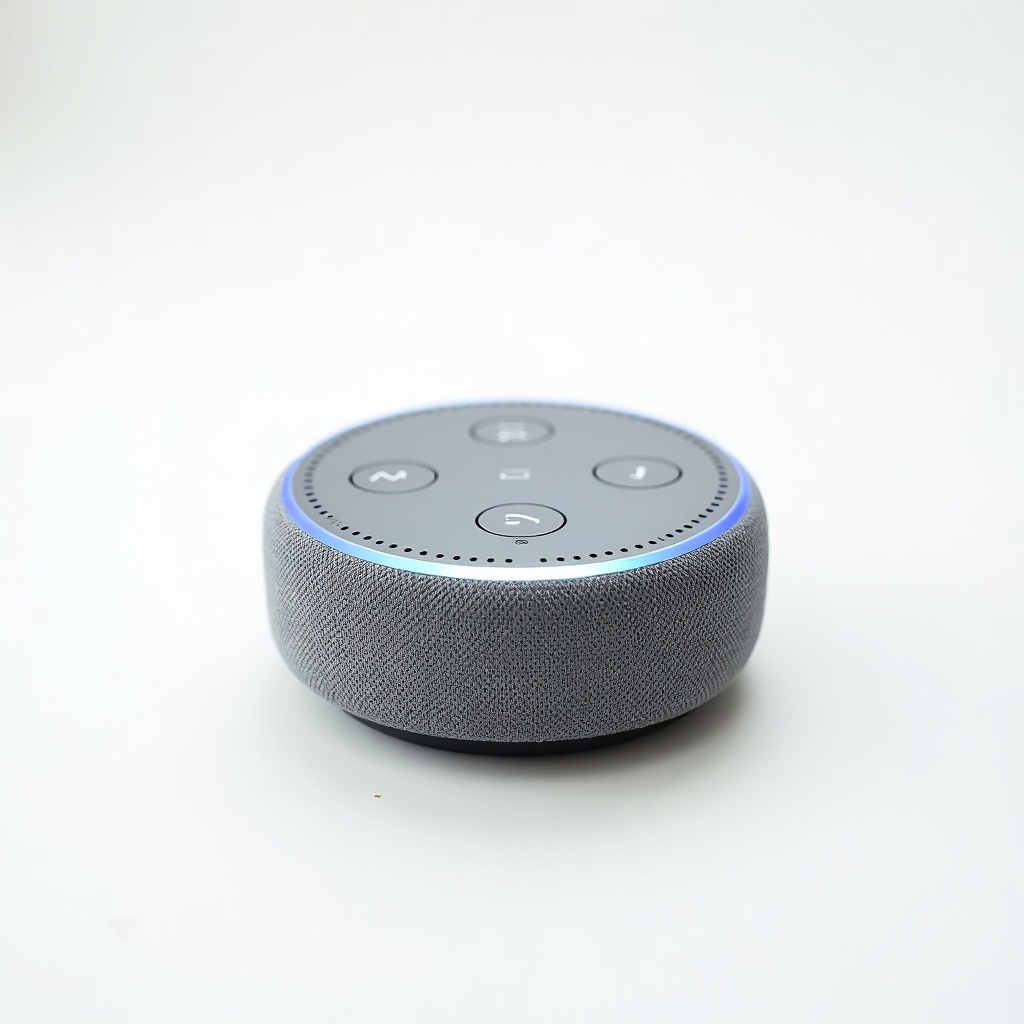
The Echo Dot is Amazon's small, puck-shaped smart speaker. It runs Alexa, plays music, answers questions, sets timers, and acts as a hub for controlling smart lights, plugs, and thermostats. The current spherical design is a far cry from the hockey-puck originals, and it looks fine sitting on a nightstand or kitchen counter.
It usually runs somewhere in the $30 to $50 range, and Amazon discounts it hard during Prime Day and Black Friday, often down near $20. At that price it's less an electronics purchase and more an impulse buy. That's exactly the point.
How it performs day to day
For the everyday stuff, it just works. Setting timers while your hands are covered in flour, checking the weather before you leave, asking how many tablespoons are in a cup, playing a podcast in the shower. Alexa nails these basics quickly and reliably, and the far-field mics pick up your voice from across a normal-sized room even with music playing.
Sound quality is the honest weak spot. The single front-firing speaker is louder and fuller than you'd expect from something this small, and the bass got a real bump on recent models. But it's still a small speaker. Fine for a bedroom, bathroom, or office. For a living room or anything resembling a party, you'll want the larger Echo or a pair of Dots stereo-paired.
Smart home control is where it earns its keep. If you've bought a few smart bulbs or plugs, telling a room to go dark without finding your phone is the kind of small convenience you stop noticing because it becomes automatic. Routines let you chain commands, so one phrase can turn off lights, lock up, and set an alarm.
The catch nobody mentions in the ad
Alexa is a salesperson living in your house. Ask for a timer and you may get an unprompted suggestion about a deal or a new feature. You can dial a lot of this back in the settings, but the nudges are baked into the experience.
There's also the privacy question. A device with always-listening mics in your bedroom isn't for everyone. Amazon gives you a physical mic-mute button and lets you delete recordings, and we'd recommend actually using those controls. If the idea bothers you on principle, no spec sheet will fix that, and you should skip it.
Who should buy it, and who shouldn't
Buy it if you want a cheap, low-stakes entry into smart home stuff, or a capable second speaker for a bedroom or kitchen. It's also a genuinely good gift and a solid pick for an older relative who'd rather talk than tap a screen.
Skip it if you care most about music fidelity, in which case spend more on a real speaker. Skip it too if you're already deep in Apple's world and use Siri and HomeKit everywhere, or if you'd rather not have Amazon's microphone in the room. For everyone else, it's the default recommendation and has been for years.
The verdict
The Echo Dot is the best cheap way to get a voice assistant into a room, full stop. The sound is good-enough rather than great, and Alexa's promotional streak is mildly annoying. Neither breaks the deal at this price.
Wait for a sale, grab one or two, and put them where you'll actually use voice commands. That's the move.
Frequently asked questions
- Does the Echo Dot need a subscription to work?
- No. The core features, Alexa, timers, weather, smart home control, and free music from Amazon and Spotify's ad-supported tiers, all work without paying anything extra. Subscriptions like Amazon Music Unlimited are optional add-ons.
- Is the Echo Dot good enough for music?
- For casual listening in a bedroom, kitchen, or office, yes. It's loud and clear for its size with decent bass. For a large living room or party-level sound, step up to the full-size Echo or stereo-pair two Dots together.
- What's the difference between the Echo Dot and the regular Echo?
- The standard Echo is bigger, louder, and has fuller bass, making it better for a main living space. The Dot is smaller and cheaper, ideal as a starter device or a secondary speaker in another room. Both run the same Alexa with the same features.
Aaron digs into offers, cards, and software so you don't have to read the fine print. He flags the genuinely good deals and the traps.