Aqara Presence Sensor FP2 Review

mmWave radar that knows you're in the room even when you're sitting perfectly still.
The FP2 keeps your lights on while you read in a still chair, which is more than most motion sensors can say. It's the closest thing the smart home has to a sensor that genuinely knows when a room is occupied.
What the Aqara FP2 actually is
The FP2 is a presence sensor that uses 60GHz mmWave radar instead of the cheap PIR motion detection in nearly every other sensor you've owned. PIR watches for heat moving across its field of view. The moment you sit still, it assumes the room is empty and kills your lights. The FP2 doesn't care if you move. It detects that a body is physically there, breathing, sitting, scrolling a phone.
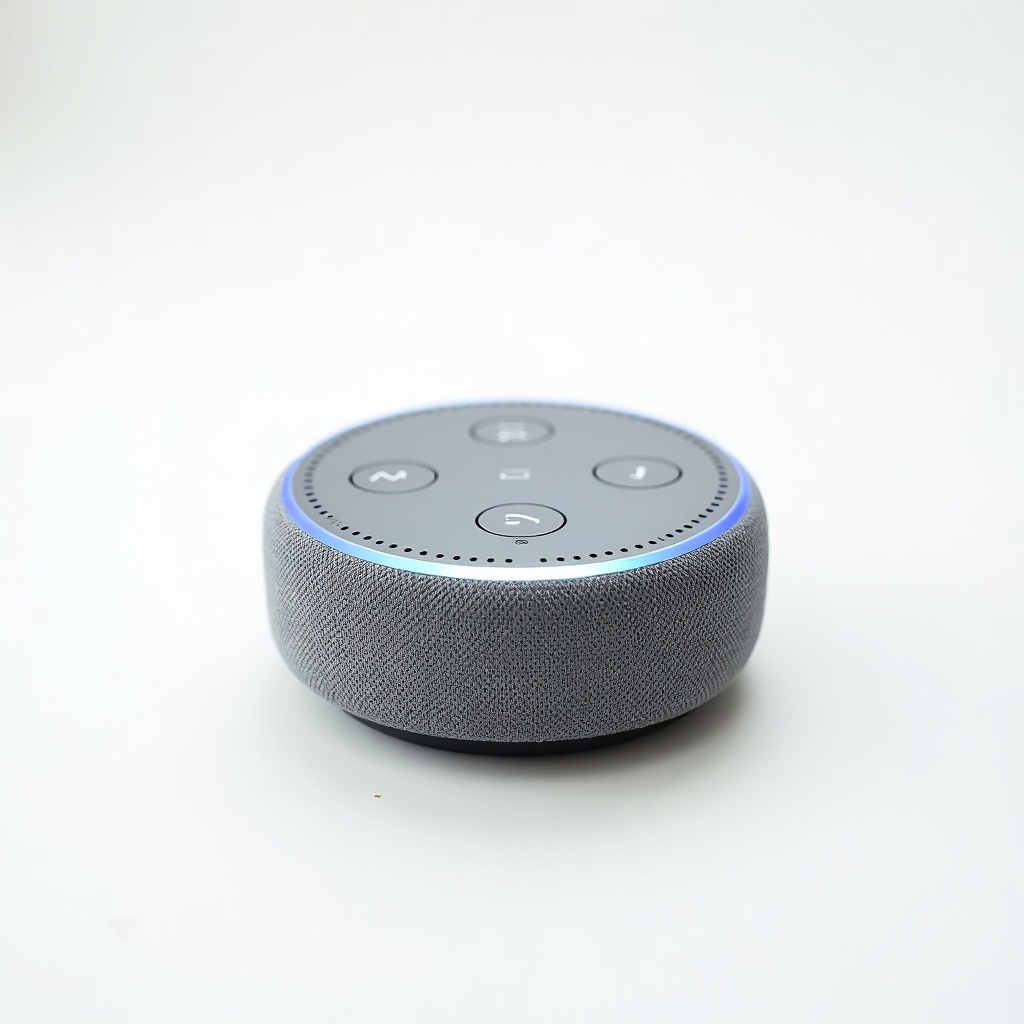
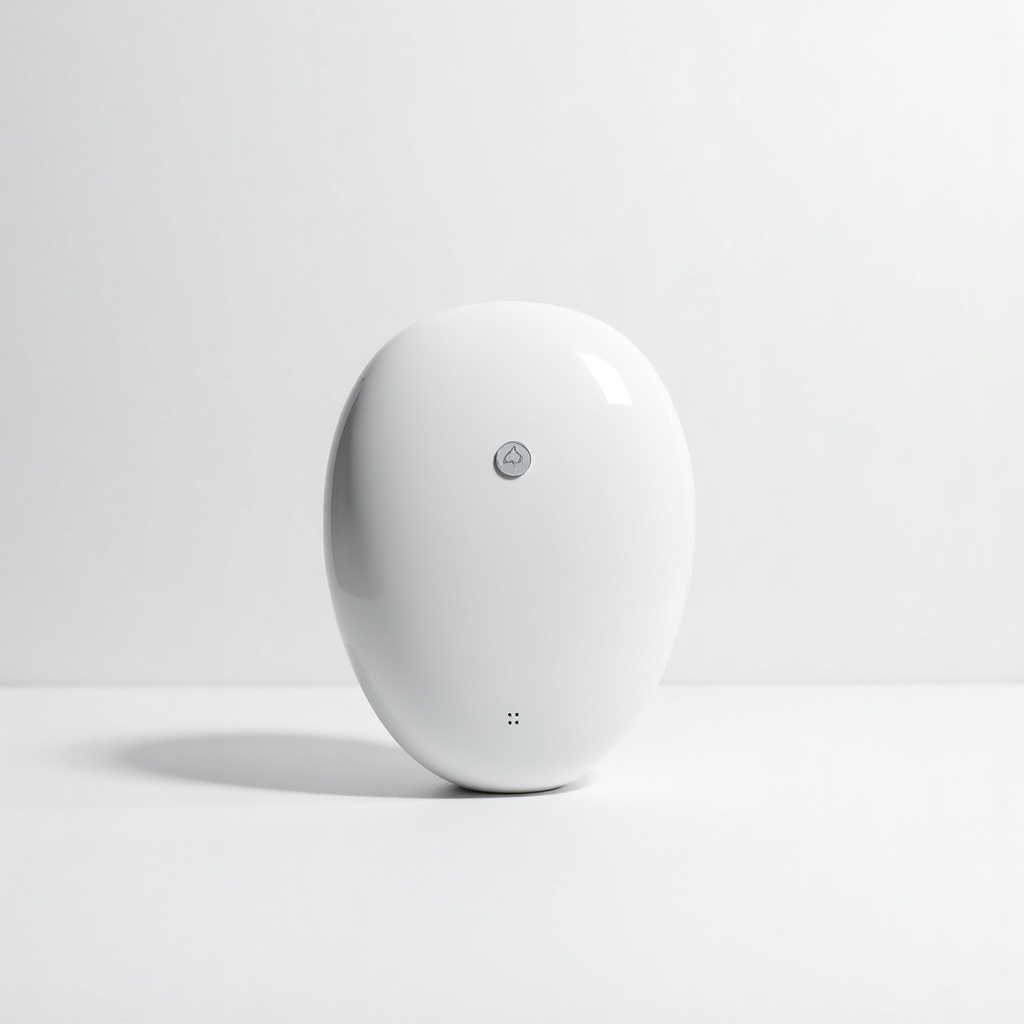
It's a small white puck on a magnetic stand, USB-C powered, so no battery swaps. It runs over your 2.4GHz Wi-Fi and works with Apple Home, Google Home, Alexa, and Aqara's own app. The headline trick beyond simple presence is multi-zone detection. You can draw virtual zones in a single room and trigger different automations depending on where someone is standing.
How it performs day to day
This is the sensor people buy after a PIR sensor has annoyed them one too many times. In a home office, on the toilet, on a couch during a movie, the FP2 keeps lights on when older sensors plunge you into darkness. That single behavior is why it has the reputation it does. For occupancy-based lighting and HVAC automations, it's the most reliable option a normal person can buy.
Zone detection is the showpiece and the headache. When you get the boundaries dialed in, you can light only the kitchen counter when someone's at the sink, or trigger a desk lamp only at the desk. Setting those zones up takes patience. You walk around the room mapping coordinates in the app, and the calibration is fiddlier than Aqara's marketing suggests. Most owners get there, but budget an evening, not five minutes.
A couple of real limits. The radar can get confused by large pets, ceiling fans, or strong airflow that mimics a moving body, which causes occasional false presence. And it's Wi-Fi only, no Thread or hub option, so every FP2 is another device camping on your network.
The good and the annoying
Pros: genuinely accurate still-presence detection, multi-zone mapping in one room, broad platform support including HomeKit, USB-C power, and a price that undercuts pricier commercial presence sensors. Light-level sensing is also built in, so you can hold off triggering lights until a room is actually dark.
Cons: setup and zone tuning have a learning curve, the 2.4GHz Wi-Fi requirement trips up people on combined-band networks, false triggers from fans and pets happen, and you'll want it mounted thoughtfully since position affects accuracy. The app is functional rather than elegant.
Who should buy it, and who shouldn't
Buy the FP2 if you're already deep into home automation and the dumb behavior of PIR sensors drives you up the wall. It's perfect for offices, bathrooms, reading nooks, and any room where people sit motionless. If you run HomeKit and want presence-based lighting that doesn't betray you, this is the pick.
Skip it if you just want a cheap motion trigger for a hallway or closet. A $15 PIR sensor does that fine and runs on batteries for a year. Also skip it if you avoid adding Wi-Fi devices or you're not willing to spend time on zone calibration. The FP2 rewards tinkerers and frustrates people who want plug-and-forget.
The verdict
The Aqara FP2 is the best mainstream presence sensor for the money, full stop. It solves the one problem that makes smart lighting feel broken, and at roughly $70 to $90 it's far cheaper than the industrial alternatives. Just go in knowing the setup demands patience and the Wi-Fi-only design isn't ideal. For the right person, it's the upgrade that finally makes occupancy automations trustworthy.
Frequently asked questions
- Does the Aqara FP2 work with Apple HomeKit?
- Yes. The FP2 supports Apple Home, Google Home, and Alexa, plus Aqara's own app. HomeKit users get presence and light-level data, though advanced multi-zone automations are easiest to configure inside the Aqara app first.
- Does the FP2 need a hub?
- No hub required. It connects directly over 2.4GHz Wi-Fi and is powered by USB-C. The downside is it adds another device to your Wi-Fi network, and it won't connect to 5GHz, so check your router setup before installing.
- Will the FP2 detect me when I'm sitting completely still?
- That's the whole point. Unlike PIR motion sensors that lose you when you stop moving, the FP2's mmWave radar detects a stationary body, so it keeps lights and automations active while you read, work, or watch TV.
Daniel covers home, kitchen, and everyday-carry gear. He's a stickler for durability and value, and has no patience for overpriced hype.