Aqara Door and Window Sensor P2 Review

Tiny Thread sensor that tells you the instant a door or window opens — and works with everything.
Get a phone alert the second a door or window opens, with a sensor small enough to forget it's there. The P2 finally drops Zigbee for Thread, and that one change makes it a much easier recommendation.
What the Aqara P2 actually is
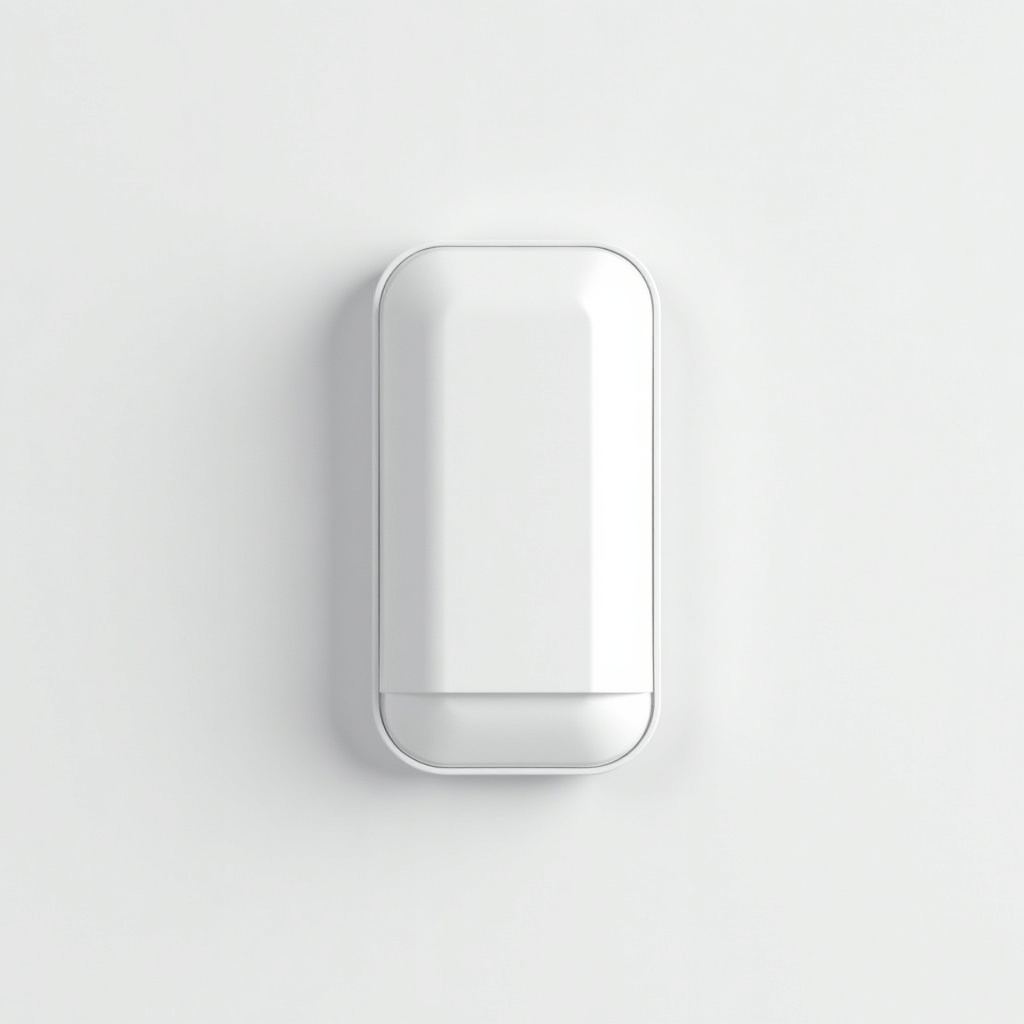
It's a two-part contact sensor. One piece sticks to your door or window frame, the other to the part that moves, and when they separate the sensor fires off an alert. Open, closed. That's the whole job, and the P2 does it fast.
The headline upgrade over the older Zigbee Aqara sensors is Thread. The P2 speaks Thread and works with Matter, which means it plugs into Apple Home, Google Home, Amazon Alexa, and SmartThings without you caring which ecosystem the company picked this week. You will need a Thread border router to use it, though. An Apple TV 4K, a HomePod mini, or a recent Echo or Nest hub all qualify. No router, no party.
How it performs day to day
Speed is where the P2 earns its keep. Owners consistently report near-instant triggers, fast enough that you can build automations that feel like cause and effect rather than a delayed guess. Open the front door and have the hallway light snap on. Get pinged the moment a window opens while you're at work. Trip a siren if something moves at 2 a.m. The classic uses, but reliable.
Because it runs on Thread, it joins a mesh and tends to stay connected better than the older Zigbee units that occasionally needed a kick. It's also tiny. The contact piece is small enough to disappear on most frames, and the magnet has decent range, so you don't have to align the two halves with surgeon-level precision. The included adhesive holds, and there's a magnet detection feature if you want it on a metal door.
Battery life runs on a standard CR1632 coin cell, and Aqara quotes a couple of years. That's the kind of sensor you install and ignore until the low-battery alert shows up. Setup through the Aqara Home app is straightforward, and once it's in Matter you can move the management into whatever ecosystem you actually live in.
The catches
The Thread requirement is the big asterisk. If you don't already own a Thread border router, factor that into the cost and effort, because a $25 sensor that needs a $130 hub is no longer a $25 sensor. Check what you've got before you buy.
Aqara's app remains functional rather than charming, and some advanced features still want you in the Aqara ecosystem rather than purely in Matter. The sensor also doesn't measure tilt or angle, so it's contact-only. And like any adhesive-mounted gadget, mounting on textured or dusty surfaces is asking for a drop. Clean the spot first.
Who should buy it, who should skip it
Buy it if you already have a Thread setup and want cheap, fast, reliable contact sensors that play nice across platforms. It's a great pick for Apple Home users in particular, since HomeKit users have been starved for good affordable sensors. Stock up on a few; at this price you can sensor every window without crying.
Skip it if you have zero Thread infrastructure and no plans to add it. In that case the older Zigbee Aqara sensors plus an Aqara hub may be cheaper overall, or a self-contained Wi-Fi sensor will save you the hub math entirely. Renters who can't leave residue should also test the adhesive somewhere forgiving.
The verdict
The P2 is the contact sensor most smart-home people should default to in 2025, assuming they're already on Thread. It's small, quick, cross-platform, and cheap enough to buy in bulk. The only real friction is the border router requirement, and if you've got that covered, this is an easy yes.
Frequently asked questions
- Does the Aqara P2 need a hub?
- It doesn't need an Aqara hub, but it does need a Thread border router. An Apple TV 4K, HomePod mini, or a recent Echo or Nest hub will do the job. Without one, the P2 can't connect.
- Does the Aqara P2 work with Apple Home and Matter?
- Yes. It supports Thread and Matter, so it works with Apple Home, Google Home, Amazon Alexa, and SmartThings. Apple Home users get a fast, affordable contact sensor that's long been hard to find.
- How long does the battery last?
- It uses a standard CR1632 coin cell, and Aqara rates it for roughly two years of normal use. You'll get a low-battery alert before it dies, so it's a true set-and-forget device.
Daniel covers home, kitchen, and everyday-carry gear. He's a stickler for durability and value, and has no patience for overpriced hype.