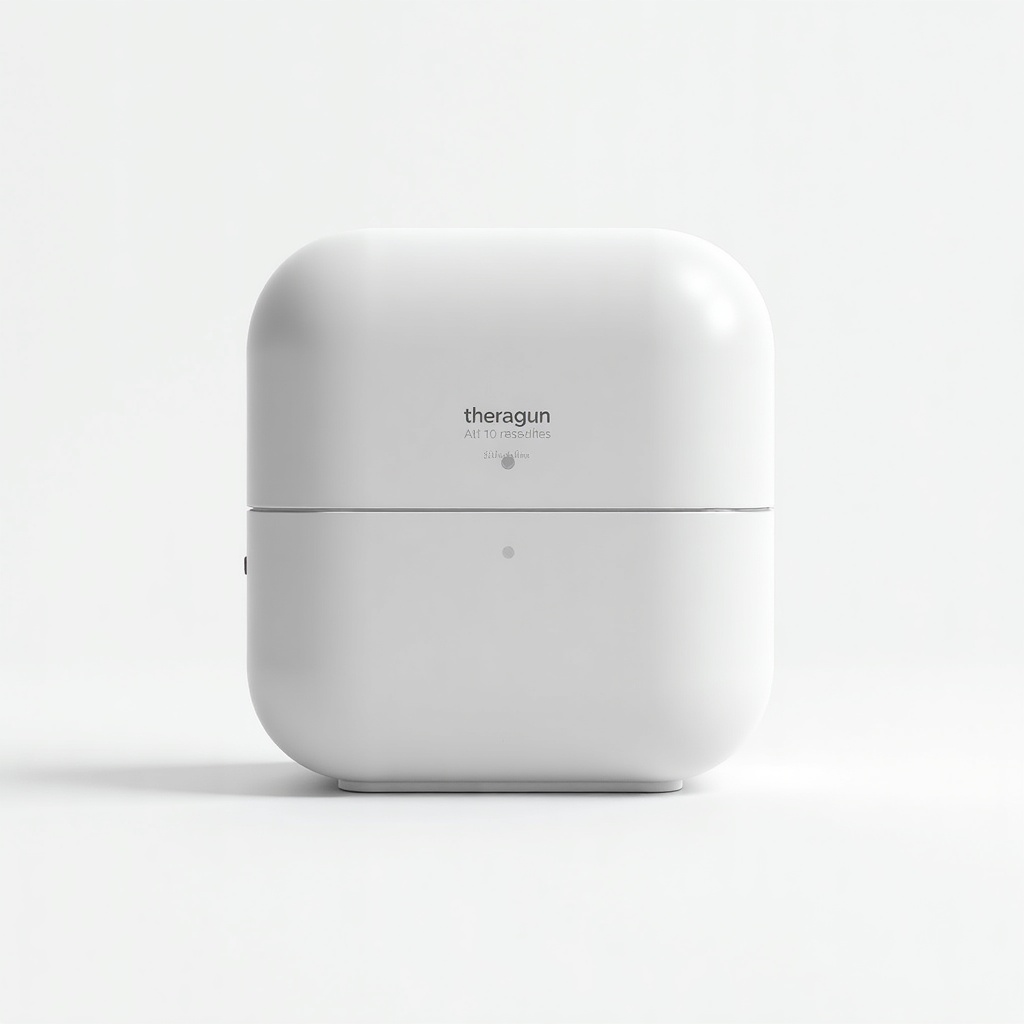
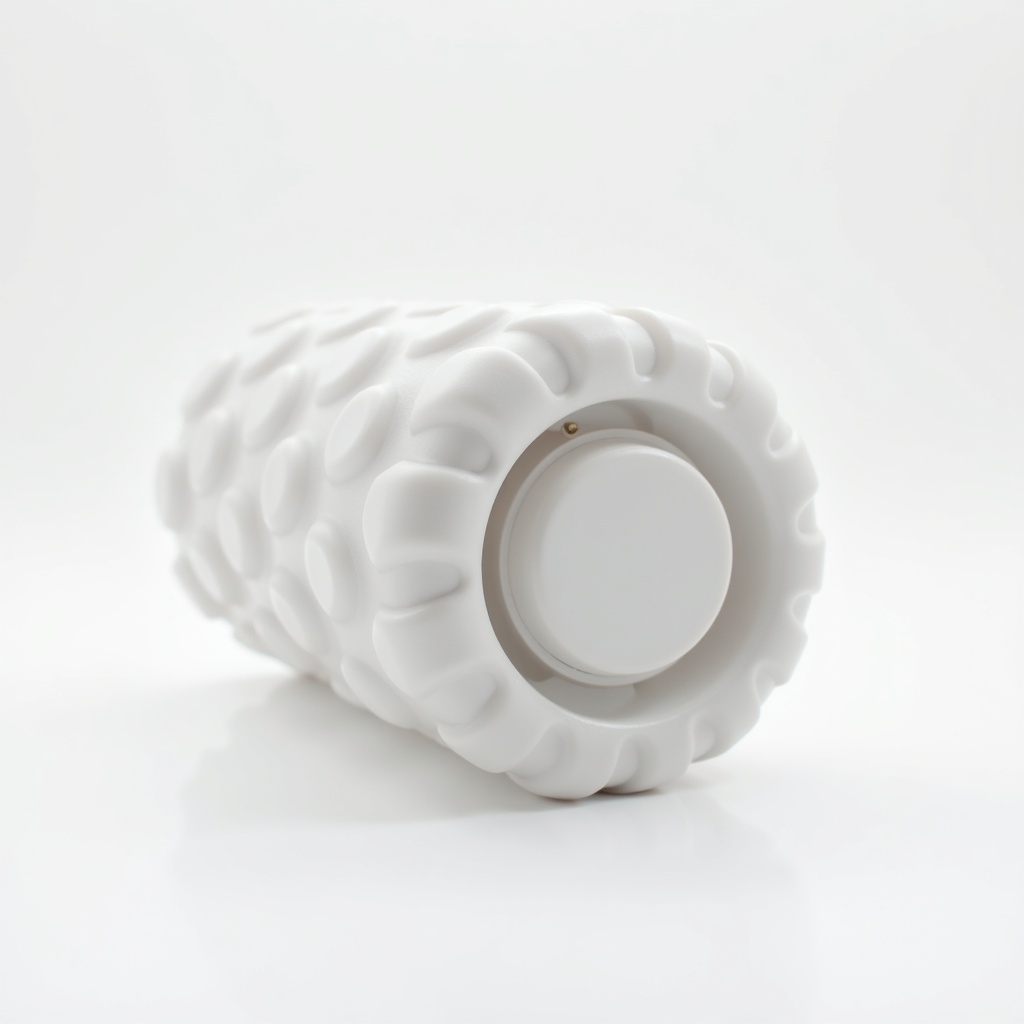
Theragun Wave Roller (Vibrating Foam Roller) Review

Five-speed vibration that digs into tight quads and backs deeper than any plain foam roller.
A foam roller that buzzes at five speeds and actually gets into the knots a plain roller skims over. The question is whether the upgrade is worth triple the price of a $40 lump of foam.
What the Theragun Wave Roller actually is
It's a foam roller with a motor inside. Five vibration intensities, a textured outer wave pattern, Bluetooth pairing with the Therabody app, and roughly two hours of battery on a charge. The wave grooves aren't just for looks. They grip muscle and spread the pressure across ridges instead of a flat tube, which is the difference between rolling out a tight quad and just leaning on it.
Price lands somewhere in the $120 to $150 range on Amazon. That's a lot for foam. What you're paying for is the vibration, which loosens tissue faster and makes the whole process less of an exercise in gritting your teeth.
How it performs day to day
The vibration is the headline, and owners back it up. On quads, IT bands, and the upper back, the buzz seems to distract the nervous system enough that you tolerate deeper pressure. You get into tight spots faster than you would on a static roller. Calves and glutes respond well too.
Build quality is solid. It feels dense, the outer foam holds up, and the motor is quieter than a percussion gun though not silent. The Bluetooth app exists. Most people will set a speed and never open it again, which is fine. The five settings matter more than the connectivity, and the jump from low to high is genuinely noticeable, not marketing theater.
The downsides worth knowing
It's heavy and bulky compared to a regular roller, so it's not a great travel companion. At over five pounds with the motor, it lives in your home gym, not your carry-on. Battery life is fine but not endless, and you'll want to charge it before a long session.
The bigger issue is the price-to-need ratio. A standard high-density foam roller costs around $30 and does 80 percent of the same job if you're patient. The Wave Roller earns its keep for people who roll often and hate it, or who recover slowly. Casual stretchers are paying a premium for a feature they'll use twice a month.
Who it's for and who should skip it
Buy it if you train hard, foam roll regularly, and the vibration is what gets you to actually do it. Runners, lifters, and anyone managing chronically tight quads or backs will get real value. It's also a smart pick if you find static rolling too painful to stick with.
Skip it if you roll out occasionally or you're on a budget. Get a $30 roller and a $15 lacrosse ball and you've covered most of your needs. Also skip it if portability matters. There are smaller vibrating options if travel is the priority.
The verdict
The Theragun Wave Roller is a good product with a steep price tag. It does what it claims, the vibration is the real deal, and it's built to last. The only honest catch is that a much cheaper roller gets you most of the way there.
For consistent, serious recovery work, it's worth it. For everyone else, it's a nice-to-have you can live without. Recommended, with eyes open about what you're paying for.
Frequently asked questions
- Is the Theragun Wave Roller worth it over a regular foam roller?
- If you roll out frequently and want deeper, faster relief, yes. The vibration helps tight muscles release quicker and makes the process more bearable. If you only roll occasionally, a $30 standard roller does most of the job for far less money.
- How long does the Theragun Wave Roller battery last?
- Around two hours of use per charge, which covers many sessions. Charge it before long recovery days so the vibration doesn't fade mid-session.
- Do you need the app to use it?
- No. The five vibration speeds work straight from the device buttons. The Therabody app adds guided routines and adjustment, but most owners ignore it after setup.
Marcus has spent over a decade testing consumer tech and gadgets. He cares about whether a product earns its price in real life — not on a spec sheet.