Resistance Bands Set Review

A whole home gym that zips into a bag — for the cost of a few lattes.
For the price of a couple of takeout dinners, a good resistance bands set gives you a full-body workout that fits in a desk drawer. The catch is that not all of them are built to survive past month two.
What you're actually buying
A typical Resistance Bands Set in this category runs about $20 to $40 on Amazon and includes five stackable tube bands, a door anchor, two handles, two ankle straps, and a carry bag. Stack the bands and most kits claim 100 to 150 pounds of combined resistance. That's enough to make rows, presses, curls, and overhead work genuinely hard, not just a warm-up.
The pitch is simple. You get a scaled-down home gym that weighs about a pound and zips into a bag smaller than a lunchbox. No 50-pound dumbbell set, no rack, no apartment-rattling drops. For people who travel, live in tight spaces, or just refuse to drive to a gym, that trade is worth taking seriously.
How it performs day to day
Resistance from bands feels different than iron. The tension increases as you stretch the band, so the hardest point of any rep is at the top. That's great for things like rows, face pulls, and triceps work, and slightly awkward for movements where you want max load at the bottom, like a deep squat. You adapt fast.
The door anchor is the part that unlocks the whole kit. Wedge it above a closed door and you suddenly have a cable machine for lat pulldowns, chest presses, and woodchoppers. Owners consistently report it works fine on a solid door. A flimsy hollow-core door is a different story, so check yours first.
Stacking bands to hit a target resistance works, but it gets fiddly. Clipping three tubes onto one handle is fine. Clipping all five turns into a small knot of carabiners you'll spend ten seconds untangling between sets. Minor gripe, but a real one.
The good and the genuinely annoying
On the plus side: portability is the whole point and it delivers. These sets travel, store anywhere, and cost less than a single month at most gyms. The variety of exercises is wide once you've got the anchor and straps. For rehab, mobility, and general strength maintenance, they punch well above their weight.
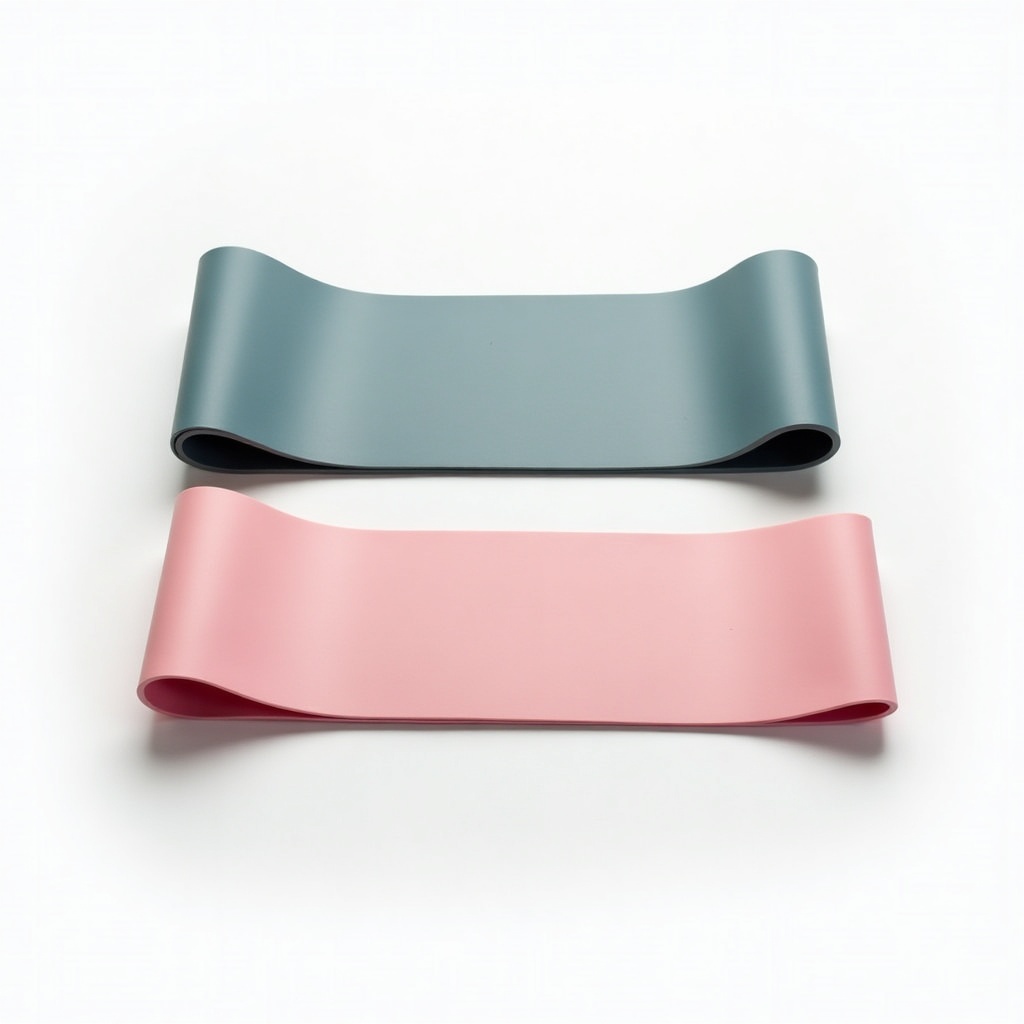
The downside is durability, and it's the thing to watch. The most common complaint across cheap tube band sets is the clip or carabiner failing where the tube meets the metal end. A snapping band loaded with 100 pounds is not a fun surprise near your face. Inspect the bands before every session, retire any that show cracking at the connectors, and don't buy a set with metal clips molded directly onto thin tubing if you can help it. Flat loop bands are sometimes more durable but less versatile.
Who should buy it, and who shouldn't
Buy this if you travel often, work out at home, are easing back into training, or want a cheap supplement to bodyweight workouts. It's also a smart starter kit for someone who isn't ready to commit to a rack and barbell. For maintaining strength on the road, it's hard to beat.
Skip it if your goal is serious strength or hypertrophy. You can build muscle with bands to a point, but progressive overload tops out faster than with adjustable dumbbells like Bowflex SelectTech or a basic barbell setup. If you've already got a home gym, this is a travel accessory, not a centerpiece.
The verdict
A Resistance Bands Set is one of the highest value-per-dollar buys in home fitness, full stop. It won't replace heavy iron for advanced lifters, and you have to babysit the bands for wear. But for the price and the size, the upside is real. Buy a reputable brand, treat the connectors with respect, and it'll earn its spot in your bag.
Frequently asked questions
- Can you build muscle with a resistance bands set?
- Yes, especially as a beginner or for maintenance. Bands provide enough tension to drive growth for a while, but they're harder to progressively overload than dumbbells or a barbell, so dedicated lifters will outgrow them for some movements.
- Are resistance bands safe to use on a door?
- Generally yes on a solid, sturdy door using the included anchor placed above the closed door. Avoid thin hollow-core doors, and never anchor on a door someone could open into the room. Always check the band and anchor for wear before pulling hard.
- How long do resistance bands last?
- It varies widely with quality and care. Expect anywhere from several months to a couple of years. Heat, sunlight, and overstretching shorten their life, and the weak point is usually where the tube meets the clip, so inspect that spot regularly.
Aaron digs into offers, cards, and software so you don't have to read the fine print. He flags the genuinely good deals and the traps.