Theragun Mini 2nd Gen Review

Pocket-sized percussion punch for knots that follow you everywhere.
If you want a percussion massager that lives in your gym bag and actually digs into a tight calf, the Theragun Mini 2nd Gen is the one most people should buy. It's small, it's quiet enough, and it hits harder than its size suggests.
What the Theragun Mini 2nd Gen actually is
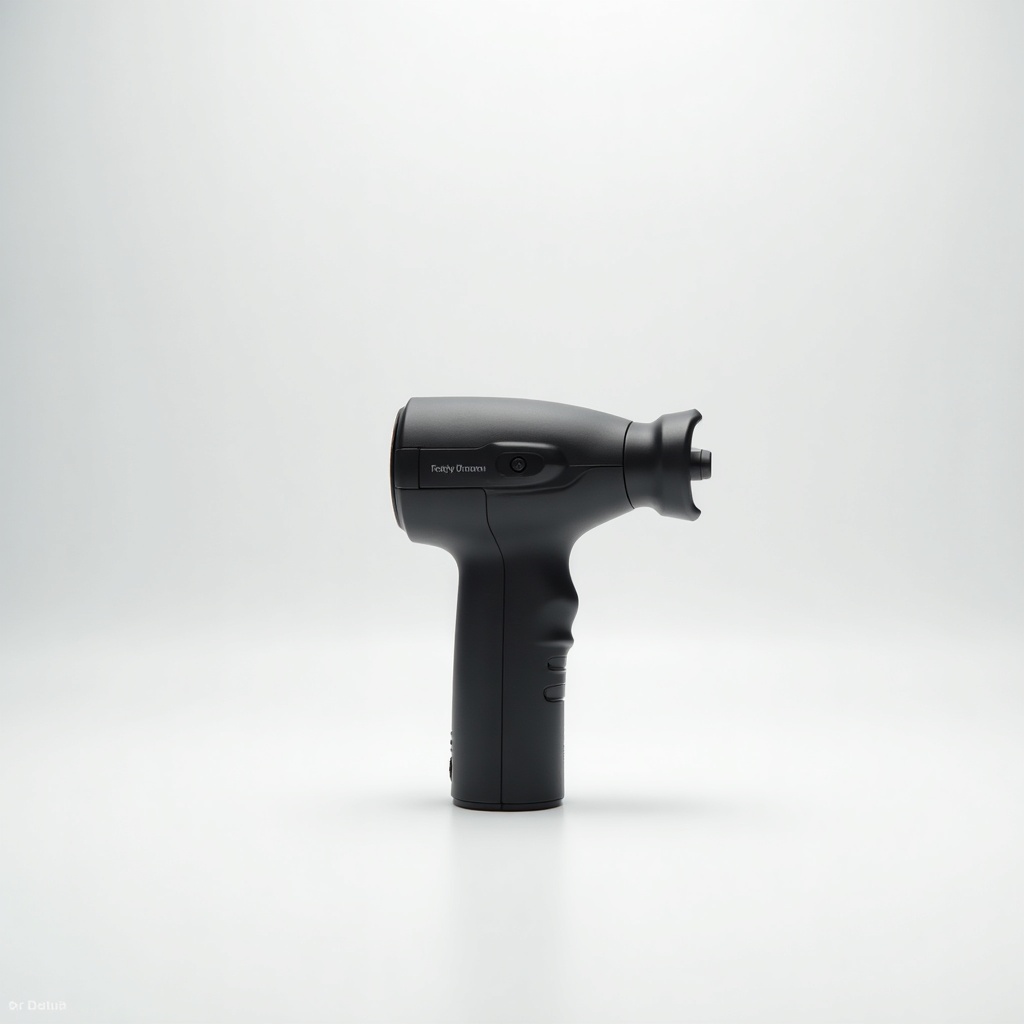
This is Therabody's smallest percussion massager, redesigned for the second generation to be quieter and a bit more refined than the original Mini. It fits in one hand, weighs about a pound, and uses the brand's signature triangular grip so you can reach your own back and shoulders without doing yoga.
You get three speeds and a 10mm amplitude, which is shorter than the full-size Theragun Pro's 16mm. Translation: it taps faster and shallower instead of punching deep into the muscle. For a unit this size, that's the right trade. It ships with a standard ball attachment, and you can buy more if you want a thumb or dampener head.
How it performs day to day
The appeal is dead simple. It lives in a backpack and comes out after a run, a long flight, or a day hunched over a laptop. Battery life runs around two hours, so you're not charging it every session. The grip makes it easy to hit your own traps and lower back, which is where most cheap massage guns fail.
The 2nd Gen is noticeably quieter than the first Mini, landing in the mainstream-friendly range rather than the angry-drill range. It won't replace a deep-tissue session. The shorter amplitude means it soothes and loosens more than it pummels, and serious lifters with dense muscle will notice it skipping across the surface rather than sinking in. For everyday knots and warm-ups, it's plenty.
The pros and the cons
On the plus side: genuinely portable, comfortable to hold, quiet for its class, and backed by Therabody's reputation and warranty. The build feels like a $150 to $200 device rather than a gas-station gadget, and that grip is the thing budget rivals keep failing to copy.
The downsides are real. It's expensive for what amounts to an entry-level Theragun. You can buy a full-size Hypervolt Go 2 or a Bob and Brad mini for less, and some pack more attachments in the box. The Mini ships fairly bare. And if you specifically want deep, bruising pressure, the 10mm amplitude will frustrate you. That's a job for the bigger, pricier Theragun models.
Who should buy it, and who should skip it
Buy it if portability is the whole point. Travelers, commuters, runners, and anyone who wants relief at the office without lugging a brick. It's our easy pick for a massage gun that actually leaves the house.
Skip it if you mainly use a massage gun at home on the couch. In that case the full-size models give you more power and longer reach for not a lot more money. Powerlifters and anyone chasing intense deep-tissue work should also size up. The Mini is a finisher, not a sledgehammer.
The verdict
The Theragun Mini 2nd Gen earns its spot as the travel massage gun to beat. It's not the most powerful, and it's not the cheapest way into percussion therapy. What it nails is the combination of size, comfort, and a quiet enough motor from a brand that stands behind its gear.
Watch the price. Around $150 to $200 it's a fair buy, and it shows up on sale often enough that patience pays off. If you want one device that travels well and handles everyday tightness, this is the one.
Frequently asked questions
- Is the Theragun Mini 2nd Gen powerful enough for deep tissue?
- For most people, yes for everyday tightness and warm-ups. But its 10mm amplitude is shallower than full-size Theraguns, so if you want deep, intense pressure on dense muscle, size up to a larger model.
- How long does the battery last?
- Roughly two hours of use per charge, which is plenty for several sessions before you need to plug it back in. It charges over USB-C, so you don't need a special adapter.
- Is it worth the price over a cheaper mini massage gun?
- If you value the ergonomic grip, quieter motor, and Therabody's warranty, yes. If you just want basic percussion and don't care about brand or self-reach, budget rivals like Bob and Brad deliver more attachments for less money.
Aaron digs into offers, cards, and software so you don't have to read the fine print. He flags the genuinely good deals and the traps.