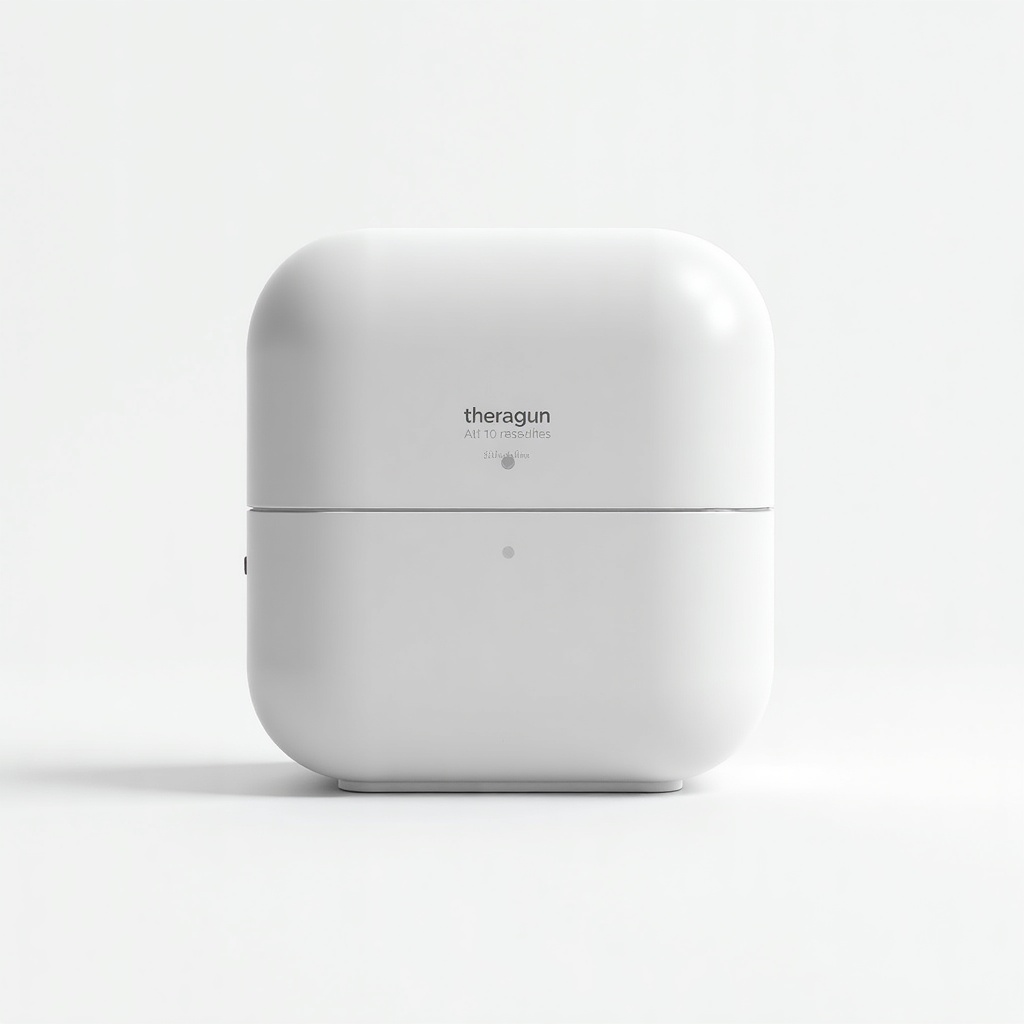
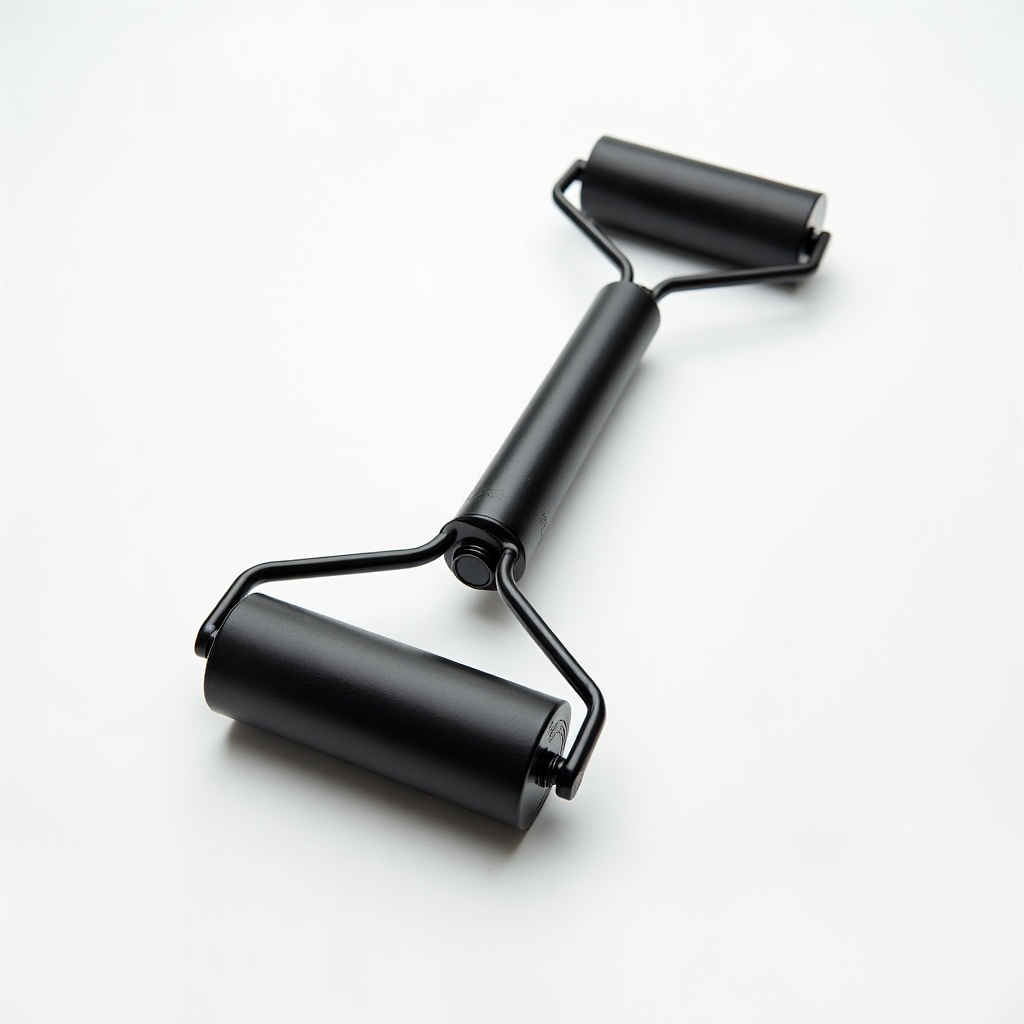
Theragun Carbon Fiber Vibrating Roller Review

A travel-ready foam roller that smooths out tight muscles with multiple vibration speeds.
A foam roller that buzzes while you grind out the knots in your calves and quads. It packs into a gym bag and works the tightness loose faster than a plain block of foam.
What the Theragun Carbon Fiber Vibrating Roller actually is
This is a high-density foam roller wrapped in a carbon fiber shell, with a small motor inside that adds vibration. You charge it, pick from a few intensity settings, and roll out sore muscles the way you would with any roller. The vibration is the selling point. The theory, backed by a decent pile of recovery research, is that adding vibration helps your muscles relax and tolerate the pressure better, so you get deeper into the tissue without white-knuckling it.
It lives in the same Theragun family as the brand's percussion guns, and it carries the same design language: clean, sturdy, a little overbuilt. At roughly $120 to $160 it sits at the top of the foam roller market, where a basic high-density roller runs $20 and a non-Theragun vibrating model like the Hyperice Vyper or Tri-Point often costs less.
How it performs day to day
The build is the easy win. The carbon fiber surface is firm without being brutal, and owners consistently say it holds up to body weight and abuse without going soft or warping. The vibration is genuinely useful on the spots that make you flinch, like IT bands, calves, and upper traps. Turn it up and the buzz takes some of the edge off the pressure, which means you actually stay on the tight spot long enough to do something.
Battery life is fine for the job. You're getting a couple of hours of runtime per charge, which is plenty for someone who rolls for ten minutes a day. It's reasonably quiet for a vibrating device, quieter than a percussion gun, though it's not silent. The real-world annoyance is the same one every premium roller has: you have to remember to charge it, and a dead roller is just a heavy, expensive plain roller until it powers back up.
The pros and cons worth knowing
On the plus side: excellent build quality, a comfortable firm density that suits most people, vibration that meaningfully helps with stubborn tightness, and a size that fits in a carry-on. The Theragun app pairs with it for guided routines, which is genuinely helpful if you don't know what you're doing with a roller.
The downsides are mostly about value. You're paying a steep premium for the brand and the carbon shell. A standard foam roller does 80 percent of the job for a fraction of the cost, and the vibration, while nice, is a comfort upgrade rather than a necessity. It's also a single-tool device. If you're trying to spend $150 on recovery, a Theragun mini or a Hypervolt covers more ground for the same money.
Who should buy it and who should skip it
Buy it if you already roll regularly and hate doing it, if you travel a lot and want one durable tool that won't fall apart in a duffel, or if you've got chronically tight legs and the vibration genuinely makes the routine bearable. It's a strong pick for runners and lifters who treat recovery as a daily habit.
Skip it if you roll twice a month, if you've never owned a foam roller and don't know whether you'll stick with it, or if you're choosing between this and a percussion gun. Beginners should start with a $25 roller and upgrade later. The vibration is a luxury, not the reason to start.
The verdict
The Theragun Carbon Fiber Vibrating Roller is a very good product at an aggressive price. It does what it claims, it's built to last, and frequent rollers will appreciate the vibration. Most people, though, don't need to spend this much to roll out their hamstrings. Get it if recovery is already part of your routine and the convenience matters to you. Otherwise your money goes further elsewhere.
Frequently asked questions
- Does the vibration actually do anything, or is it a gimmick?
- It does help. Vibration lets your muscles tolerate deeper pressure and relax faster, so you can work a tight spot longer without flinching. It's a real benefit, but it's a comfort upgrade, not magic. A plain roller still works.
- Is it worth the price over a regular foam roller?
- Only if you roll often. A $20 to $30 high-density roller does most of the same work. The Theragun earns its premium on build quality, portability, and the vibration. Casual users won't get $150 of value out of it.
- How long does the battery last?
- Owners report a couple of hours of runtime per charge, which covers weeks of short daily sessions. Just remember to charge it. A dead vibrating roller is just a heavy regular roller until you plug it in.
Aaron digs into offers, cards, and software so you don't have to read the fine print. He flags the genuinely good deals and the traps.