TheraBand Resistance Tube with Handles Review

Pocket-sized resistance for full-body workouts anywhere, from PT clinics to hotel rooms.
It's the resistance band physical therapists actually hand you, and it packs a full-body strength session into something that fits in a coat pocket.
What it is
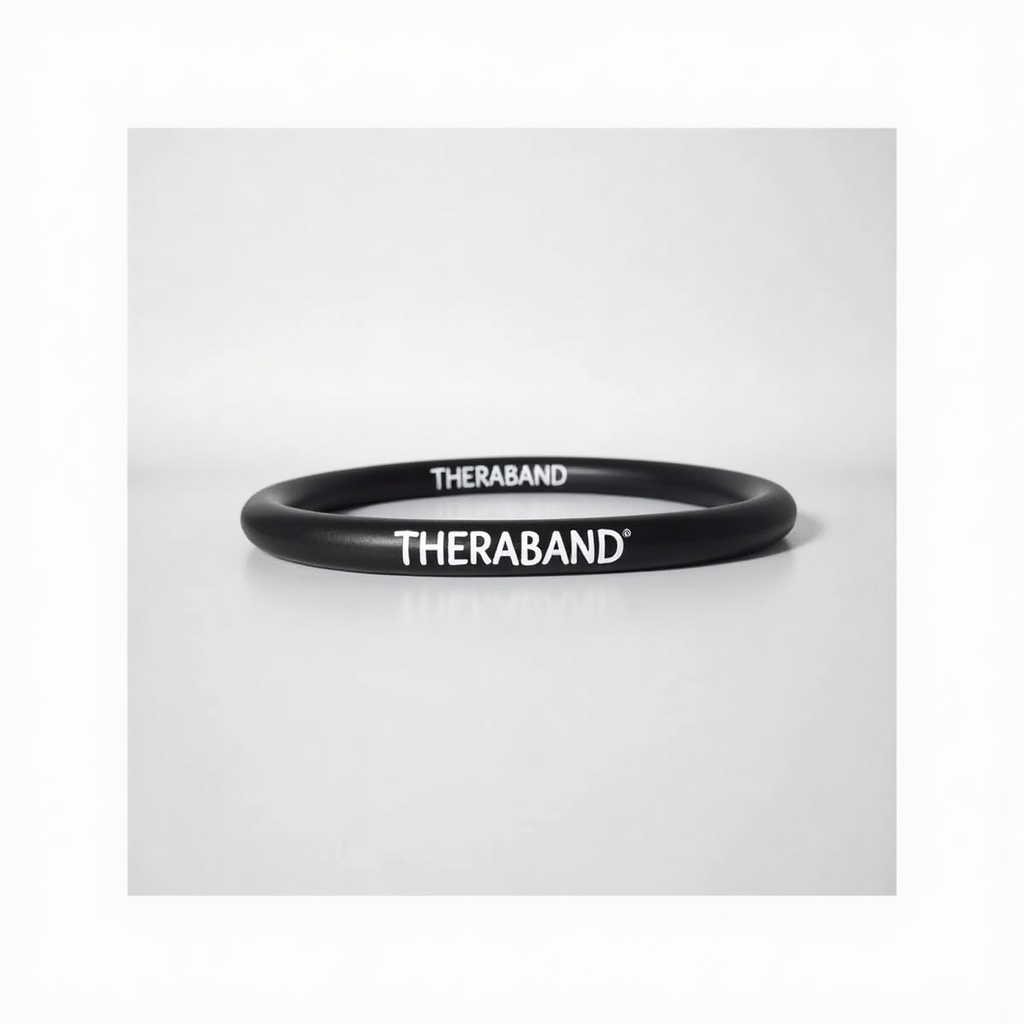
TheraBand makes the latex tubing you've probably squeezed in a PT clinic without knowing the brand name. This version adds molded handles to a length of color-coded resistance tube, so you get a grip that doesn't dig into your palms during rows, presses, and curls.
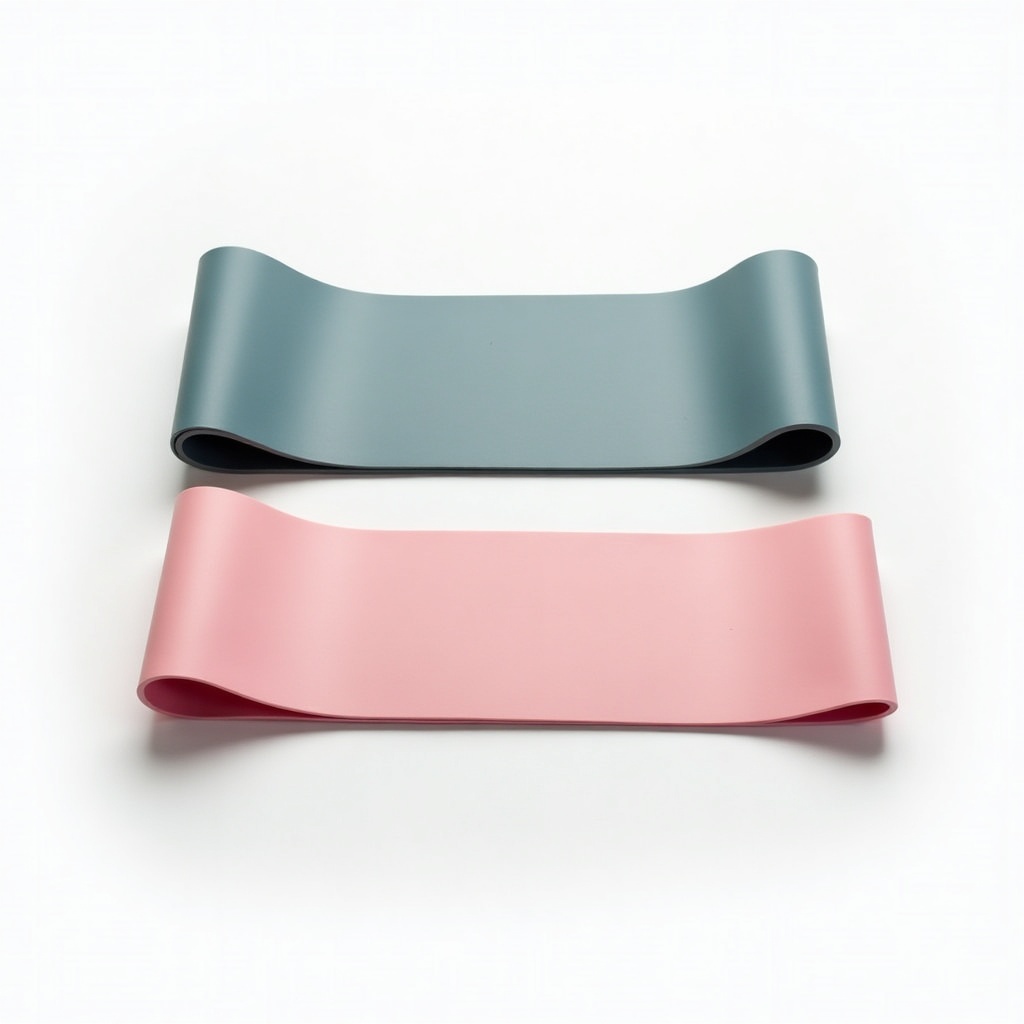
The color system is the whole point. Yellow is light, then red, green, blue, black, and up through silver and gold as the resistance climbs. It's an industry standard, which means a therapist can prescribe a color and you'll know exactly what to order. Pricing sits in the $12 to $25 range depending on the resistance level and whether you grab a single tube or a small set.
How it performs day to day
For its intended job, it's hard to beat. The tubing gives smooth, progressive tension instead of the jerky snap you get from cheap rubber, and the resistance ramps up the further you stretch it. That makes it genuinely useful for rehab work, warm-ups, and travel circuits where dragging dumbbells isn't an option. It weighs almost nothing and disappears into a carry-on.
The handles are the part owners are split on. They're functional and comfortable enough for moderate work, but they attach to the tube in a way that some people find clunky over time. This is rehab and light-to-moderate strength gear, not a barbell replacement. Push into heavy compound territory and you'll outgrow even the darker colors, or end up clipping several tubes together.
Durability is the long-running asterisk. Latex tubing degrades. Leave it in a hot car, store it stretched, or let it bake in sunlight and it'll get tacky and eventually crack. Treat it reasonably, keep it cool and dry, and it lasts. Owners who blow through them fast are usually the ones using them outdoors or in a hot garage.
Pros and cons
The good: trusted brand with real clinical pedigree, the color-coding makes progression dead simple, it's absurdly portable, and the price is low enough that buying two resistance levels barely stings. For physical therapy patients following a prescribed plan, this is the default for a reason.
The annoyances: it contains natural latex, which rules it out for anyone with an allergy. The handle connection isn't bombproof. And the tubing has a finite lifespan that's shorter if you abuse it. None of these are dealbreakers for the right buyer, but they're worth knowing before you expect it to behave like a gym machine.
Who should buy it, and who should skip it
Buy it if you're doing PT, rehabbing a shoulder or knee, building a hotel-room workout kit, or easing into strength training and want something forgiving on the joints. It's also a smart, cheap add-on for stretching and warm-ups before heavier lifting.
Skip it if you're chasing serious hypertrophy or already lift heavy. You'll want adjustable dumbbells or a proper band set with stackable resistance instead. People with latex sensitivities should look at TheraBand's non-latex CLX line or a fabric-band alternative.
The verdict
The TheraBand Resistance Tube with Handles earns its reputation. It's not flashy and it won't make you strong on its own, but as portable, clinically respected resistance for rehab and light-to-moderate training, it's the safe pick. Buy the color your therapist recommends, keep it out of the heat, and it'll quietly do its job for years.
Frequently asked questions
- Which TheraBand color should I start with?
- If you're new to resistance work or rehabbing an injury, start light with yellow or red and progress to green and blue as it gets easy. If a physical therapist gave you a color, follow that. The colors are a fixed scale, so you can order by name with confidence.
- How long does a TheraBand resistance tube last?
- It depends entirely on care. Stored cool, dry, and unstretched, it can last years. Heat, sunlight, and leaving it under tension are what cause the latex to get sticky and crack early. Wipe it down occasionally and keep it out of hot cars and garages.
- Is it strong enough to replace dumbbells?
- For light-to-moderate strength, rehab, and travel, yes. For heavy compound lifting and building serious muscle, no. Even the darker colors top out below what dedicated lifters need, so treat it as a supplement rather than a full gym replacement.
Aaron digs into offers, cards, and software so you don't have to read the fine print. He flags the genuinely good deals and the traps.