Theraband Foam Roller (High Density) Review

Roll out tight legs and a cranky back without the gym membership.
If your hamstrings feel like guitar strings and your lower back files a complaint every time you stand up, this is the cheap fix most people actually need.
What it actually is
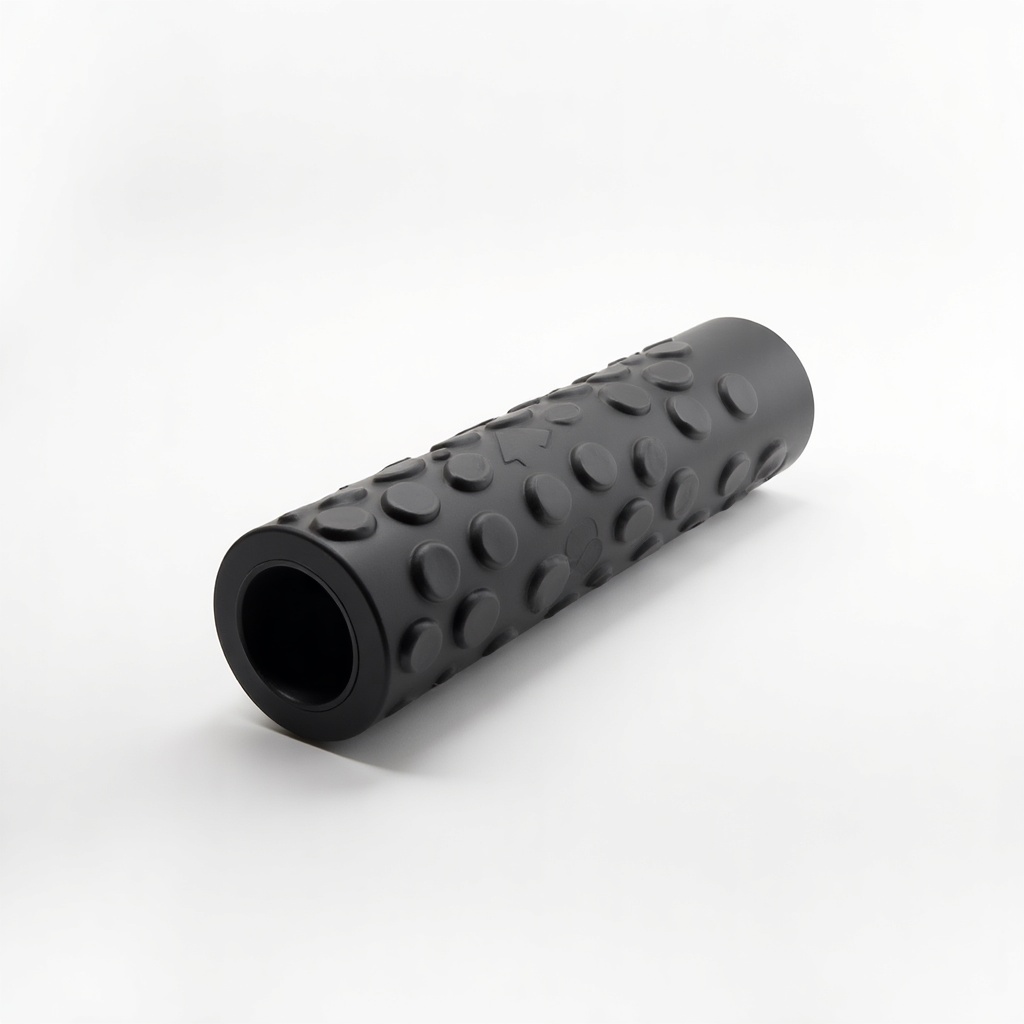
This is a smooth, closed-cell EVA foam roller from Theraband, a brand physical therapists have trusted for decades. No knobs, no ridges, no vibration motor, no app. Just a dense cylinder you lie on to work out tight muscles. It runs roughly $20 to $35 depending on length and where you buy it.
The key word is high density. Cheaper rollers compress under your weight and lose their shape after a few months. This one stays firm and holds its diameter, which is the whole point. A roller that squishes flat is doing about as much for your IT band as a pool noodle.
How it performs day to day
It does one job and does it well. The firm surface delivers real pressure into the meat of a muscle, so calves, quads, and the upper back respond fast. For runners and lifters dealing with general tightness, ten minutes on this covers most of what you'd pay a massage therapist to handle.
The smooth surface matters more than people expect. Textured rollers with aggressive bumps can feel like punishment on sensitive spots, and they're harder to control. This flat surface lets you regulate pressure by shifting your bodyweight, which is better for steady myofascial work and far more forgiving when you hit a tender area.
Firmness is the trade-off, though. This is a hard roller. If you've never used one, the first sessions on a tight spot will not feel relaxing. Beginners and anyone with low pain tolerance sometimes find it too intense and reach for a softer roller instead.
The good and the annoying
Pros: it's genuinely durable, keeps its firmness, wipes clean in seconds, and costs a fraction of fancy alternatives. It's light enough to toss in a gym bag, and the closed-cell foam doesn't soak up sweat the way open-cell foam does. There's nothing to charge or break.
Cons: the firmness is polarizing, and the smooth design won't dig into knots the way a textured Rumble Roller or a TriggerPoint Grid will. Larger people sometimes wish for a longer or wider version, and color options are basic. None of this is a dealbreaker, but know what you're buying.
Who should buy it, and who shouldn't
Buy it if you want a no-nonsense roller that lasts, you do general mobility work, and you're past the wince-on-contact beginner phase. It's a smart pick for athletes, desk workers with cranky backs, and anyone who hates gadgets that need batteries.
Skip it if you're brand new to rolling and bruise easily; start with a softer medium-density roller and graduate up. Skip it too if you specifically want deep trigger-point relief in stubborn knots, where a textured roller or a percussion gun earns its keep.
The verdict
For the money, this is one of the easiest fitness recommendations to make. It's the boring, reliable choice that quietly outlasts trendier options. You're paying for solid foam and a brand that knows recovery, not for marketing.
Most people don't need anything more complicated than this. If you want firm, durable, and cheap, it's a clear yes.
Frequently asked questions
- Is the Theraband High Density Foam Roller too firm for beginners?
- It can be. The high-density foam delivers strong pressure, which is great for experienced users but intense for first-timers. If you're new to rolling or sensitive to pressure, start with a softer medium-density roller and work up to this one.
- How long does a high-density foam roller last?
- Years, typically. The closed-cell EVA foam resists compressing and won't flatten or absorb sweat the way cheap open-cell rollers do. Wipe it down after sweaty sessions and it holds its shape for the long haul.
- Smooth roller or textured roller, which should I get?
- Smooth rollers like this one are better for steady, full-muscle work and are more forgiving on tender areas. Textured rollers dig into specific knots harder but can feel punishing. For general recovery, smooth is the safer pick.
Daniel covers home, kitchen, and everyday-carry gear. He's a stickler for durability and value, and has no patience for overpriced hype.