Sawyer Squeeze Water Filtration System Review

Ultralight backcountry filter that turns sketchy streams into safe drinking water in seconds.
The Sawyer Squeeze turns a questionable mountain creek into drinkable water in about the time it takes to fill a bottle. It weighs almost nothing and has outlasted most of its competition for a reason.
What the Sawyer Squeeze actually is
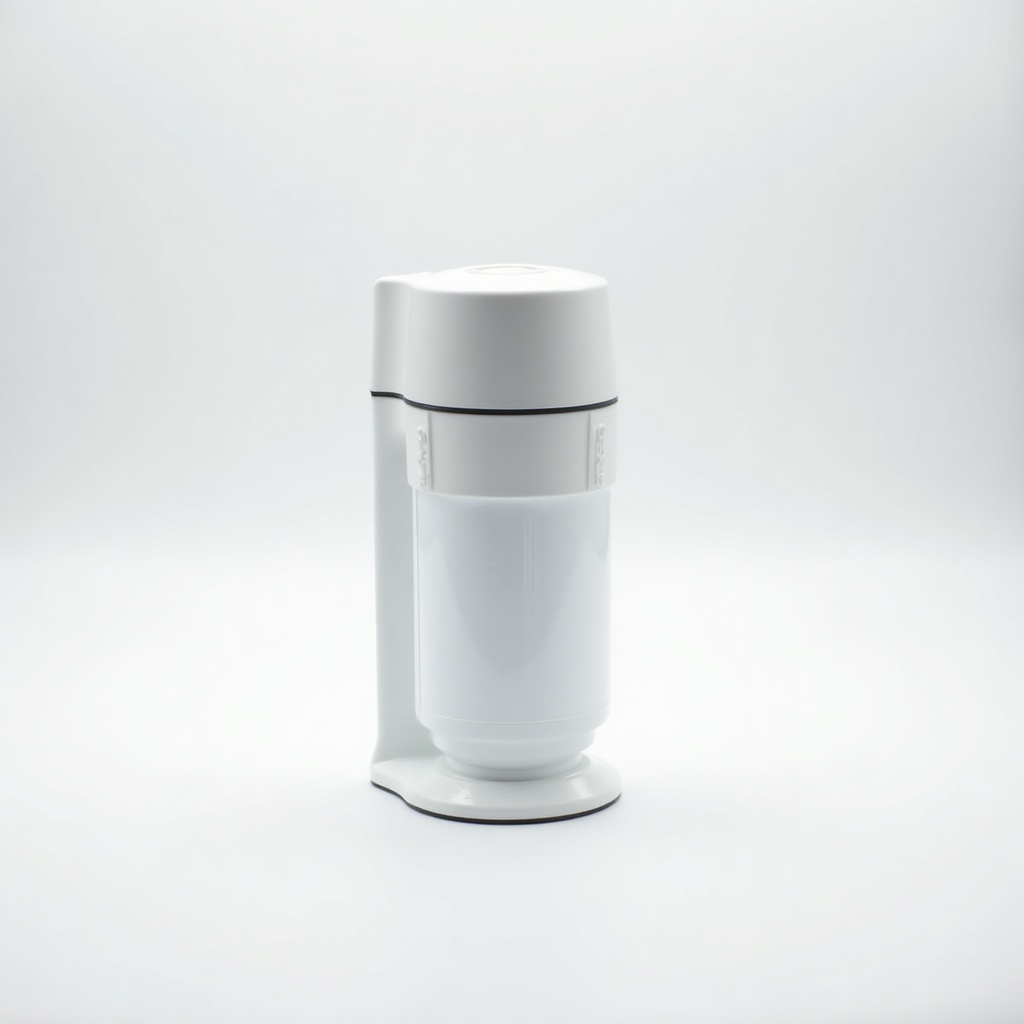
It's a hollow-fiber membrane filter the size of a chunky highlighter. You fill the included squeeze pouch from a stream, thread the filter on top, and push water through into your bottle or mouth. The 0.1-micron membrane removes bacteria, protozoa, and microplastics, which covers the stuff that actually ruins backcountry trips: giardia, cryptosporidium, E. coli.
It does not filter viruses and it won't touch chemicals or heavy metals. In North American and most alpine sources that's a non-issue. If you're drinking from sketchy water in parts of the developing world where viral contamination is a real risk, this is the wrong tool. Sawyer rates the filter for up to 100,000 gallons, which is a marketing-flavored number, but the practical takeaway is sound: with decent care this thing lasts for years, not seasons.
How it performs on the trail
Flow rate is the headline. Fresh out of the box, the Squeeze pushes water faster than nearly anything in its class, and miles ahead of the smaller Sawyer Mini, which clogs to a trickle and frustrates people into quitting. It also beats squeezing through a LifeStraw bottle setup for filling reservoirs and cook pots.
The catch, and every owner learns this, is that flow degrades as the membrane gets gunked up with sediment. The fix is backflushing with the included syringe, and you have to actually do it. Skip maintenance and you'll be standing at a creek cursing a filter that used to be fast. Backflush it regularly and it stays quick for a long time.
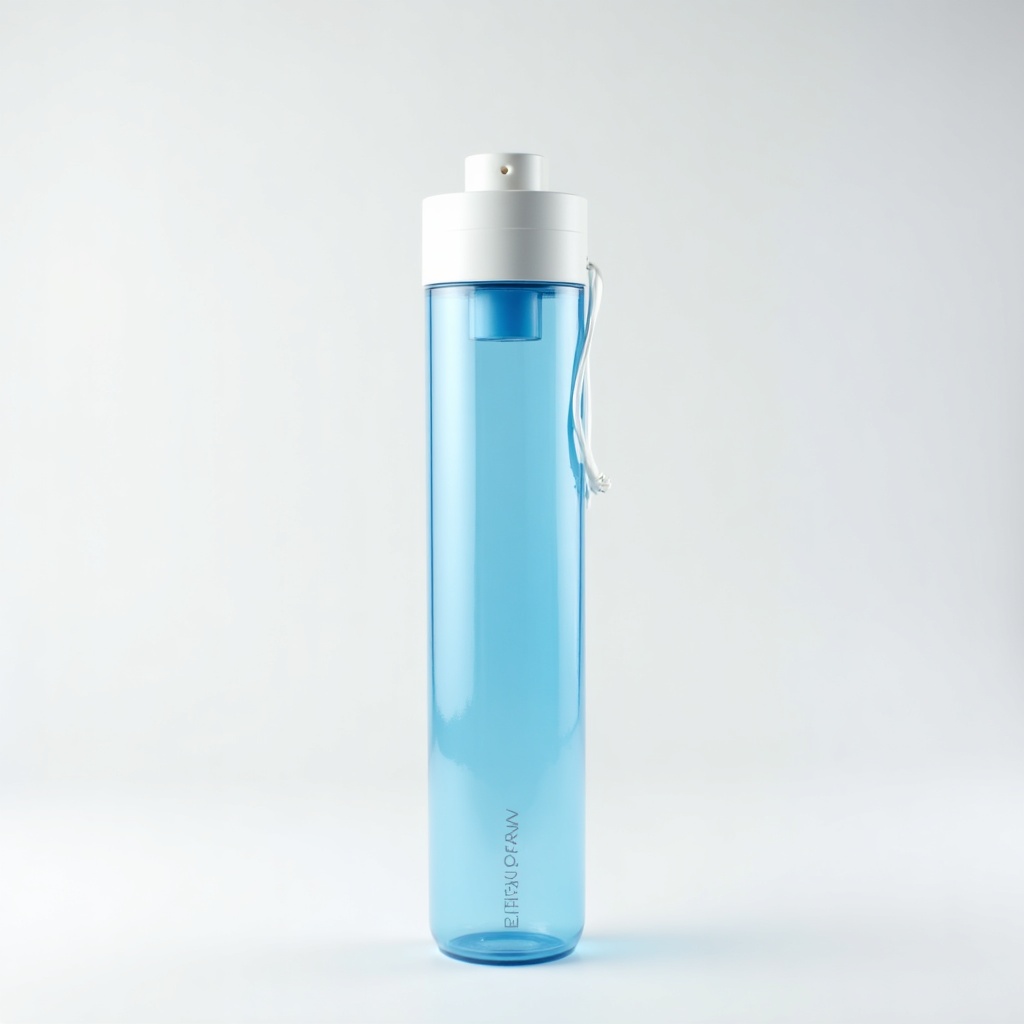
Weight is around 3 ounces, so it disappears in a pack. It threads onto standard 28mm bottle threads, which means it screws right onto a SmartWater bottle. That compatibility is half the reason thru-hikers love it. A cheap disposable bottle becomes your dirty-water vessel and your clean bottle, no extra hardware.
The weak points
The included squeeze pouches are the worst part of the package. They're flimsy and have a reputation for splitting at the seams under hard squeezing, usually at the least convenient moment. Plenty of people ditch them entirely in favor of SmartWater bottles or a CNOC dirty-water bag that fills faster from shallow sources.
It's also vulnerable to freezing. A frozen filter can crack the internal fibers and let unfiltered water through without any obvious sign. In cold weather you sleep with it in your bag. And once a filter has been used, retiring it cleanly is a hassle since there's no foolproof way to confirm a hairline crack.
Who should buy it, and who shouldn't
Backpackers, thru-hikers, and weekend campers in North America and Europe are the core audience, and for them this is close to a default recommendation. It's light, cheap, fast, and durable, and it pairs perfectly with bottles you can buy at any gas station.
Skip it if you want zero maintenance and don't mind waiting, in which case a gravity system like the Platypus GravityWorks does the work for you at a campsite. Skip it if viruses are a concern, where a purifier or chemical treatment makes more sense. And if you only car-camp near treated water, you don't need a filter at all.
Verdict
The Sawyer Squeeze earns its near-permanent spot on gear lists. At roughly $35 to $45 it's an easy buy, the performance holds up if you maintain it, and the bottle compatibility makes it genuinely convenient. Budget for a couple of SmartWater bottles or a CNOC bag, keep it from freezing, and backflush it. Do that and it'll outlast most of your other gear.
Frequently asked questions
- Does the Sawyer Squeeze remove viruses?
- No. The 0.1-micron filter removes bacteria and protozoa like giardia and cryptosporidium, plus microplastics, but it does not filter viruses or chemicals. For most North American and European water sources that's fine. If you're treating water where viral contamination is a risk, use a purifier or chemical treatment instead.
- How do you keep the Sawyer Squeeze from clogging?
- Backflush it with the included syringe regularly, ideally after each trip or whenever flow slows down. Pushing clean water backward through the membrane clears trapped sediment and restores most of the original flow rate. Neglecting this is the number one reason people complain about slow filters.
- Can the Sawyer Squeeze attach to a regular water bottle?
- Yes. It uses standard 28mm threads, so it screws directly onto most disposable bottles like SmartWater. Many hikers skip the included pouches and use those bottles or a CNOC reservoir for the dirty-water side.
Aaron digs into offers, cards, and software so you don't have to read the fine print. He flags the genuinely good deals and the traps.