LifeStraw Personal Water Filter Review

Drink safely from a stream, lake, or sketchy tap — for under $20.
For less than the cost of a movie ticket, you get a pocket-sized straw that lets you drink straight from a stream, a sketchy hotel tap, or a questionable trailside puddle. It's earned its reputation honestly.
What the LifeStraw Actually Is
The LifeStraw is a hollow-fiber membrane filter shaped like a fat straw. You stick one end in the water source, suck through the mouthpiece, and the 0.2-micron membrane strains out bacteria like E. coli and salmonella, plus parasites like Giardia and Cryptosporidium. The company rates it for roughly 4,000 liters, which is about a thousand gallons before it's done.
There's no pumping, no batteries, no chemicals, and no waiting around. That simplicity is the whole pitch. It weighs about two ounces and disappears into a jacket pocket or the lid of a daypack. At well under $20 it's the kind of thing you buy once and forget about until the day you actually need it.
How It Performs Day to Day
Owners are remarkably consistent on this: it works, and it works on the first try. Drop it in a lake, drink, done. The flow rate is decent for a gravity-free filter, though you do have to suck a bit harder than you would on a milkshake. That's normal. As the filter loads up with sediment over time, the draw gets stiffer, and backflushing it (blow air back through it) restores most of the flow.
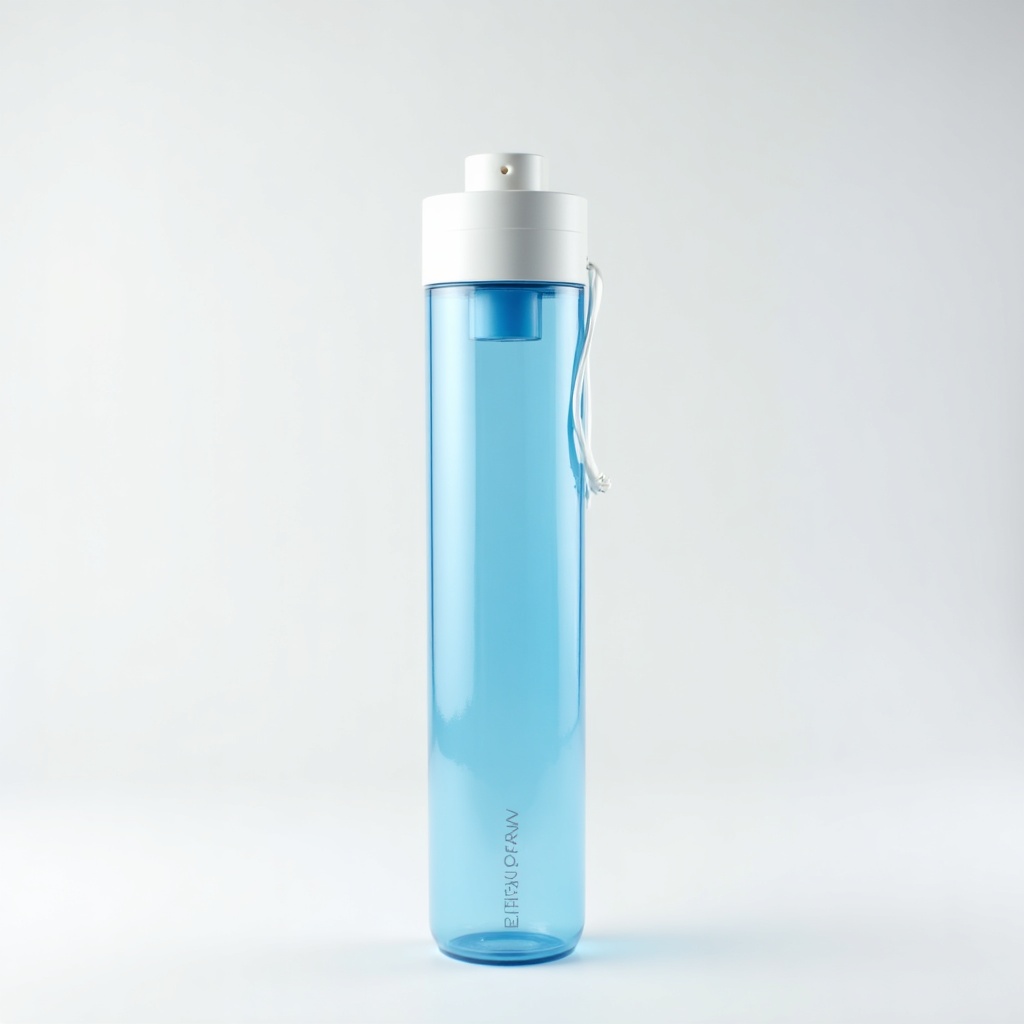
The big caveat is ergonomics. The LifeStraw wants you to drink directly from the source, which means kneeling at a creek bank or hunching over a water bottle. You can't easily filter water into a clean container to cook with or carry. If you want that, the LifeStraw Go bottle or a squeeze-style filter like the Sawyer Squeeze is a smarter buy. The plain straw is built for drinking, not logistics.
Cold-weather warning worth repeating: never let a used filter freeze. Ice can rupture the hollow fibers and quietly destroy the filter without any visible damage. Dry it out and keep it from freezing between trips.
What It Filters, and What It Doesn't
It handles bacteria, protozoa, microplastics, sand, and cloudiness. That covers the vast majority of what makes backcountry and travel water dangerous. For hiking in North America and most international travel, that's the threat you're actually facing.
What it does not do: viruses, heavy metals, chemicals, salt, or bad taste from minerals. If you're worried about viral contamination (rare in wilderness, more relevant in some developing-world water systems), you need a purifier, not a filter, like the Grayl GeoPress or a SteriPen. The standard LifeStraw is not that tool, and pretending otherwise is how people get sick.
Who Should Buy It, and Who Shouldn't
Buy it if you want cheap, idiot-proof insurance. It's ideal for day hikers, casual backpackers, emergency kits, bug-out bags, and car glove boxes. Every household disaster kit should have one or two. As a backup that lives in a pack for years, nothing at this price competes.
Skip it if you need to filter water for a group, cook meals, or fill bottles for later. Skip it if you're traveling somewhere with genuine virus risk in the water. And skip the plain straw if drinking face-down in dirt sounds miserable to you; spend a few dollars more on the bottle version or a Sawyer setup that threads onto a standard bottle.
The Verdict
The LifeStraw is one of the easiest outdoor recommendations to make. It's cheap, it's proven, it's nearly impossible to use wrong, and it has saved a lot of stomachs. The limitations are real but honest: it's a personal drinking filter, full stop, not a do-everything water system.
For an emergency kit or a day pack, it's close to a no-brainer. Serious backpackers and travelers will likely outgrow it and want something with more flexibility, but even they tend to keep one around as a backup. At this price, why wouldn't you.
Frequently asked questions
- Does the LifeStraw remove viruses?
- No. The standard LifeStraw filters bacteria and protozoa down to 0.2 microns, but viruses are too small for it to catch. If you need virus protection, use a purifier like the Grayl GeoPress or a SteriPen instead.
- How long does a LifeStraw last?
- It's rated for about 4,000 liters (roughly 1,000 gallons) of water. There's no expiration date if it stays dry and unused, which is why it's popular for long-term emergency kits. Just never let a used, wet filter freeze.
- Can you filter water into a bottle with a LifeStraw?
- Not easily. The plain straw is designed for drinking directly from the source. If you want to fill clean bottles or cook with the water, get the LifeStraw Go bottle or a squeeze filter like the Sawyer Squeeze.
Aaron digs into offers, cards, and software so you don't have to read the fine print. He flags the genuinely good deals and the traps.