Philips Sonicare ProtectiveClean 4100 Review

Dentist-level clean at home with a pressure sensor that stops you from scrubbing your gums raw.
Cleaner teeth without the dentist guilt trip. The Sonicare 4100 nails the basics, pairs a genuinely useful pressure sensor with a sane price, and skips the gimmicks most people pay for and never use.
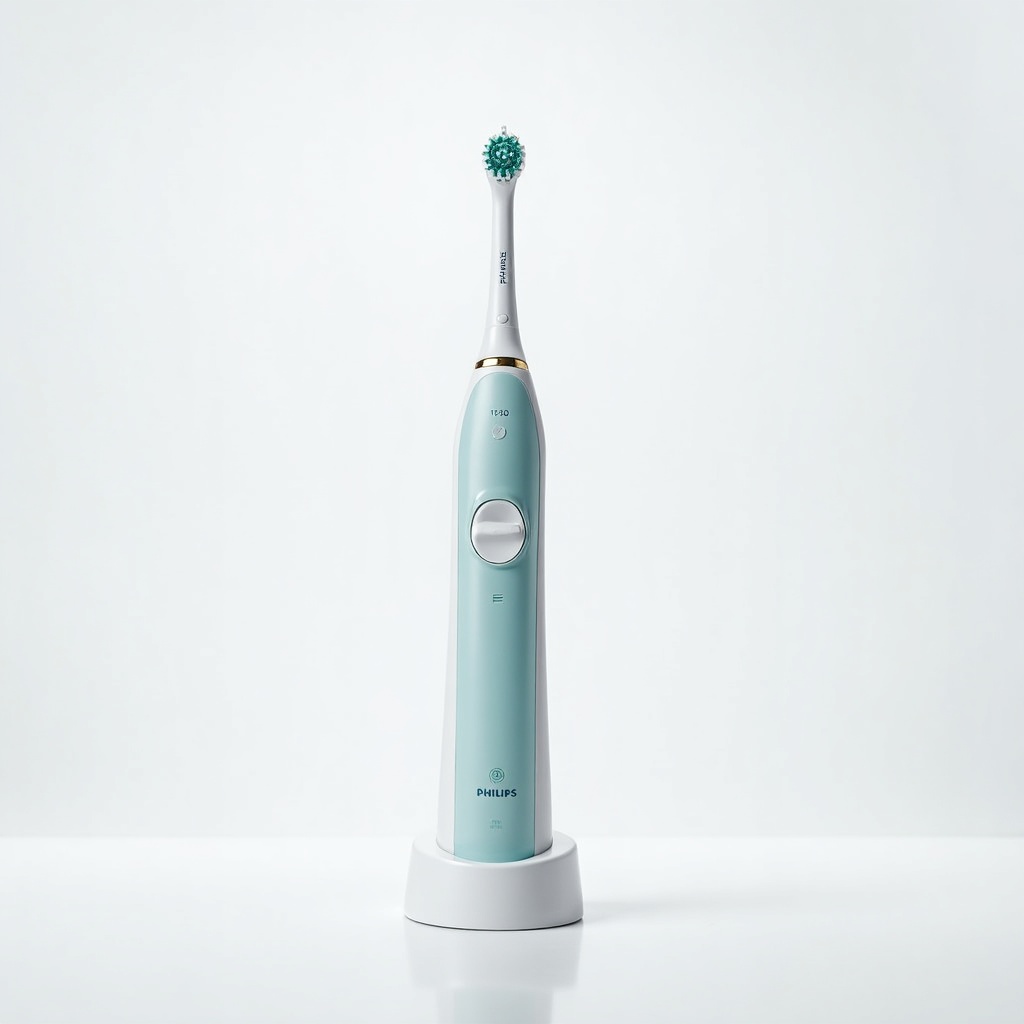
What the Sonicare 4100 actually is
This is Philips' entry-level-but-not-cheap electric toothbrush, sitting in the $40 to $60 range on Amazon. You get sonic vibrations at around 31,000 strokes per minute, a single cleaning mode, a two-minute timer with QuadPacer that buzzes every 30 seconds, and the headline feature: a pressure sensor that warns you when you're mashing the brush into your gums.
It runs on a rechargeable battery rated for about two weeks per charge, which is roughly the industry standard. No app. No Bluetooth. No travel case in most configurations. Philips clearly drew a line here and stuck to it, which is part of why this model has the reputation it does.
How it performs day to day
The clean is the real draw. Owners overwhelmingly report the slick, just-left-the-hygienist feeling that manual brushes never quite deliver, and that's the whole point of sonic tech. The vibrations do the work, so you stop scrubbing and start guiding. People with a heavy hand benefit most.
The pressure sensor is the feature that earns its keep. Press too hard and the handle changes its hum to tell you to back off. It sounds minor. It isn't. Brushing too aggressively wrecks gums and enamel over time, and this is a constant, slightly nagging coach that fixes the habit. The 30-second pacer is equally quietly useful, nudging you to move from one quadrant of your mouth to the next so you don't spend 90 seconds on your front teeth and skip the back molars.
The good and the annoying
Pros: excellent clean, the pressure sensor, two-week battery life, and Philips' wide ecosystem of compatible brush heads so you're not locked into one expensive replacement. It's also reasonably quiet for a sonic brush and feels well built rather than hollow and rattly.
Cons: one cleaning mode only, so no gum-care or whitening setting if you want options. Replacement heads are pricey and add up over a year, which is the real long-term cost of any Sonicare. The battery isn't user-replaceable, so eventually the whole handle is landfill. And the charging base is basic. If you want a USB travel charger or a glass that doubles as a charger, you're looking at pricier models.
Who should buy it, and who shouldn't
Buy it if you're upgrading from a manual brush and want the biggest jump in clean for the least money. It's also the right pick for anyone whose dentist has flagged aggressive brushing, since the pressure sensor directly targets that. Honestly, it's the model we'd point most normal humans toward.
Skip it if you specifically want multiple modes, app-based tracking, or a travel case in the box. The Sonicare 5100 and DiamondClean lines add those, though most people pay extra for features they poke at once and forget. If you mostly want quiet brushing on the cheap, an Oral-B with oscillating heads is a fair alternative, but it feels different and some people prefer Sonicare's smoother sonic buzz.
The verdict
The ProtectiveClean 4100 is the sensible default. It does the one job an electric toothbrush should do, adds the one feature that genuinely protects your mouth, and doesn't pad the price with software nobody asked for. The single mode and the cost of replacement heads are the only real gripes, and neither is a dealbreaker. For most people, this is the electric toothbrush to buy and stop thinking about.
Frequently asked questions
- What's the difference between the Sonicare 4100 and 5100?
- The 5100 adds a dedicated gum-care mode and usually a travel case, plus a different brush head. The 4100 has a single mode. If you don't care about extra modes, the 4100 gives you the same core clean and the same pressure sensor for less.
- How often do you need to replace the brush heads?
- Philips recommends every three months, the same as a manual brush. Many heads have bristles that fade in color to remind you. Budget for that ongoing cost, since genuine Sonicare heads aren't cheap.
- Does the pressure sensor really work?
- Yes, and it's the standout feature. Push too hard and the handle changes its sound to tell you to ease off. Owners consistently say it broke their habit of scrubbing too aggressively, which is exactly what protects gums and enamel long term.
Aaron digs into offers, cards, and software so you don't have to read the fine print. He flags the genuinely good deals and the traps.