Oura Ring Gen 3 Review

Sleep, recovery, and readiness tracking in a ring you'll actually forget you're wearing.
If you've ever wanted to know why you feel like garbage on a Tuesday, the Oura Ring Gen 3 gives you a number for it. It's the rare wearable you'll genuinely forget is on your finger.
What the Oura Ring Gen 3 actually is
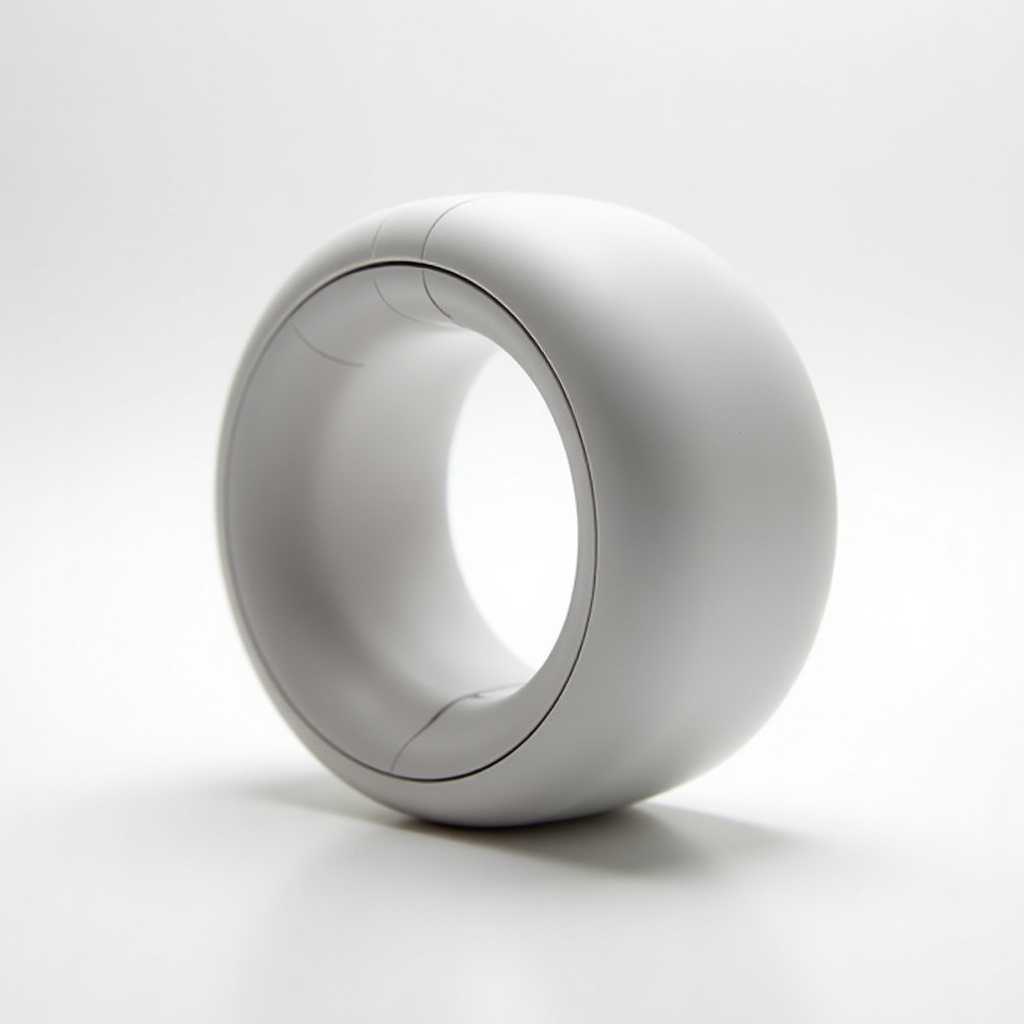
It's a titanium ring stuffed with sensors that tracks your sleep, heart rate, body temperature, and daily activity. No screen, no notifications, no buzzing. Instead of glancing at your wrist, you open the app in the morning and get three scores: Sleep, Readiness, and Activity. The Readiness score is the real draw. It's Oura's attempt to tell you, in one number, whether to push hard at the gym or take the day off.
The ring weighs almost nothing and sits flush enough that most people stop noticing it within a day. That's the whole pitch. A smartwatch is hard to wear to bed. A ring isn't. Expect to pay somewhere in the $300 to $350 range for the hardware, depending on finish, and that's before the part most reviews bury.
The subscription is the catch nobody warns you about
Buy the ring and you get a free trial of Oura Membership. After that, the detailed insights cost roughly $6 a month. Skip the membership and the app turns into a near-useless shell that shows you raw scores with no breakdowns, trends, or recommendations. You bought a $300 ring and Oura still wants rent.
Whether that's outrageous depends on how you use it. The data and the long-term trend tracking are the actual product, and they keep getting refined. But it stings, and competitors like Whoop bake the hardware into the subscription instead. Go in knowing the true cost is hardware plus about $72 a year.
How it performs: sleep and recovery tracking
Sleep tracking is where the Gen 3 earns its reputation. It's consistently among the most accurate consumer wearables for sleep staging and resting heart rate, and the temperature sensing is sensitive enough that plenty of owners catch a fever or, for some, an early pregnancy signal a day before they'd otherwise notice. Battery runs four to seven days on a charge, and the puck charger tops it up in about an hour.
Activity tracking is the weak spot. With no GPS and no screen, it's a passive step-and-movement counter, not a workout machine. It'll log a walk fine. It will not replace a running watch, and the auto-detection of workouts is hit or miss. If you live in the gym, this isn't your primary device.
Pros and cons
The good: comfortable enough to forget, excellent sleep and recovery data, strong battery, and a temperature sensor that genuinely catches things. The Readiness score is the kind of feedback loop that actually changes behavior, which is more than you can say for most step counters.
The bad: the mandatory subscription, weak fitness tracking, and the fact that it's a finger ring, so swelling, weight changes, or cold hands affect fit. You also have to order a sizing kit first, which adds a week before you even start. And the titanium scuffs.
Who should buy it, and who should skip it
Buy it if your goal is understanding sleep and recovery, and you want data without a screen glowing at you all day. It's ideal for people who hate wearing a watch to bed, travelers tracking jet lag, and anyone optimizing rest over raw workout stats.
Skip it if you want one device to do everything. A Garmin or Apple Watch will track your runs, show texts, and handle workouts the ring can't touch. And if a recurring subscription on top of a $300 purchase irritates you on principle, this product will keep irritating you every month.
The verdict
The Oura Ring Gen 3 is the best sleep and recovery tracker you can wear without thinking about it, and for the people it's built for, that's worth a lot. The subscription model is the only thing keeping it from a blanket recommendation. Know what you're signing up for, want the recovery data more than the workout features, and you'll be happy. Want it all in one gadget? Look at a smartwatch instead.
Frequently asked questions
- Does the Oura Ring Gen 3 require a subscription?
- Yes, for the useful version. The ring includes a trial of Oura Membership, after which detailed insights, trends, and recommendations cost about $6 a month. Without it, the app only shows basic scores.
- How accurate is the Oura Ring for sleep tracking?
- Very good by consumer-wearable standards. It's consistently ranked among the most accurate for sleep staging and resting heart rate, and the temperature sensor reliably flags fevers and other body changes.
- Is the Oura Ring better than an Apple Watch or Whoop?
- For pure sleep and recovery comfort, the Oura wins. For fitness tracking, GPS, and notifications, an Apple Watch or Garmin is far better. Whoop is the closest recovery rival but uses a hardware-included subscription instead of an upfront purchase.
Aaron digs into offers, cards, and software so you don't have to read the fine print. He flags the genuinely good deals and the traps.