Manduka PRO Yoga Mat Review

The cushy, joint-saving mat that lasts a lifetime—dense enough that knees and wrists actually thank you.
If your knees file a complaint every time you drop into a low lunge, the Manduka PRO is the dense, cushioned mat that quiets them down. It's heavy, it lasts, and it costs accordingly.
What the Manduka PRO Actually Is
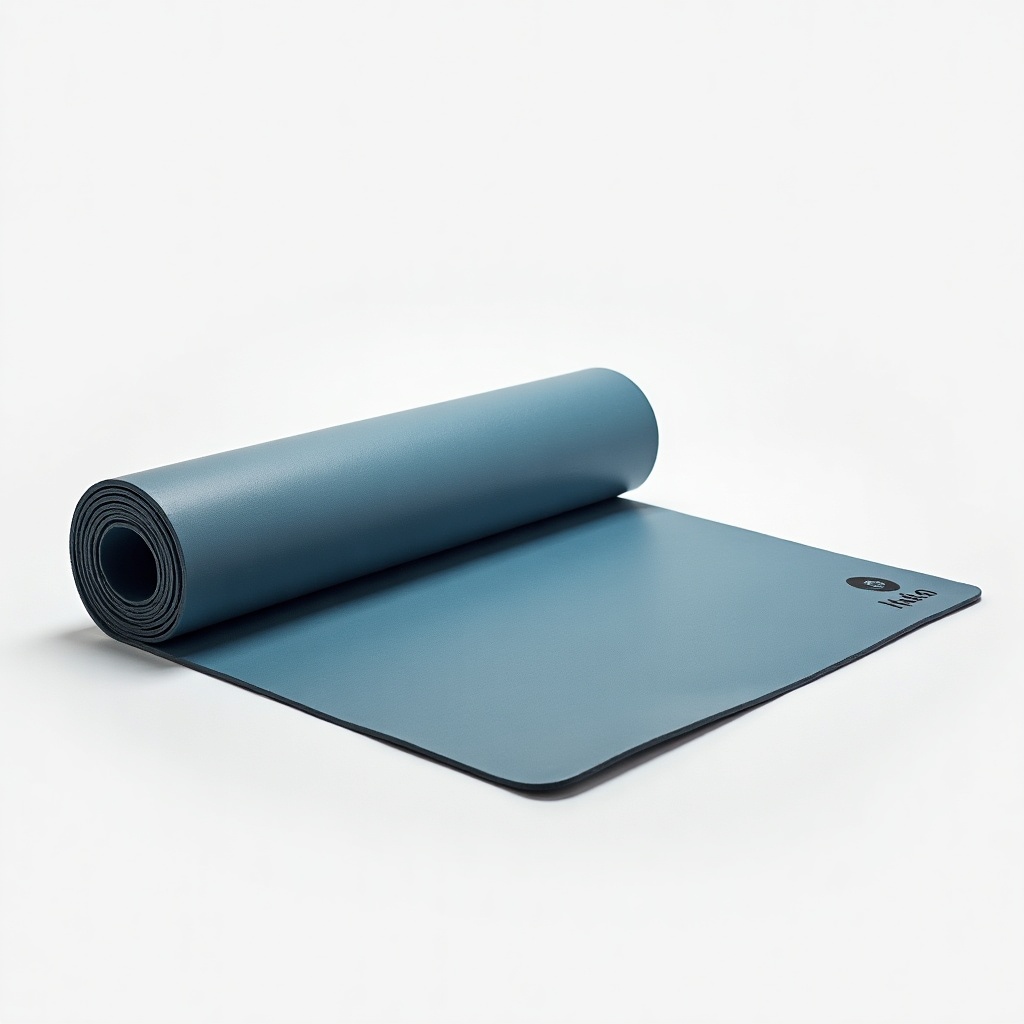
The Manduka PRO is a 6mm closed-cell PVC mat that has earned an almost mythical reputation in studios over the last two decades. The pitch is simple. It's thick, it's dense, and it carries a lifetime guarantee. That last part is rare in a category where most mats flake and crumble within a year or two.
Closed-cell construction means the surface doesn't absorb sweat or bacteria the way an open-cell mat does. Easier to clean, harder to ruin. The tradeoff shows up the moment you lift it. This thing weighs around 7.5 pounds in the standard size, which is roughly double what you'd get from a thin travel mat.
How It Performs Day to Day
The cushioning is the whole point. That 6mm of dense foam sits firmly underfoot, so you get joint protection without the mushy, unstable feeling cheaper thick mats give you. Balance poses stay solid. Knees, wrists, and the bony bits of your spine get real padding during floor work. Owners with cranky joints consistently call this the upgrade that fixed their practice.
Grip is the catch, and it's worth being honest about. Out of the box the PRO is slick, especially if your hands sweat. Manduka's own advice is to break it in: scrub it with coarse salt, or just use it religiously for a few weeks until the surface scuffs up. After that it grips well. Hot yoga folks usually pair it with a towel anyway. If you want grip that works on day one with no ritual, the Lululemon Reversible 5mm or a Liforme is the easier path.
Maintenance is low effort. Wipe it down, let it dry, and it shrugs off years of use. The closed-cell surface won't soak up odor, which matters if you've ever caught a whiff of an old open-cell mat.
The Pros and Cons, Straight
Pros: outstanding cushion and density, genuine lifetime durability, easy to clean, doesn't hold smell, and a guarantee Manduka actually honors. For people who practice often, the cost-per-year math gets very reasonable when you stop replacing $30 mats every season.
Cons: it's heavy and a pain to carry, the break-in period is real and annoying, it's pricey up front, and the surface is PVC rather than natural rubber, which matters if you want an eco material. The standard length can also feel short if you're over six feet tall, though the PRO comes in a longer 85-inch version.
Who Should Buy It, Who Should Skip
Buy it if you practice at home several times a week, have sensitive joints, and you're tired of replacing flimsy mats. This is the one you keep for a decade. It's also a smart pick for anyone doing slower, alignment-focused styles where stability beats portability.
Skip it if you commute to a studio and dread lugging gear, in which case a lighter mat like the Manduka eKO Superlite or a travel-specific option saves your shoulder. Skip it too if you want instant grip with zero break-in, or if natural rubber is a dealbreaker for you.
The Verdict
The Manduka PRO is the closest thing to a buy-it-for-life yoga mat. At roughly $100 to $140 it's an investment, but it's the rare fitness purchase that earns its price through sheer longevity and joint-saving cushion. Get past the break-in, accept the weight, and it's hard to outgrow. Recommended for committed home practitioners. Less ideal for studio commuters who value light over lasting.
Frequently asked questions
- Why is the Manduka PRO so slippery at first?
- The closed-cell surface ships with a thin factory residue and needs breaking in. Scrub it with coarse sea salt and water, let it sit, then wipe clean. Regular use also roughens the surface naturally. After a couple of weeks the grip improves significantly.
- Is the Manduka PRO worth the higher price?
- If you practice regularly, yes. The lifetime guarantee and dense, joint-protecting cushion mean you're not rebuying a mat every year. For occasional users or studio commuters who want something light, a cheaper or lighter mat makes more sense.
- How heavy is the Manduka PRO?
- The standard 6mm mat weighs around 7.5 pounds, and the longer 85-inch version is heavier. It's built for staying put in one spot rather than being hauled around, so factor that in if you carry your mat to class.
Daniel covers home, kitchen, and everyday-carry gear. He's a stickler for durability and value, and has no patience for overpriced hype.