Hydro Flask Trail Series Lightweight Bottle (24 oz) Review

Up to 25% lighter than standard Hydro Flasks while keeping drinks ice-cold for hours on the trail.
If you've ever cursed the weight of a full water bottle three miles into a climb, the Trail Series is Hydro Flask's answer. It shaves roughly a quarter of the weight off a standard insulated bottle without giving up the cold-all-day performance the brand built its name on.
What the Trail Series actually is
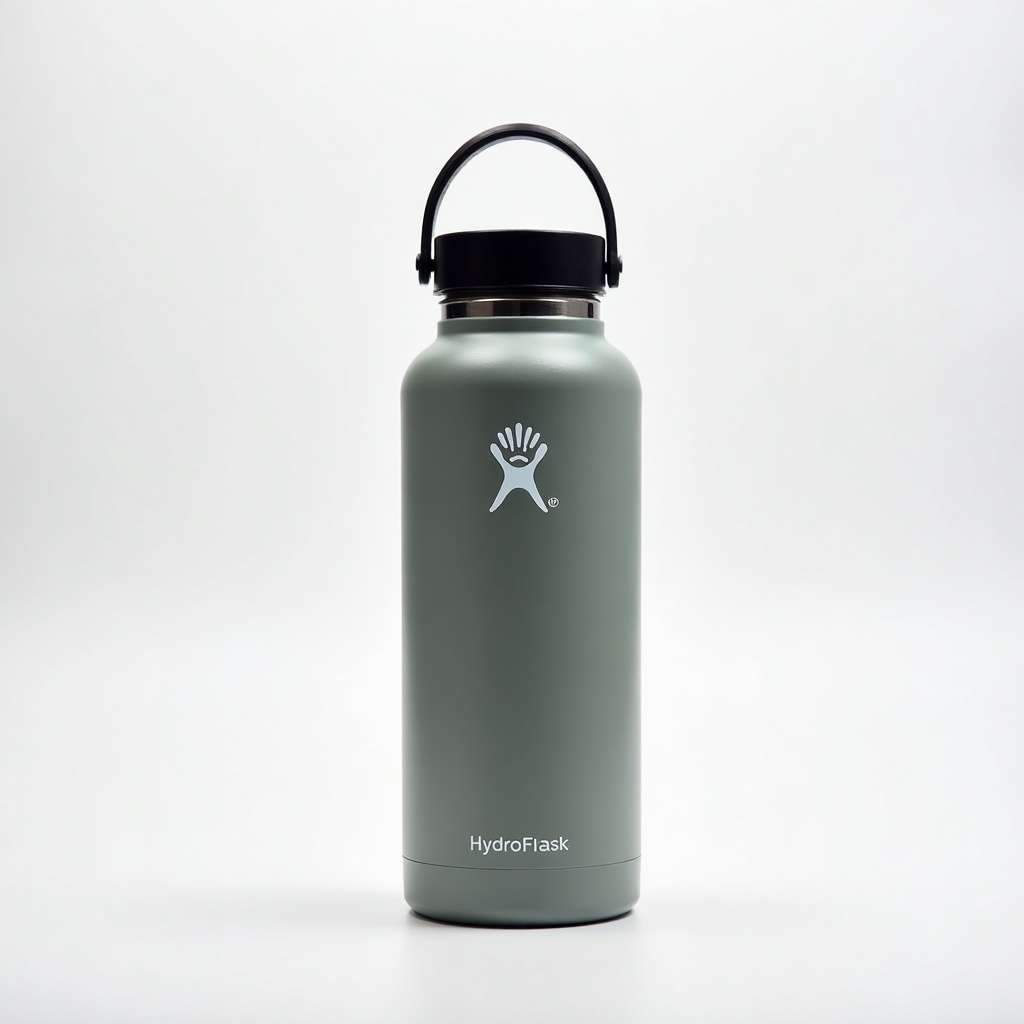
This is Hydro Flask's stripped-down hiking bottle. Same double-wall stainless steel vacuum insulation the company is known for, but the walls are thinner and the body uses a lighter-gauge steel, which is how they get to the roughly 25% weight savings over a standard 24 oz Hydro Flask. The 24 oz size is the sweet spot for most day hikers: enough water to matter, not so much you're hauling a brick.
It ships with the Flex Cap, the loop-top lid most people already associate with the brand. Powder-coated finish, standard mouth opening, the usual color lineup. Nothing here reinvents the bottle. The whole pitch is less weight for the same insulation, and on paper Hydro Flask delivers exactly that.
How it performs on the trail
Insulation is the headline, and the reputation holds up. Owners consistently report ice surviving most of a day in the pack and water staying genuinely cold for the better part of 12 hours, even when the bottle is strapped to the outside of a sunny pack. That's the real payoff. A lighter bottle that turns your water lukewarm by lunch would be pointless, and this one doesn't do that.
The weight difference is noticeable when you compare it side by side with a regular Hydro Flask, less so if you've never owned the standard version. We'd call it a meaningful nudge rather than a transformation. The Flex Cap loop is easy to clip to a carabiner, and the standard mouth is wide enough to drop in ice cubes but narrow enough that you won't soak your face on a downhill stride.
The honest trade-off is toughness. Thinner steel means it dents more easily than the heavier standard models. Drop it on rock and you're more likely to see a ding. The insulation still works after cosmetic dents, but if you're rough on gear, know that going in.
Pros and cons
On the plus side: real weight savings for backpacking and long day hikes, excellent cold retention, the proven Flex Cap, and Hydro Flask's lifetime warranty backing it up. It's dishwasher-safe with the right lids, and the powder coat grips well even with sweaty hands.
On the downside: it dents easier than standard Hydro Flasks, the price sits at the top of the bottle market, and 24 oz fills up fast on hot all-day efforts. If you're chasing the absolute lightest possible setup, a soft flask or a plain plastic Nalgene will beat it on grams every time. Insulated steel will always carry a weight penalty. This just minimizes it.
Who should buy it, and who should skip it
Buy it if you already love insulated bottles and want one that's less of a burden on day hikes, fast-packing trips, or commutes where every ounce in the bag registers. It's also a smart pick if you want cold water that actually stays cold through a summer outing.
Skip it if you're a gram-counting ultralight backpacker who'd never carry a steel bottle anyway, or if you're hard on your gear and want the most dent-resistant option. In that case the standard Hydro Flask is the more sensible buy. And if you only sip water at a desk, you're paying a trail premium for a feature you'll never use.
The verdict
The Trail Series does the one thing it promises. It's a lighter Hydro Flask that still keeps drinks ice-cold, and for hikers that's a fair trade for slightly softer dent resistance. At roughly $40 to $55 on Amazon it isn't cheap, but it's priced in line with the rest of the lineup. If a lighter pack matters to you and you don't want to compromise on cold water, this is an easy recommendation.
Frequently asked questions
- How much lighter is the Trail Series than a regular Hydro Flask?
- Hydro Flask lists it at up to 25% lighter than a comparable standard bottle, achieved with thinner steel walls. The trade-off is that it dents a bit more easily than the heavier standard models.
- Does the lighter design hurt the insulation?
- No. It keeps the same double-wall vacuum insulation, and owners report cold drinks for most of a day, with ice surviving many hours in a pack. The weight savings come from the steel, not from cutting insulation.
- Is the 24 oz size big enough for hiking?
- For most day hikes, yes. On hot all-day outings you'll likely want to refill or carry a second source, since 24 oz disappears fast when you're working hard in the heat.
Daniel covers home, kitchen, and everyday-carry gear. He's a stickler for durability and value, and has no patience for overpriced hype.