Gregory Zulu 30 Hiking Daypack Review

Ventilated day-hike pack that keeps your back cool on sweaty summer climbs.
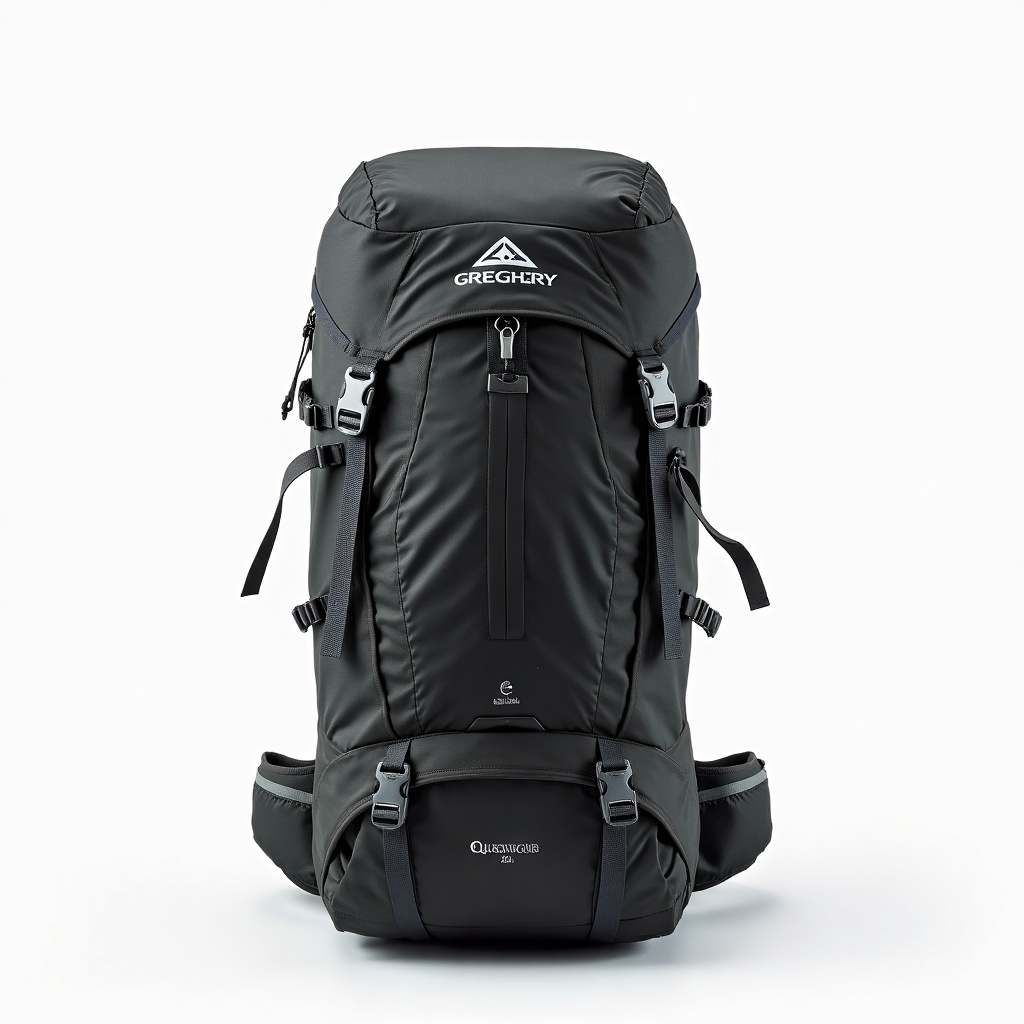
The Zulu 30 exists for one reason: keeping your back from turning into a swamp on a hot uphill slog. It does that job well, and that focus is both its strength and its limit.
What the Gregory Zulu 30 actually is
This is a 30-liter ventilated daypack built around a suspended trampoline-style back panel. Instead of your spine pressing flat against the bag, mesh holds the pack off your back and lets air flow through the gap. The payoff shows up on sweaty summer climbs, which is exactly the niche Gregory aimed at.
Thirty liters is the sweet spot for a long day out. You can carry water, layers, lunch, a first-aid kit, and a rain shell without overthinking it. It's also large enough to limp into ultralight overnight duty if you pack carefully, though that's not its real job.
How it performs on the trail
The ventilation is the headline and it earns the attention. Owners consistently report a noticeably cooler, drier back compared to body-hugging packs from Osprey's Talon line or Deuter's Speed Lite. On humid climbs that difference is real, not marketing fluff.
Fit is the other thing Gregory does well. The hipbelt and harness adjust through a genuinely useful range, and the load rides close enough that 15 to 20 pounds feels stable on uneven ground. The integrated rain cover is a nice touch that competitors increasingly leave out to save money. Hydration sleeve, trekking pole attachments, and dual stretch side pockets round out a sensible feature set.
The trade-offs worth knowing
That suspended back panel curves away from your spine, which means it eats into usable space and pushes the load slightly away from your center of gravity. Pack it heavy and you'll feel the difference versus a flatter panel. Most day hikers won't notice. Scramblers and anyone hauling serious weight might.
It's also not light. At roughly 2.7 to 3 pounds, the Zulu 30 weighs more than minimalist competitors, and the ventilated frame is the reason. If counting grams is your hobby, this isn't your pack. Build quality is solid rather than bombproof, and the price sits in the $150 to $190 range, which is fair but not a bargain.
Who should buy it, who should skip it
Buy it if you hike in heat and humidity and a sweaty back genuinely ruins your day. It's a strong pick for long summer day hikes, peak-bagging in warm climates, and anyone who runs hot. The women's version, the Jade 28, uses the same system with a tailored fit.
Skip it if you want the lightest possible pack, if you mostly hike in cool weather where ventilation matters less, or if you frequently haul heavy or awkward loads. In those cases a flatter, closer-fitting pack carries better for the money.
Verdict
The Gregory Zulu 30 is a focused, well-built daypack that nails the one thing it set out to do. The ventilation works, the fit is dialed, and the included rain cover sweetens the deal. You pay for it in weight and a bit of carrying efficiency.
For hot-weather day hikers it's an easy recommendation. For everyone else, decide how much a cool back is actually worth to you, because that's the whole pitch.
Frequently asked questions
- Is the Gregory Zulu 30 good for overnight backpacking?
- It can handle an ultralight overnight if you pack disciplined, but 30 liters and the curved back panel make it a tight fit for full overnight gear. It's a day pack first. For regular overnights, size up to a 40-50 liter pack.
- How does the Zulu 30 compare to the Osprey Talon 33?
- The Talon 33 fits closer to your body and carries heavier loads a touch better, while the Zulu wins clearly on ventilation. Pick the Zulu if a cool back is your priority; pick the Talon for load stability and a slightly more athletic carry.
- Is there a women's version of the Zulu 30?
- Yes. The Gregory Jade 28 uses the same ventilated suspension with a women's-specific fit through the harness and hipbelt. It's the better choice if the men's harness doesn't sit right for you.
Daniel covers home, kitchen, and everyday-carry gear. He's a stickler for durability and value, and has no patience for overpriced hype.