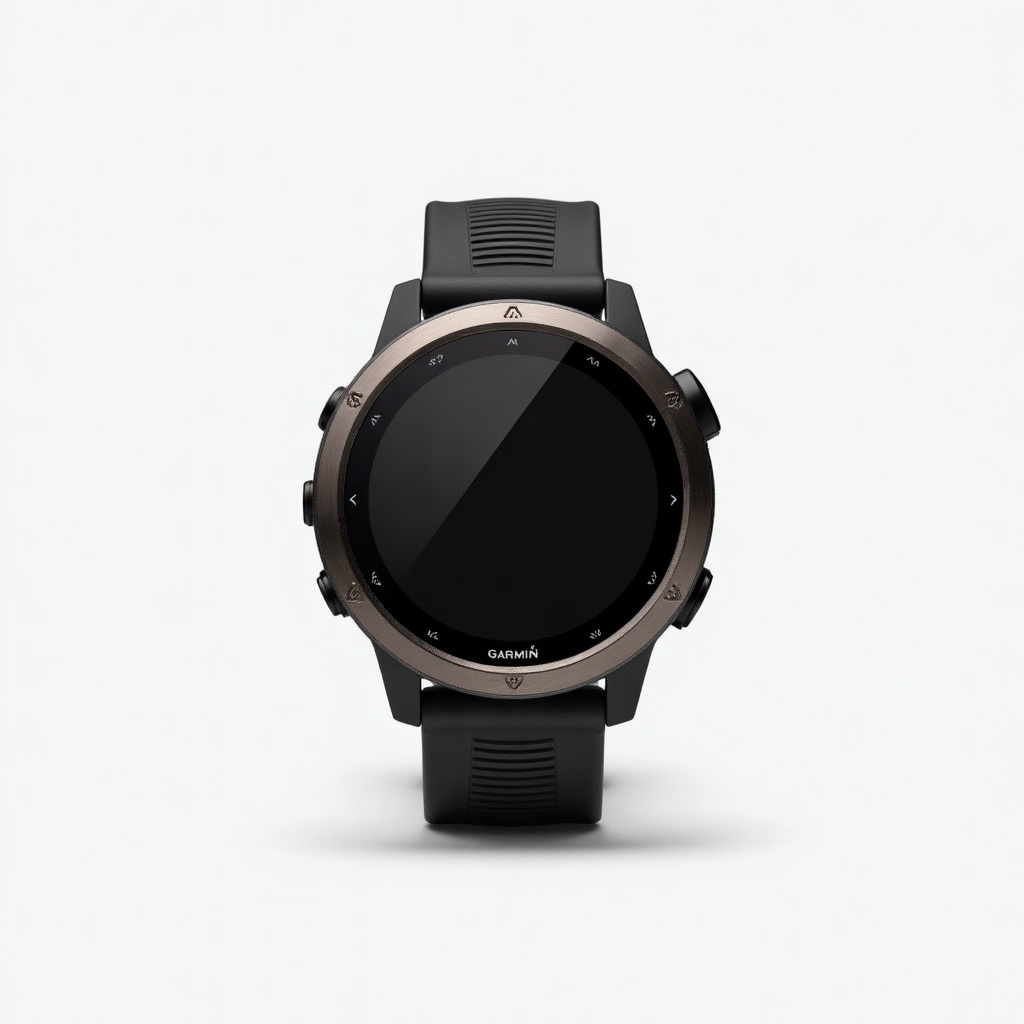
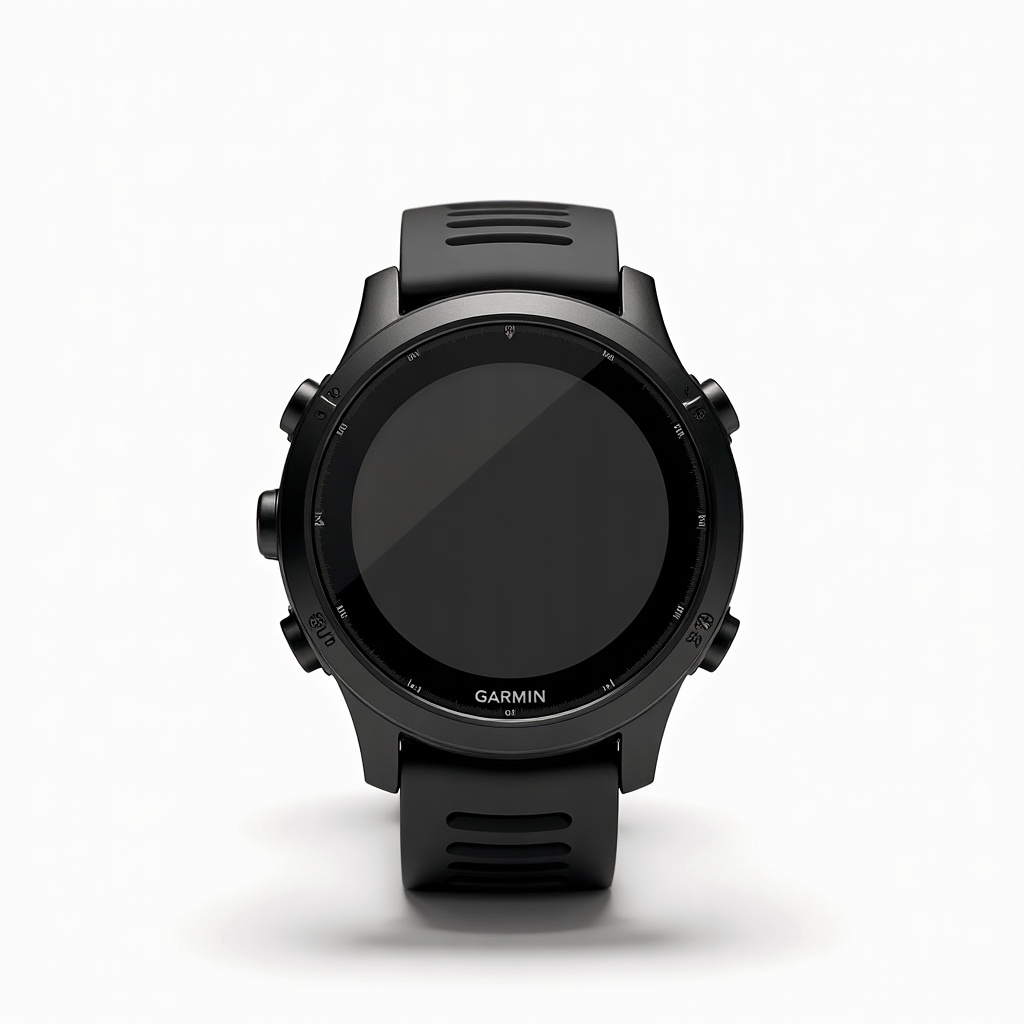
Garmin Instinct 2 Solar GPS Watch Review

Solar charging means weeks off-grid without a cable — built like a tank for the backcountry.
Solar charging is the headline, and it earns it. The Instinct 2 Solar can go weeks between cables on a multi-day trip, which is exactly what you want when there's no outlet for 50 miles.
What the Instinct 2 Solar actually is
This is Garmin's rugged, no-nonsense outdoor watch. It skips the flashy color touchscreen of the Fenix and Epix lines in favor of a monochrome, transflective display that you can read in blazing sun without a backlight. The body meets military-grade durability standards (MIL-STD-810) and is water rated to 100 meters. It looks chunky and plasticky, and that's the point. It's built to get banged against rock and shrugged off.
The Solar version adds a Power Glass lens that tops up the battery from sunlight. Pair that with GPS, a heart rate sensor, a barometric altimeter, and a compass, and you've got a tracker aimed squarely at hikers, climbers, and anyone who disappears off the grid for days at a time. Pricing usually lands in the $300 to $400 range on Amazon depending on size and color.
Battery life is the whole reason to buy it
Garmin claims the smaller model can run effectively unlimited in smartwatch mode with enough daily sun exposure, and owners back up the broad idea: in normal everyday use you can go weeks without a charger. That's the real-world payoff. You stop thinking about charging at all.
The catch is honesty about expectations. Solar extends battery life, it doesn't replace charging. GPS tracking still drains it fast, and indoor desk life gets you little sun. On a long backpacking trip with the watch logging your route all day, you'll stretch runtime dramatically compared to a non-solar watch, but you're not getting free infinite power. Treat solar as a buffer that turns a four-day battery into a week-plus one.
How it performs day to day
GPS lock is quick and the tracking is accurate for hiking, trail running, and general navigation. You get a breadcrumb trail and TracBack to retrace your steps, which is genuinely useful when a trail gets vague. The sensors (altimeter, barometer, compass) are reliable enough to trust for elevation and weather trend reads.
Sleep and heart rate tracking exist and are fine, not class-leading. The optical heart rate wanders during high-intensity intervals the way most wrist sensors do. Notifications, Garmin Pay on some models, and the Connect app round it out. The interface uses five physical buttons, no touchscreen, which feels old-school but works great with gloves and sweaty fingers.
The cons worth knowing
The display is the obvious compromise. It's low-resolution monochrome, and after living with a bright AMOLED watch it can feel like a step back in time. There's no built-in maps. You get breadcrumb navigation, not the full topo mapping the Fenix offers. If you want to see actual map detail on your wrist, this isn't it.
Music storage is missing on the standard Instinct 2 (you need the deariest variants for some features), and the plastic build, while tough, won't win style points at dinner. Solar gains also depend heavily on how much sun your wrist actually sees, so desk workers benefit less than full-time outdoor users.
Who should buy it, and who should skip it
Buy it if you spend real time outdoors and value battery life and toughness over a pretty screen. Hikers, hunters, climbers, and anyone heading somewhere without power should be very happy. It's also a smart pick if you want a Garmin that you basically never charge.
Skip it if you want onboard maps, a vibrant display, or a watch that doubles as a sleek everyday smartwatch. In that case spend more on a Fenix 7 or Epix, or look at a cheaper Forerunner if running is your main thing. The verdict: the Instinct 2 Solar is one of the best value rugged GPS watches out there, as long as you go in knowing it trades screen polish for endurance.
Frequently asked questions
- Does the Garmin Instinct 2 Solar really never need charging?
- In light everyday use with regular sun exposure it can effectively run indefinitely. But GPS tracking still drains it, so on long activity-heavy trips you'll eventually need a cable. Solar stretches battery life, it doesn't eliminate charging.
- Does the Instinct 2 Solar have maps?
- No. It offers breadcrumb navigation and TracBack to retrace your route, but not full topographic maps. If onboard mapping matters to you, step up to a Garmin Fenix or Epix.
- Is the Solar version worth it over the regular Instinct 2?
- If you spend a lot of time outdoors in daylight, yes. The longer battery life genuinely reduces charging anxiety on multi-day trips. Desk-bound users who rarely see direct sun will notice less benefit and could save money with the non-solar model.
Aaron digs into offers, cards, and software so you don't have to read the fine print. He flags the genuinely good deals and the traps.