Garmin inReach Mini 2 Satellite Communicator Review

Two-way texting and SOS from anywhere on Earth — even where cell bars give up.
When the cell bars vanish, this thumb-sized brick lets you text home and call for rescue. That peace of mind is the entire point.
What the inReach Mini 2 actually is
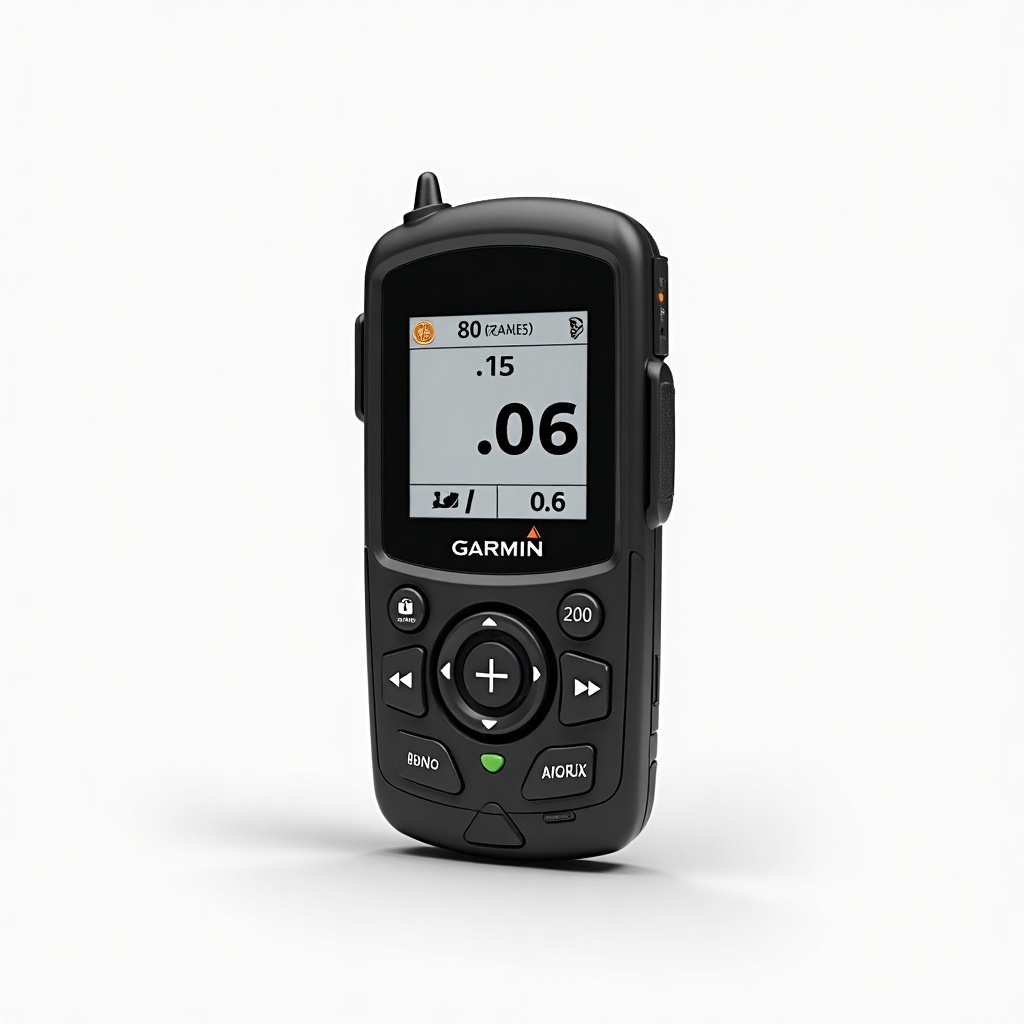
This is a satellite communicator, not a GPS map screen and not a phone replacement. It hooks into the Iridium network, which covers the entire planet, poles included. The job is simple. Send and receive text messages and trigger an SOS from places where your phone is a useless rectangle.
It's tiny. About 3.5 ounces and small enough to clip to a pack strap and forget about. The monochrome screen is basic, and you wouldn't want to type a long message on the device itself. The real workflow is pairing it with the Garmin Messenger or Explore app on your phone, where you tap out messages on a normal keyboard and the Mini 2 quietly relays them to space.
How it performs in the field
Battery life is the standout. Garmin rates it up to 14 days in 10-minute tracking mode, and owners back that up for multi-day trips without a recharge anxiety attack. It charges over USB-C now, which the original Mini didn't, and that change alone is worth the generational jump.
Messages aren't instant. Expect anywhere from under a minute to several minutes depending on sky view and terrain. Deep canyons and thick tree cover slow it down, as they do for every satellite device. SOS goes through Garmin's Response coordination center, which is the same backbone the company has run for years and the part you genuinely never want to test but want working. Navigation is bare-bones breadcrumb tracking and basic waypoints. If you want real maps, you're looking at a Montana or a phone app, not this.
The catch: the subscription
The hardware runs roughly $330 to $400, but the device is half the cost story. You need an active Garmin satellite plan to use it, billed monthly or annually, and the cheaper tiers limit how many custom messages you send before overage charges kick in. Budget for that ongoing fee before you buy.
Worth naming the competition here. Apple now bundles free Emergency SOS via satellite and basic Messages via satellite on recent iPhones, which dents the case for casual users who just want a panic button. The inReach still wins on two-way conversation reliability, global coverage, real tracking, and not depending on you keeping a phone charged and aimed at the sky.
Who should buy it, who should skip it
Buy it if you hike, ski, paddle, or drive far past cell coverage and want dependable two-way contact plus a real SOS. Solo adventurers, hunters, sailors, and anyone whose family worries when they're off-grid get the most value. It's also a smart pick for international travel into remote regions.
Skip it if you mostly stay within cell range or already carry a recent iPhone and only want emergency contact. The subscription doesn't make sense for one trip a year. And if you want maps and navigation on the same screen, this isn't your device. Get a handheld GPS or a phone app instead.
Verdict
The inReach Mini 2 is the default recommendation in this category for good reason. It's small, the battery lasts, USB-C fixed the biggest old complaint, and the SOS network is proven. The ongoing plan cost is the real friction, and iPhone satellite features have narrowed the gap for light users. For anyone who spends serious time out of range, it's an easy yes.
Frequently asked questions
- Does the Garmin inReach Mini 2 need a subscription?
- Yes. You need an active Garmin satellite plan to send messages and use SOS. Plans are billed monthly or annually, and lower tiers cap the number of custom messages before overage fees apply. Factor this into your budget.
- Does the inReach Mini 2 work without cell service?
- That's the whole point. It uses the Iridium satellite network for global coverage, so it works far beyond cell range, including remote backcountry, oceans, and polar regions. You just need a clear view of the sky.
- Is the inReach Mini 2 worth it over an iPhone's satellite SOS?
- For frequent off-grid users, yes. The inReach offers reliable two-way texting, global Iridium coverage, long battery life, and tracking that doesn't depend on your phone. iPhone satellite features are fine for occasional emergencies but more limited.
Daniel covers home, kitchen, and everyday-carry gear. He's a stickler for durability and value, and has no patience for overpriced hype.