Garmin GPSMAP 67 Handheld GPS Review

Rugged backcountry navigator with multi-band GPS and a battery that goes the distance off-grid.
If you want a GPS that survives a multi-day trip without a charge and locks onto satellites under tree cover, the Garmin GPSMAP 67 is the safe bet.
What the Garmin GPSMAP 67 actually is
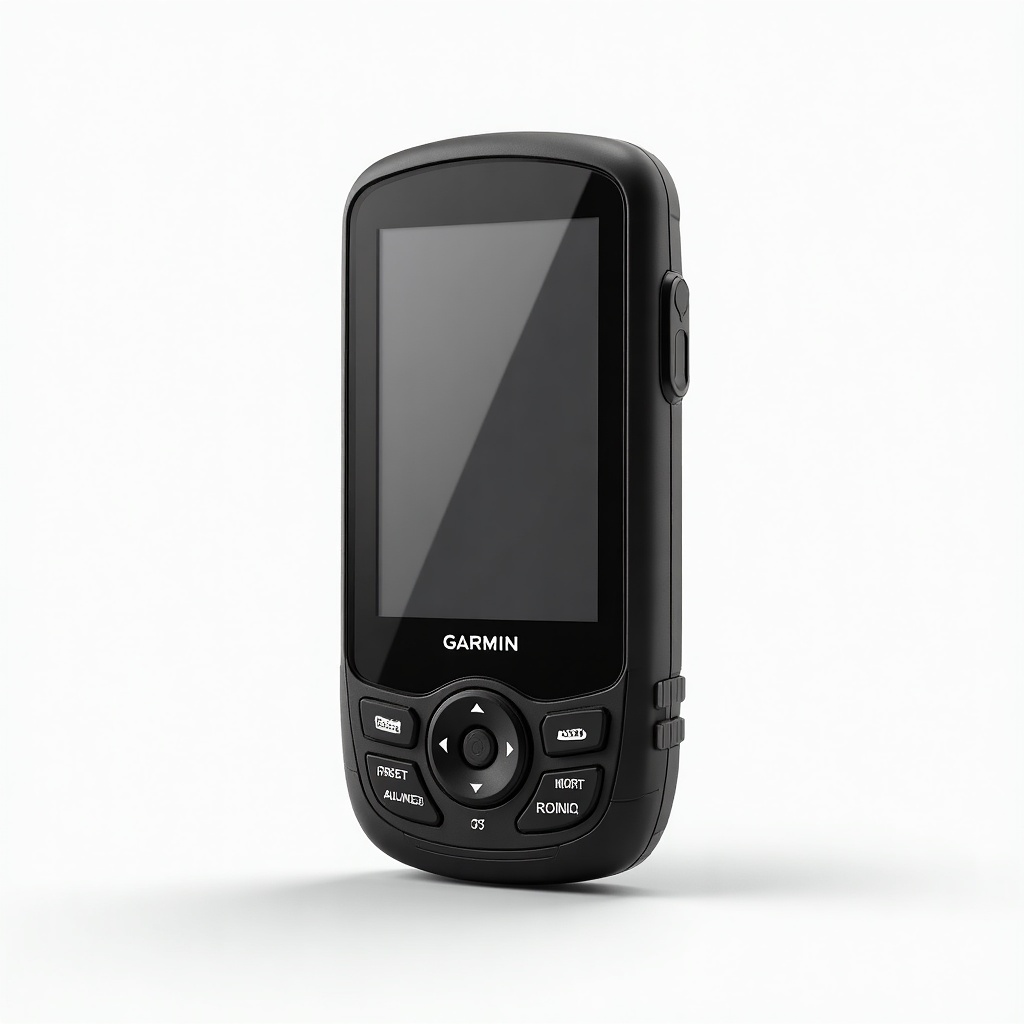
This is a dedicated handheld GPS, the boring-but-reliable kind that hunters, hikers, and search-and-rescue folks have leaned on for years. No touchscreen. You navigate with buttons, which sounds dated until you try poking a touchscreen with wet gloves at 20 degrees.
The headline upgrades over the older 66 are multi-band (multi-frequency) GNSS for tighter positioning and a battery rated up to around 180 hours in standard mode. It runs Garmin's long-established GPSMAP interface and pairs with the Garmin Explore app for trip planning. Expect to pay somewhere in the $500 to $600 range on Amazon.
How it performs in the field
The battery is the real story. Owners routinely report getting through long weekends and then some on a single charge, and you can run rechargeable AA cells as a backup if you'd rather carry spares than a power bank. That redundancy matters when you're days from an outlet.
Position accuracy is where the multi-band radio earns its keep. In canyons, dense forest, and other places that confuse a phone, the 67 holds a steadier fix and recovers faster. The 2.5 megapixel grayscale-ish color screen is small and dim by phone standards, but it's readable in direct sunlight, which is exactly when your phone turns into a mirror.
Day to day it's rugged and predictable. The buttons are tactile, the housing shrugs off rain and drops, and the menus haven't changed much in a decade, for better and worse. It's not fast or pretty. It just works.
The catch: no built-in communication
Read the model name carefully. The plain GPSMAP 67 has no satellite messaging. If you want SOS and two-way texting off-grid, you need the GPSMAP 67i, which folds in inReach and costs more, plus a subscription.
That's the decision most buyers wrestle with. The 67 navigates beautifully but can't call for help. If solo backcountry safety is the point, spend up for the 67i and don't look back.
Pros and cons
Pros: outstanding battery life with AA fallback, accurate multi-band reception under cover, sunlight-readable screen, glove-friendly buttons, and the kind of build that outlives the trip. Garmin's mapping and waypoint ecosystem is deep and well supported.
Cons: it's expensive for a button-driven device, the screen is small and low-resolution, the interface feels old, and the base model has no emergency communication. A modern phone with offline maps covers casual hikers for a fraction of the cost.
Who should buy it, and who shouldn't
Buy the GPSMAP 67 if you spend real time off-grid and need a navigator that won't die or lose signal when it counts. Hunters, long-distance hikers, backcountry hunters, and anyone working in remote terrain are the target audience. It's a tool, and it's a good one.
Skip it if your outdoor life is day hikes on marked trails and the occasional weekend trip. A phone with Gaia or onX and a battery pack does that job for far less. And if you want the SOS safety net, jump straight to the 67i instead of this model.
Verdict
The Garmin GPSMAP 67 is the dependable backcountry GPS to beat, mainly because of battery life and accuracy that phones still can't match deep in the wild. It's overkill for casual users and missing the messaging that serious solo travelers should want. Match the model to the trip and it's an easy recommendation.
Frequently asked questions
- What's the difference between the GPSMAP 67 and 67i?
- The 67i adds Garmin inReach satellite communication for two-way texting and SOS, which requires a subscription. The standard 67 navigates and tracks but cannot send messages or call for help.
- How long does the Garmin GPSMAP 67 battery last?
- Garmin rates it up to roughly 180 hours in standard GPS mode, and far longer in expedition mode. Real-world use varies, but it comfortably covers multi-day trips, and you can swap in AA batteries as backup.
- Is the GPSMAP 67 worth it over a phone GPS app?
- For deep backcountry use, yes, thanks to better battery life, sunlight readability, and multi-band reception under cover. For casual day hikes on trails, a phone with offline maps is usually enough and much cheaper.
Marcus has spent over a decade testing consumer tech and gadgets. He cares about whether a product earns its price in real life — not on a spec sheet.