Garmin Forerunner 265 GPS Running Watch Review

A gorgeous AMOLED running watch that tells you exactly how recovered you are before each workout.
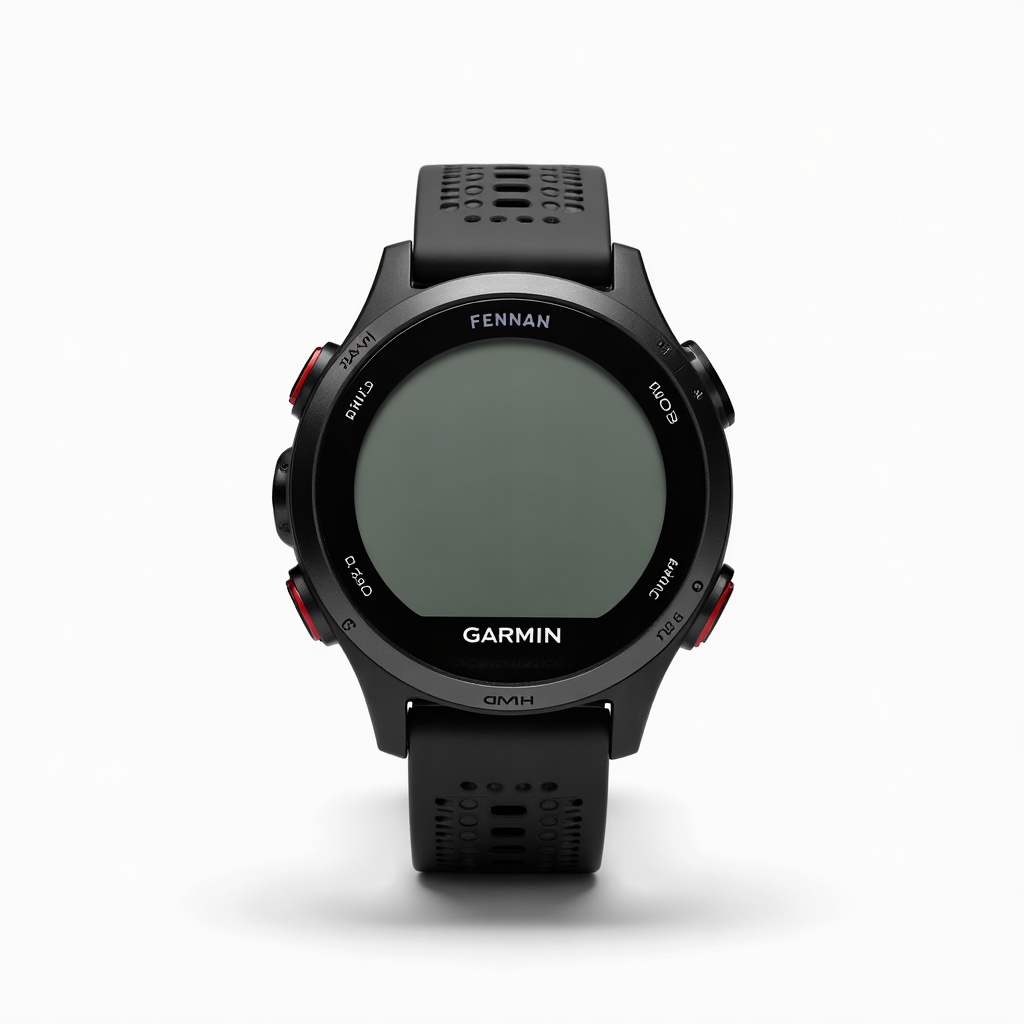
The Forerunner 265 finally puts a bright AMOLED screen on Garmin's mid-range running watch, and it tells you whether your body is ready to run before you lace up.
What the Garmin Forerunner 265 actually is
This is Garmin's mid-tier running watch, sitting above the budget Forerunner 165 and below the Forerunner 965 and the multisport Fenix line. The headline change from the older 255 is the screen. Garmin swapped the dim transflective display for a sharp, colorful AMOLED panel that looks like a modern smartwatch and not a calculator from 2009.
Underneath that screen is the same serious training brain Garmin is known for. You get multi-band GPS, a wrist heart rate sensor, Training Readiness, recovery time, VO2 max estimates, and the Body Battery energy tracker. It comes in two sizes, the 265 at 46mm and the 265S at 42mm, so smaller wrists aren't stuck with a hockey puck.
How it performs day to day
The standout feature in practice is Training Readiness. Each morning the watch hands you a score out of 100 based on sleep, recovery, recent training load, and HRV. It's not magic, but it's a genuinely useful nudge. A low score on a planned hard day is a reasonable signal to back off, and that kind of guidance used to be reserved for pricier devices.
GPS accuracy is a strong point thanks to the multi-band antenna, which holds up better in cities and under tree cover than single-band watches. Wrist heart rate is fine for steady runs and daily tracking, though like every optical sensor it lags during intervals. Serious interval runners should pair a chest strap. Owners widely praise the touchscreen plus button combo, which feels far nicer than fumbling with five buttons mid-run.
The catch with that gorgeous screen is battery. Garmin rates roughly 13 days in smartwatch mode and around 20 hours with GPS, but the always-on display eats into that hard. Turn on always-on and you'll be charging every few days instead of weekly. That's still better than an Apple Watch, just don't expect Garmin's legendary multi-week endurance here.
The good and the annoying
On the plus side: excellent multi-band GPS, a beautiful and bright screen, best-in-the-business training and recovery metrics, comfortable build, and a deep ecosystem with structured workouts, music storage, and Garmin Pay. Battery still beats most full smartwatches.
The downsides are real too. There's no built-in offline maps, which the more expensive Forerunner 965 includes. No barometric routing for navigation. The always-on display drains the battery fast. And the price creeps close to watches that do more. At $400 to $480, it's not cheap for a watch that's mostly about running and recovery.
Who should buy it, and who should skip it
Buy the 265 if you're a regular runner or triathlete who wants accurate GPS, smart recovery guidance, and a screen you'll actually enjoy looking at. It's the sweet spot in Garmin's lineup for people who train with intent but don't need topo maps.
Skip it if you mostly walk and want general fitness tracking, in which case the cheaper Forerunner 165 covers you for much less. Skip it too if you want full color maps for trail navigation, since the 965 is the better pick there. And if you live inside Apple's ecosystem and want notifications, apps, and calls front and center, an Apple Watch fits your life better than this does.
The verdict
The Forerunner 265 is the easiest Garmin to recommend to most runners right now. The AMOLED screen erases the biggest complaint about older Forerunners, and the training tools genuinely help you run smarter. You pay for that with shorter battery life and no onboard maps. For the majority of runners, that's a trade worth making.
Frequently asked questions
- Does the Garmin Forerunner 265 have maps?
- No. The 265 offers breadcrumb-style navigation and PacePro guidance but no full color topo maps. If you need offline maps for trail navigation, step up to the Forerunner 965.
- How long does the Forerunner 265 battery last?
- Garmin rates it at about 13 days in smartwatch mode and around 20 hours with GPS. Turning on the always-on display cuts that significantly, so expect to charge every few days with that enabled.
- Is the Forerunner 265 worth it over the cheaper 165?
- If you train seriously, yes. The 265 adds multi-band GPS, Training Readiness, and more advanced recovery metrics. Casual walkers and light runners can save money with the Forerunner 165.
Marcus has spent over a decade testing consumer tech and gadgets. He cares about whether a product earns its price in real life — not on a spec sheet.