Garmin Forerunner 165 Review

A bright AMOLED running watch with GPS, training plans, and battery that lasts for days.
Garmin finally put a bright AMOLED screen on an affordable running watch without gutting the features that make Forerunners worth owning. The result is the easiest watch in the lineup to recommend.
What the Forerunner 165 actually is
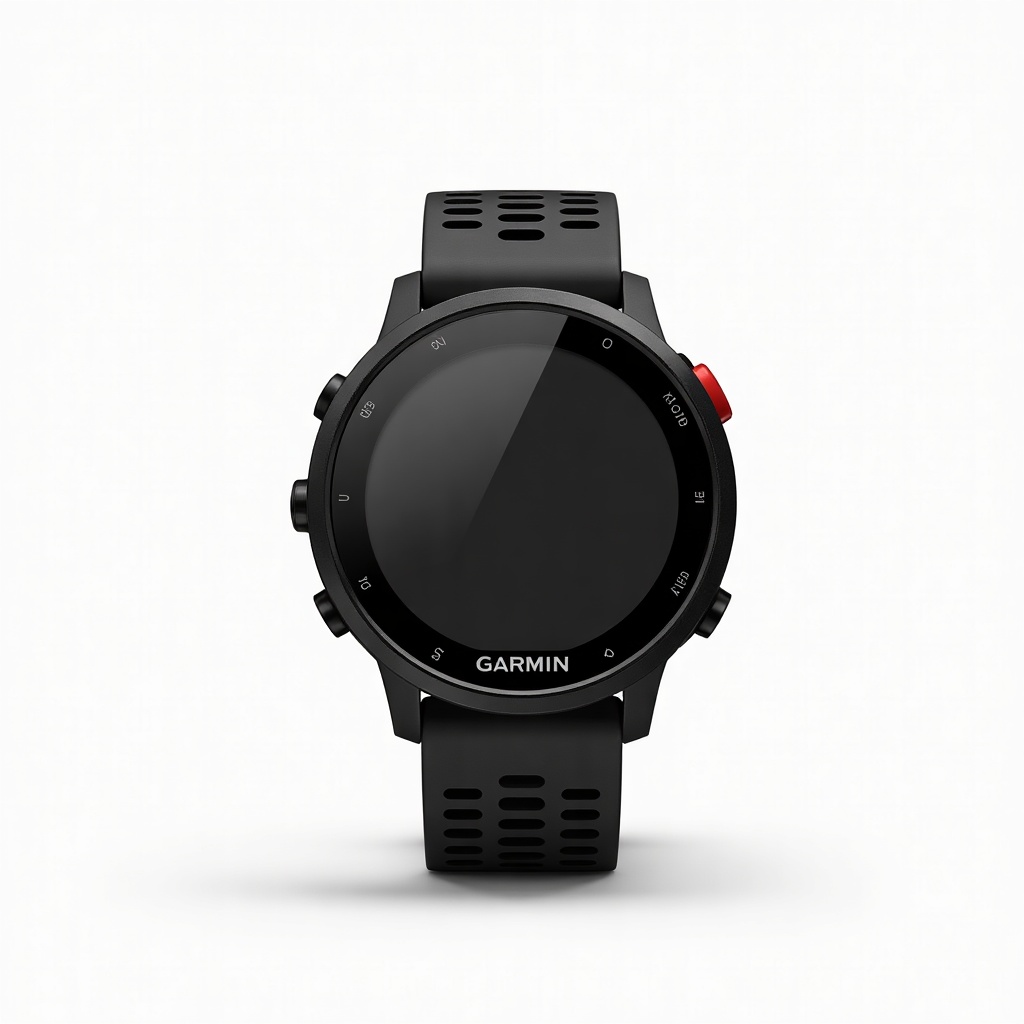
This is Garmin's entry-level running watch with a real running pedigree, sitting below the Forerunner 265 and 965. It costs somewhere in the $250 to $300 range depending on whether you grab the base model or the version with built-in music storage. For that money you get GPS, a colorful 1.2-inch AMOLED touchscreen, daily training suggestions, and Garmin's broader ecosystem of recovery and sleep tracking.
The headline change from the old Forerunner 55 is that screen. Older budget Garmins used dim memory-in-pixel displays that looked like a calculator from 2009. The 165 looks like a modern watch. That alone is why owners keep recommending it to friends who balked at spending $450 on a 265.
How it performs day to day
GPS lock is quick and accurate enough for the vast majority of runners. It uses a single-frequency GPS rather than the dual-band setup on the pricier 265 and 965, so if you run in dense downtown canyons or under heavy tree cover, you may see your track wander a few meters. For roads, parks, and most trails, it's fine. Heart rate from the wrist sensor is solid for steady efforts and a bit jumpy during intervals, which is true of basically every optical sensor.
Battery is the quiet strong point. Garmin rates it around 11 days in smartwatch mode and roughly 19 hours with GPS running. Real-world use lands close to that if you keep the always-on display off. Charge it once a week and forget about it. The training features punch above the price too. Daily Suggested Workouts, a morning report, sleep scoring, and recovery time give you genuine coaching, not just a step counter.
Where it gets stripped back: no maps, no ClimbPro for elevation profiles, no multiband GPS, and a smaller storage ceiling. The base model also drops onboard music, so spend the extra for the music version if you run phone-free with headphones.
Who it's for and who should skip it
Buy this if you're a beginner to intermediate runner who wants accurate pace, structured workouts, and a screen that doesn't look ancient. It's also a smart pick for anyone upgrading from a basic fitness band who wants real training data without paying flagship prices. New marathoners training off a plan will get plenty of use from the guided workouts.
Skip it if you want offline maps for trail navigation, multiband GPS for ultra-precise tracking, or triathlon and open-water swim modes. Those push you toward the Forerunner 265 or a Fenix. If you only walk and want notifications, a cheaper Forerunner 55 or even a Venu does the job for less.
The verdict
The Forerunner 165 is the best-value running watch Garmin makes right now. It takes the company's genuinely useful training tools and wraps them in a screen people actually want to look at, for a price that doesn't sting. The missing maps and single-band GPS are real cuts, but they're the right cuts for this tier.
For most runners, this is the one to get. Pay up for the 265 only if you specifically need dual-band accuracy or more onboard music. Everyone else can save the cash.
Frequently asked questions
- Does the Garmin Forerunner 165 have maps?
- No. It shows your route as a breadcrumb trail but has no full topographic or street maps. If turn-by-turn navigation matters to you, look at the Forerunner 965 or a Fenix instead.
- What's the difference between the Forerunner 165 and 165 Music?
- The Music version adds onboard storage so you can load songs from Spotify, Amazon Music, or Deezer and run with just your watch and headphones. The cheaper base model has no music storage and relies on your phone.
- How long does the Forerunner 165 battery last?
- Garmin rates it at about 11 days in smartwatch mode and roughly 19 hours with GPS active. Turning off the always-on display gets you closer to those numbers in real use.
Daniel covers home, kitchen, and everyday-carry gear. He's a stickler for durability and value, and has no patience for overpriced hype.