Garmin eTrex 32x Handheld GPS Review

Rugged trail GPS with preloaded topo maps and 25 hours on two AA batteries.
If you want a dedicated GPS that keeps working when your phone is dead and the trail signs ran out three miles ago, the eTrex 32x is the safe, boring, correct answer.
What the Garmin eTrex 32x actually is
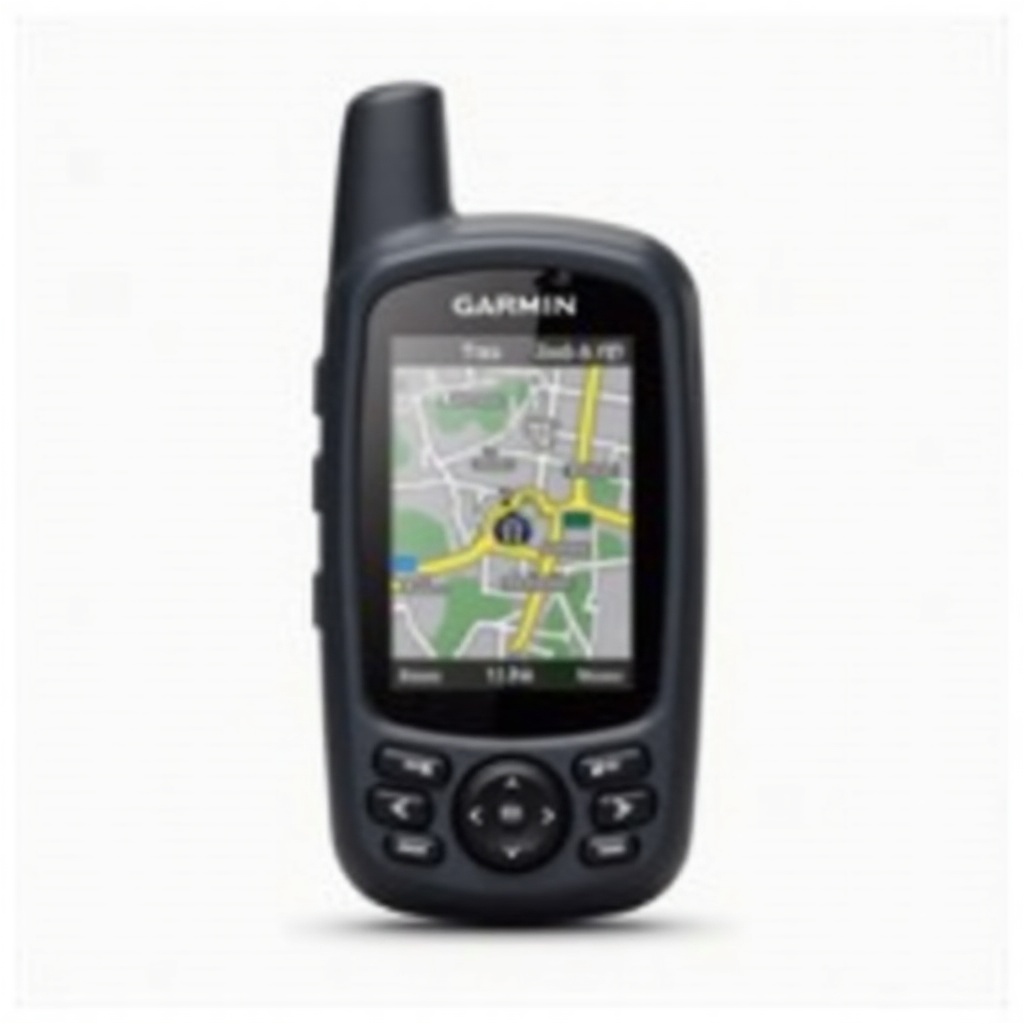
This is a small, rugged handheld GPS built for hiking, backcountry travel, and anywhere a phone gets nervous. It runs on two AA batteries, comes with preloaded TopoActive maps, and adds a barometric altimeter and a 3-axis compass over the cheaper eTrex 22x. The screen is a 2.2-inch color display you control with buttons and a tiny joystick, not a touchscreen.
Price floats in the $200 to $260 range depending on where you catch it. That's not impulse-buy money, but it's the going rate for a navigation tool that doesn't care about cell coverage and doesn't die when it gets cold or wet.
How it performs day to day
The headline feature is dull and wonderful: battery life. Owners consistently get close to the rated 25 hours on a set of AAs, and the fact that you can carry spares and swap them in seconds beats any rechargeable unit on a multi-day trip. No power bank babysitting. When the batteries die, you grab two more and keep moving.
Position accuracy is solid thanks to GPS plus GLONASS plus Galileo support, and the barometric altimeter gives you more reliable elevation readings than GPS alone. The catch is the interface. This is old-school Garmin. Menus feel like a flip phone, the screen is small and not especially bright, and the joystick is fiddly with gloves on. You will not enjoy plotting a complex route on this thing. You learn it once, then it fades into the background and just works.
The good and the annoying
On the plus side: it's genuinely tough, IPX7 water resistant, light enough to forget in a pack, and the AA battery system is the real selling point for anyone going off-grid for days. Preloaded topo maps mean it's useful out of the box, and you can add free maps or buy BirdsEye satellite imagery if you want more detail.
The downsides are predictable. The display is dim and dated next to a phone or a touchscreen Garmin like the GPSMAP 66 series. There's no real wireless connectivity for syncing routes painlessly, no live tracking, and no rechargeable battery option in the box. Map management through Garmin's software is clunky. None of this is a dealbreaker for the right person, but go in knowing this is a tool, not a gadget.
Who should buy it, and who should skip it
Buy it if you hike, hunt, or backpack and you want a dependable backup that never relies on a signal or a charger. It's ideal for multi-day trips where swappable AAs matter and for people who don't need fancy software. The price is fair for what it does.
Skip it if you mostly do well-marked day hikes near civilization. A phone with an offline maps app like Gaia or onX will be easier to use and you already own it. And if you want a big bright touchscreen and Bluetooth syncing, spend more on a Garmin GPSMAP 67 or pull out your phone. Don't pay handheld-GPS money for features you'll resent every time you press a button.
The verdict
The eTrex 32x is unglamorous and very good at its one job. It's not the unit to buy if you want a slick screen or modern conveniences, but for reliable navigation that runs all day on batteries you can buy at any gas station, it remains one of the easiest recommendations in the category. Set your expectations on usability and it'll earn its spot in the pack.
Frequently asked questions
- What's the difference between the eTrex 22x and 32x?
- The 32x adds a barometric altimeter and a 3-axis tilt-compensated compass. If you care about accurate elevation readings and a compass that works without moving, get the 32x. If not, the 22x saves you money and uses the same maps and battery system.
- Does the Garmin eTrex 32x need a cell signal or subscription?
- No. It uses satellites for positioning and comes with preloaded topo maps, so it works completely off-grid with no service and no subscription required.
- How long does the battery last?
- Roughly 25 hours on two AA batteries, and real-world use lines up with that. Because the batteries are user-replaceable, you can carry spares for unlimited range on long trips, which is a big edge over rechargeable units.
Marcus has spent over a decade testing consumer tech and gadgets. He cares about whether a product earns its price in real life — not on a spec sheet.