Bowflex SelectTech 840 Adjustable Kettlebell Review

Six kettlebells in one — dial weight from 8 to 40 lbs without cluttering your floor.
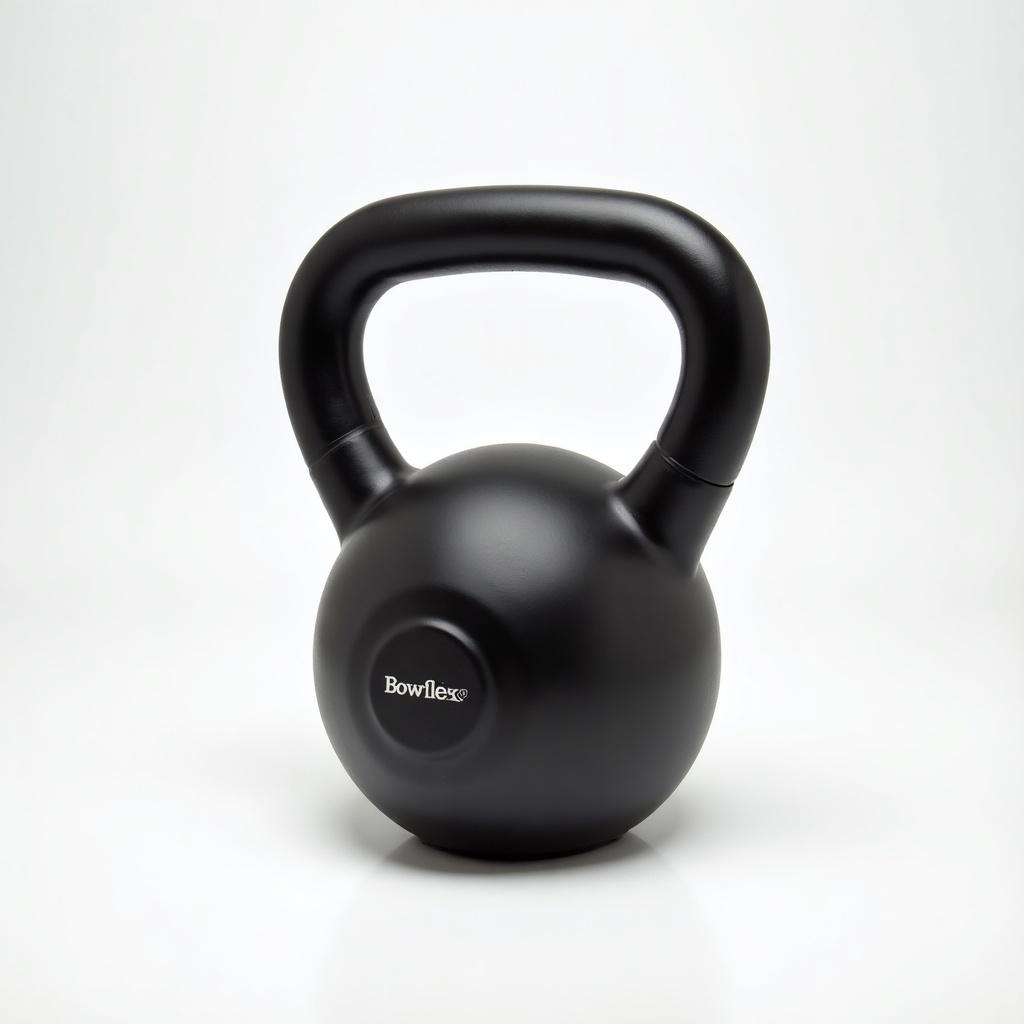
One kettlebell that swaps from 8 to 40 pounds with a dial, so a single handle replaces a rack of six. For anyone working out in a spare bedroom, that's the whole pitch.
What the Bowflex SelectTech 840 actually is
It's six kettlebells crammed into one shell. You set a dial on the base and lift out the weight you picked: 8, 12, 18, 25, 35, or 40 pounds. The unused plates stay docked in the cradle. That's it. The appeal is purely about space and money, since buying six individual cast-iron kettlebells costs more and eats a corner of your room.
The build is a plastic outer shell over the steel weight plates. The handle is wide enough for two hands, which matters for swings and goblet squats. At the bottom of the range it feels a touch bulky for an 8-pound bell, because the housing stays the same size no matter what you select.
How it performs day to day
For the bread-and-butter kettlebell moves, swings, goblet squats, deadlifts, presses, it does the job. Switching weight takes a few seconds, which is the real win for circuits where you want to drop from 35 down to 18 between exercises without owning a whole rack.
The catch owners flag most often: you have to seat the bell fully in the base before the dial will turn, and the plates can rattle slightly mid-swing if you're not used to the feel. It's also not a true competition kettlebell. The center of gravity sits a little differently because of the housing, so purists chasing perfect form on cleans and snatches will notice.
And then there's the elephant in the room: you cannot drop this thing. The plastic shell and the dial mechanism are not built to survive being slammed on the floor the way a cast-iron bell shrugs off. Treat it gently on the descent. That single rule shapes whether this is right for you.
The good and the annoying
Pros: it genuinely saves space, the dial is fast, the 8-to-40 range covers most home training, and one purchase beats buying six bells. The wide handle is comfortable for two-handed work.
Cons: you can't drop it, the jumps between weights are uneven (the gap from 8 to 12 to 18 isn't smooth), the housing makes lighter settings feel clunky, and the price sits in awkward territory. At roughly $130 to $180 it's not cheap for a single tool, even if it replaces several.
Who should buy it, and who shouldn't
Buy it if you train at home in a small space, do controlled kettlebell circuits, and want to stop tripping over a row of bells. It's ideal for general fitness, mobility work, and anyone who values floor space more than absolute durability.
Skip it if you do explosive Olympic-style kettlebell sport, if you're prone to dropping weights, or if you already know you only ever use one or two loads. In that case two fixed cast-iron bells are cheaper and tougher. Heavy lifters will also outgrow the 40-pound ceiling fast.
The verdict
The SelectTech 840 solves a real problem for home gyms: clutter. It's a smart, convenient tool that most casual-to-intermediate users will be happy with, as long as they respect the no-dropping rule. It isn't the bell for serious kettlebell athletes or anyone rough on their gear. For everyone squeezing a workout into a bedroom corner, it earns its spot.
Frequently asked questions
- Can you drop the Bowflex SelectTech 840 kettlebell?
- No. The plastic housing and dial mechanism aren't built to survive being dropped or slammed. You need to lower it under control, which makes it a poor fit for explosive drops and ballistic training where you'd normally let a bell hit the floor.
- What weights does the SelectTech 840 adjust to?
- It dials between six settings: 8, 12, 18, 25, 35, and 40 pounds. The jumps are uneven, so it's not a smooth progression, but the range covers most general home workouts.
- Is it worth it compared to individual kettlebells?
- If you'd otherwise buy three or more bells and you're short on space, yes. At around $130 to $180 it pays off versus stocking a full set. If you only use one or two loads, two cast-iron kettlebells are cheaper and far more durable.
Marcus has spent over a decade testing consumer tech and gadgets. He cares about whether a product earns its price in real life — not on a spec sheet.