Black Diamond Trail Trekking Poles Review

Lightweight aluminum poles that save your knees on every descent.
These are the poles that quietly save your knees on a steep descent and don't ask much in return. For most hikers, they're the right answer at the right price.
What the Black Diamond Trail poles actually are
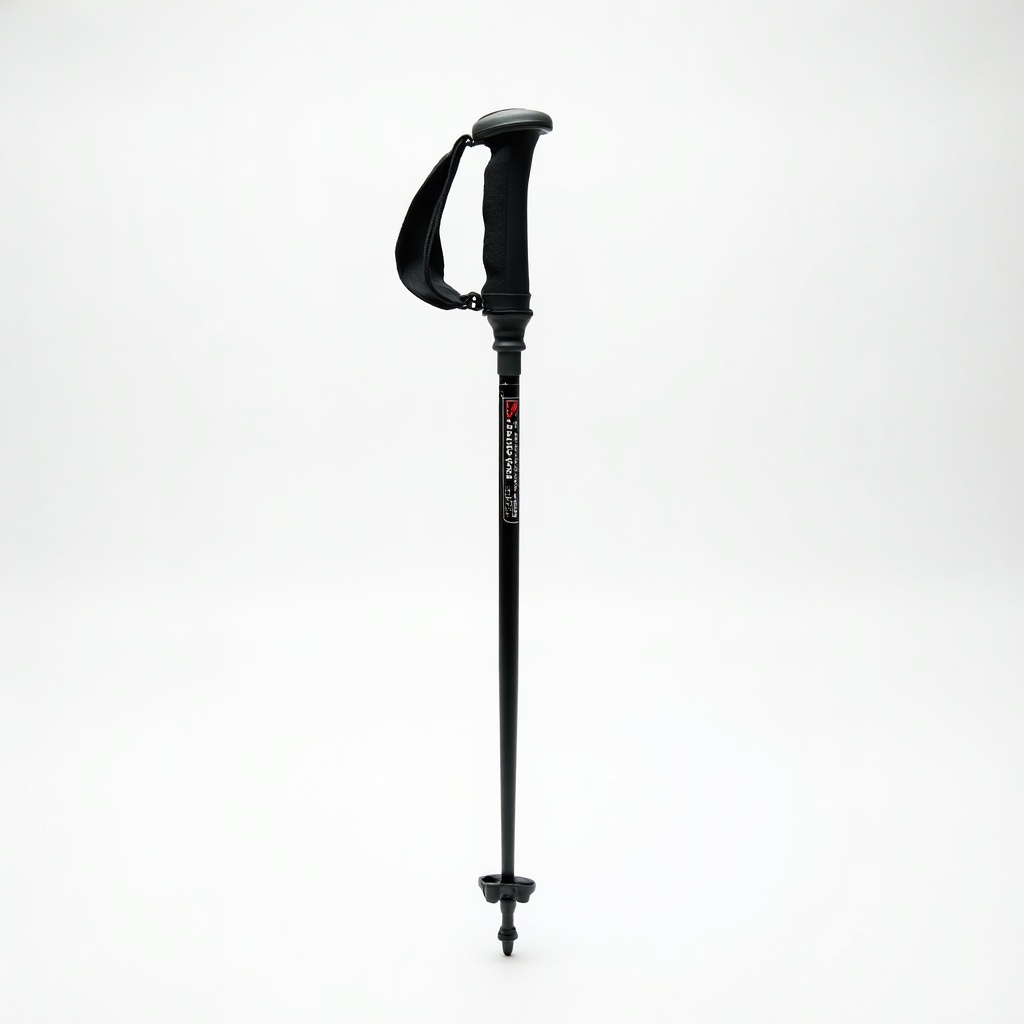
This is Black Diamond's bread-and-butter aluminum trekking pole, sitting in the $70 to $100 range depending on color and sales. Three-section telescoping design, FlickLock external locks, foam grips, and a wrist strap. No carbon, no fancy suspension, no internal cord. That's the whole pitch, and it's a good one.
Aluminum is the key word. These weigh a bit more than carbon poles, but they bend before they snap, which matters when you catch a tip between two rocks and put your full body weight on it. Carbon poles in this price bracket tend to shatter in that scenario. The Trail won't.
How they perform on the trail
The descent is where they earn their keep. Plant, load, step down, repeat. On a long downhill with a loaded pack, the poles take a real chunk of the impact off your knees, and that's the entire reason most people buy trekking poles in the first place. The Trail does that job without drama.
The FlickLock mechanism is the part owners rave about, and rightly so. It's an external cam lever you can tighten with a small screw if it ever starts slipping. No twisting, no guessing, no poles collapsing mid-stride because you under-tightened an internal lock. You can adjust them with gloves on in the cold. Cheaper twist-lock poles can't say that.
The foam grips are comfortable and handle sweat better than cork or rubber, and they extend a little down the shaft, which is handy on quick traverses when you want to choke down without re-adjusting the length. The carbide tips bite into dirt and ice fine. The included baskets are basic but swappable for snow baskets if you head into winter.
The honest downsides
They're not the lightest poles you can buy. At roughly a pound for the pair, you'll notice them next to a sub-12-ounce carbon set if you're counting grams for a thru-hike. Ultralight crowd, look elsewhere.
Three sections means a longer packed length than a folding Z-pole. They'll stick out of a daypack and they don't disappear into luggage as neatly as Black Diamond's own Distance folding line. And the basic version has no shock absorption, so if you specifically want anti-shock springs for cranky wrists, that's a different model.
Who should buy them, and who shouldn't
Buy these if you're a day hiker, weekend backpacker, or someone whose knees complain on downhills. They're durable, easy to live with, and priced so you won't cry if they get scratched up. For a first pair of poles, this is the one to get.
Skip them if you're a gram-counting ultralighter (go carbon), if packed size is your top priority (get a folding Z-pole), or if you need built-in anti-shock. Everyone else is well served here.
The verdict
The Black Diamond Trail is the default recommendation for a reason. It's tough, the FlickLock system is genuinely better than the twist locks on cheaper poles, and the price keeps it sensible. You're trading a few ounces for reliability, and that's a trade most hikers should make happily.
If you want one pair of poles that just works for years of regular trail use, this is our pick.
Frequently asked questions
- Are aluminum trekking poles better than carbon?
- For durability, yes. Aluminum poles like the Trail bend instead of shattering under heavy side loads, which makes them more forgiving on rocky terrain. Carbon wins on weight, so if you're prioritizing the lightest possible setup over toughness, go carbon.
- What is FlickLock and is it reliable?
- FlickLock is Black Diamond's external lever-clamp locking system. It's widely considered more dependable than internal twist locks because it doesn't slip as easily, works with gloves, and can be tightened with a small screwdriver if it ever loosens over time.
- How long should my trekking poles be?
- Set them so your elbow sits at roughly 90 degrees when the tip is on the ground on flat terrain. Shorten them slightly on climbs and lengthen them on descents. The Trail's adjustable sections make that easy to dial in on the fly.
Marcus has spent over a decade testing consumer tech and gadgets. He cares about whether a product earns its price in real life — not on a spec sheet.