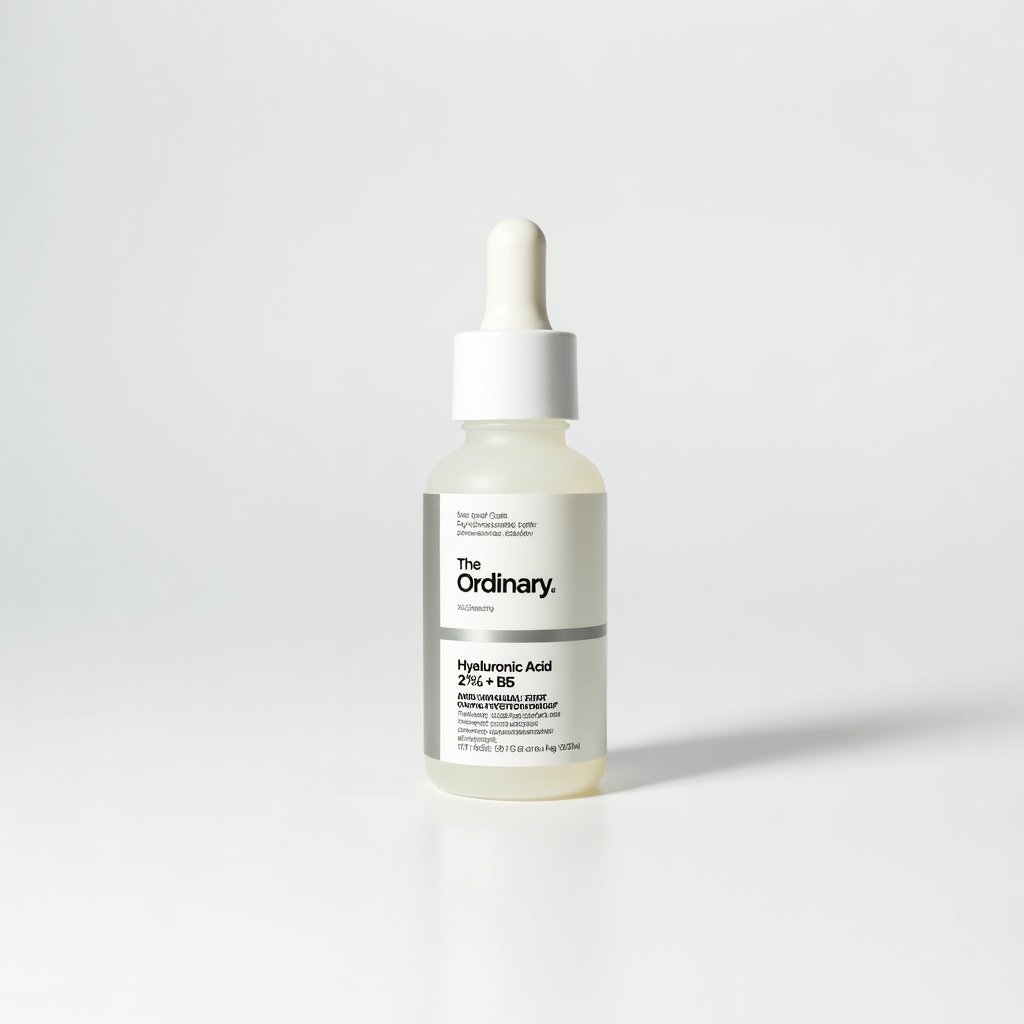
The Ordinary Hyaluronic Acid 2% + B5 Review

A drink of water for thirsty skin that plumps fine lines for the price of a sandwich.
For under $15, this is the cheapest way to put a noticeable plump back into dehydrated, dull-looking skin. It won't fix wrinkles, but it makes them look softer for a while.
What it actually is
This is a water-based hydrating serum built around hyaluronic acid, a humectant that pulls moisture into the upper layers of skin. The Ordinary uses a mix of low, medium, and high molecular weight HA so it can sit on the surface and sink a bit deeper, plus vitamin B5 (panthenol) to help with the soothing, plumping effect. It's not an anti-aging treatment. It's a hydration step.
The whole appeal here is price-to-payoff. Most hyaluronic serums from the likes of Vichy, La Roche-Posay or SkinCeuticals run two to ten times the cost for a similar core function. This one lands in the $8 to $15 range and has spent years as one of Amazon's best-selling serums for a reason: it does the basic job and costs roughly what you'd spend on lunch.
How it performs day to day
Owners consistently report the same thing. Skin looks fuller, smoother and a little more bouncy after a few minutes, and fine lines from dehydration become less obvious. Applied to damp skin and sealed with a moisturizer on top, it's a reliable hydration boost. Use it that way and it earns its spot.
The catch is texture. This is a thick, slightly tacky gel. A few drops is plenty; people who pour on a dropperful end up with a sticky film that pills under sunscreen or makeup. Pat it in, wait, then layer. There's also the well-known dry-climate problem: in low humidity, hyaluronic acid can pull water from your skin instead of the air, so always trap it with a cream. Skip that step and it can leave skin feeling tighter, not softer.
Pros and cons
The wins: dirt-cheap, fragrance-free, vegan, and effective at simple hydration. The 30ml bottle lasts months because you need so little. It plays nicely in a routine alongside actives like retinol or vitamin C, slotting in as the watery middle step. For a first serum or a no-drama hydrator, it's hard to argue with.
The downsides: that gummy texture, the pilling risk, and a packaging gripe. The basic version ships with a dropper, which is fine, though some batches feel watery and some feel thick. A small number of users find any HA serum makes congested skin feel heavier. And to be blunt about the name, 2% is the marketing star but more HA isn't automatically better for skin.
Who should buy it, who should skip
Buy it if your skin feels tight, looks dull, or you want a cheap, fragrance-free hydration layer to add under moisturizer. It's ideal for beginners who don't want to gamble $40 on a first serum, and for anyone building a routine on a budget.
Skip it if you want active anti-aging results, since this won't smooth real wrinkles or fade dark spots. Reach for a retinoid or a vitamin C for that. Skip it too if you hate sticky textures or live somewhere very dry and won't commit to sealing it with cream, because then it can backfire.
The verdict
The Ordinary Hyaluronic Acid 2% + B5 is one of the easiest skincare recommendations to make. It's not exciting and it won't transform your face. What it does is hydrate well for almost no money, which is exactly what a hydrating serum should do. Apply it to damp skin, use a little, seal it in, and it delivers far above its price.
Frequently asked questions
- How do you use The Ordinary Hyaluronic Acid 2% + B5?
- Apply a few drops to clean, slightly damp skin morning and night, before heavier creams and oils. Always follow with a moisturizer to lock the hydration in, especially in dry climates where HA can otherwise pull water out of your skin.
- Does it cause pilling?
- It can if you use too much or layer it too fast. Use only a few drops, pat it in, and let it absorb before applying sunscreen or makeup. The tacky texture is the main complaint, and a lighter hand fixes most of it.
- Is this enough for anti-aging?
- No. It hydrates and temporarily plumps fine lines caused by dryness, but it won't treat true wrinkles, sun damage or texture. For that you'd want a retinoid or vitamin C. Think of this as a supporting hydration step, not a treatment.
Aaron digs into offers, cards, and software so you don't have to read the fine print. He flags the genuinely good deals and the traps.