
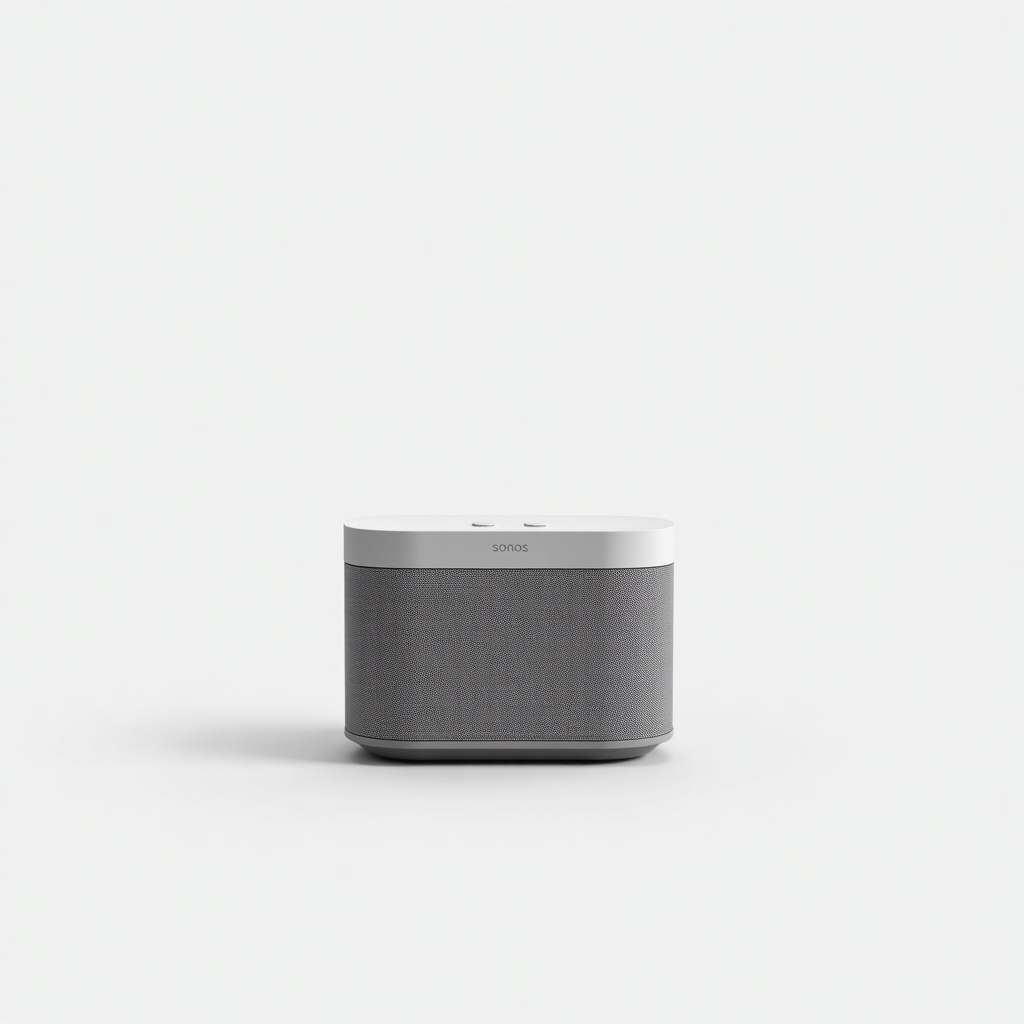
Sonos Sub Mini Review

Compact subwoofer that adds real, room-filling bass to your Sonos setup.
The Sonos Sub Mini takes a thin-sounding soundbar or stereo pair and gives it a real low end, without the size or sticker shock of the full-size Sub.
What the Sonos Sub Mini actually is
It's a small, cylinder-shaped wireless subwoofer that pairs with the rest of the Sonos ecosystem. Think Beam, Ray, the Era 100, or a stereo pair. It runs around $400 to $450 at Amazon, which slots it well under the bigger Sonos Sub that costs roughly double.
The design is the talking point. Two opposing 6-inch woofers fire inward into a sealed core, which cancels out a lot of the cabinet rattle cheaper subs are known for. It stands about 12 inches tall and disappears next to a couch or behind a chair. No exposed ports, no rumble traveling through your floor to annoy the neighbors.
How it performs day to day
Owners consistently report the same thing: the difference is obvious the second you turn it on. A Beam on its own handles dialogue and midrange fine, but it physically can't move enough air for explosions, bass lines, or the low thud of a movie score. The Sub Mini fills that gap. Action movies get weight. Bass-heavy music stops sounding hollow.
It is not the full Sonos Sub. The big one digs deeper and hits harder, and if you have a large open-plan living room or you want your floor to shake during a Christopher Nolan movie, you'll notice the Mini topping out. In a normal bedroom, apartment, or mid-size living room, that ceiling rarely matters. The Sub Mini tunes itself to your room through the Sonos app, and Trueplay (on supported phones) genuinely helps it blend with the soundbar instead of sounding like a separate box thumping in the corner.
The good and the annoying
On the plus side: setup is about as easy as audio gear gets. You plug it in, it shows up in the app, you assign it to your soundbar, done in a couple of minutes. The compact size is a real selling point, and the cancelling-woofer design keeps it tidy and rattle-free.
The downsides are the usual Sonos ones. It only works inside the Sonos system, so if you ever leave the platform it becomes a paperweight. It connects over WiFi rather than a wire, which is convenient but ties you to a stable network. And the price stings for what is, technically, a small sub. You're paying for the integration and the looks as much as the driver.
Who should buy it, and who shouldn't
Buy it if you already own a Sonos soundbar or speaker and the sound feels thin. This is the single best upgrade you can bolt onto a Beam or Ray, full stop. It's also the right call for apartments and smaller rooms where the full Sub would be overkill and too loud for the walls.
Skip it if you have a big room and crave maximum slam. Spend the extra on the regular Sonos Sub instead. Skip it too if you're not committed to Sonos, or if you only listen to podcasts and dialogue-heavy TV where a sub adds little. And if your soundbar is a non-Sonos brand, this won't pair with it at all.
The verdict
The Sonos Sub Mini is the easy recommendation for most Sonos owners who want better bass without dominating the room. It's not cheap and it's not the deepest sub out there, but it does exactly what it promises and it does it cleanly. For a Beam or stereo pair, it's the upgrade that makes the rest of the system sound twice as expensive.
Frequently asked questions
- Is the Sonos Sub Mini worth it over the regular Sonos Sub?
- For most people in small to mid-size rooms, yes. The Sub Mini costs about half as much and blends beautifully with a Beam or Ray. Go for the full Sub only if you have a large room and want serious low-end impact.
- What works with the Sonos Sub Mini?
- It pairs with Sonos soundbars like the Beam and Ray, and with speakers like the Era 100 and One in a stereo setup. It does not work with the Arc, which uses the larger Sub, and it won't connect to non-Sonos products.
- Does the Sub Mini connect wirelessly?
- Yes. It links to your soundbar or speakers over your home WiFi, so the only cable you deal with is power. Setup runs through the Sonos app and takes a couple of minutes.
Daniel covers home, kitchen, and everyday-carry gear. He's a stickler for durability and value, and has no patience for overpriced hype.