Sonos Era 100 Smart Speaker Review

Room-filling stereo sound that's genuinely smart — and the easy start of a whole-home system.
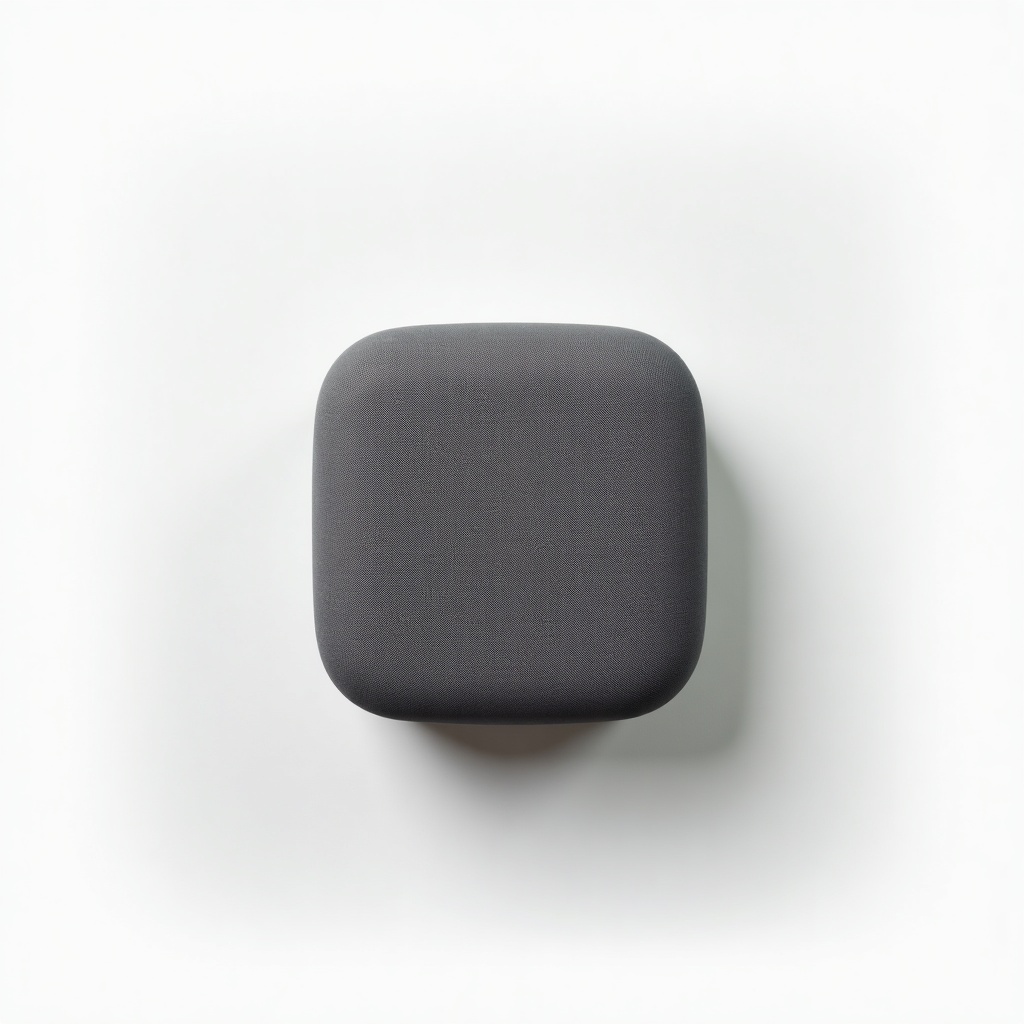
The Era 100 gives you genuinely big, room-filling stereo sound from a speaker the size of a coffee canister. It's also the cheapest sensible way into a Sonos system you'll keep adding to.
What the Sonos Era 100 actually is
This is the replacement for the old Sonos One, and it's a meaningful upgrade rather than a fresh coat of paint. Inside you get two angled tweeters for actual stereo separation and a bigger mid-woofer, which is the whole reason it sounds wider and punchier than the speaker it replaced. Price lands around $220 to $250 at Amazon.
It's a Wi-Fi speaker first, so it lives in the Sonos app alongside any other Sonos gear you own. New here: Bluetooth, finally, plus a USB-C line-in (with the right adapter) for plugging in a turntable or anything else. Voice control works through Amazon Alexa or Sonos's own voice assistant. Google Assistant is gone, which matters if you're deep in that ecosystem.
How it sounds day to day
For one small box, the Era 100 throws a surprisingly large sound. Owners consistently praise how full it gets at low and medium volume, where a lot of compact speakers go thin. Bass is warm and present without rattling the shelf. The stereo tweeters give you a bit of actual left-right spread, which an Apple HomePod mini or an Echo simply can't do from a single unit.
Trueplay tuning measures your room and adjusts the sound, and on iPhone it uses the phone's mic for a more thorough sweep. Android gets a simpler version using the speaker's own mics. It's not subtle. Rooms with hard floors and glass benefit the most. Push it to max volume and it can sound a touch compressed, like most speakers this size, but for kitchens, bedrooms, and offices it has more than enough.
One speaker is mono-ish despite the dual tweeters. Buy two and stereo-pair them and the difference is dramatic. That's the real Sonos pitch, and it works.
The catches worth knowing
The Sonos app is the asterisk on this whole product. A major redesign in 2024 was widely panned, and while it's been patched repeatedly, plenty of owners still find setup and everyday control more fiddly than it should be. If you want plug-it-in-and-forget reliability, go in with patience.
Other gripes are smaller. There's no analog line-in cable in the box, so the turntable crowd needs to buy the USB-C adapter separately. And Sonos locks you into its world. These speakers don't natively group with non-Sonos Wi-Fi speakers, so once you start, you tend to stay.
Who should buy it, and who shouldn't
Buy the Era 100 if you want one great-sounding speaker now with a clear path to a whole-home setup later. It's the right starting point for most people building Sonos, and it's a strong fit for anyone who already owns a Sonos soundbar and wants matching rear surrounds eventually.
Skip it if you're locked into Google Assistant, or if you just want a cheap voice speaker for timers and weather. An Echo or Nest Audio costs far less and does that fine. And if you crave the absolute most bass for music, the larger Era 300 or a stereo pair will scratch that itch better.
The verdict
The Era 100 is the smart speaker we'd recommend to most buyers who care about sound. It punches well above its size, sets up the rest of a Sonos system nicely, and finally adds Bluetooth and line-in. The clunky app keeps it from being a slam dunk, but the audio earns the price. Buy two if you can swing it.
Frequently asked questions
- Is the Sonos Era 100 better than the Sonos One?
- Yes. The Era 100 adds a second tweeter for real stereo separation, a bigger woofer, Bluetooth, and a USB-C line-in. It sounds noticeably fuller than the One it replaced.
- Does the Sonos Era 100 work with Google Assistant?
- No. It supports Amazon Alexa and Sonos Voice Control, but Google Assistant is not available on the Era 100. If you rely on Google, this is a real drawback.
- Can you use two Era 100 speakers as a stereo pair?
- Yes, and it's worth it. Pairing two Era 100s gives you true left-right stereo and a much bigger soundstage. It's the best way to get the most out of them for music.
Daniel covers home, kitchen, and everyday-carry gear. He's a stickler for durability and value, and has no patience for overpriced hype.