
Sennheiser HD 560S Open-Back Headphones Review

Reference-tuned open-backs that reveal detail audiophiles chase for under $200.
If you want to actually hear what's in your music instead of a flattering version of it, the HD 560S delivers studio-grade clarity for the price of a decent pair of sneakers.
What the Sennheiser HD 560S actually is
These are open-back, reference-tuned headphones built for one job: showing you the recording, warts and all. Sennheiser aimed them at people who care about accuracy over hype, and the tuning leans neutral with a slight emphasis up top that pulls fine detail forward. The price floats somewhere in the $150 to $200 range depending on sales.
Open-back means the ear cups are vented, so sound leaks out and the world leaks in. That design choice is the whole point. It gives the HD 560S a wider, more natural soundstage than closed cans at this price, and it's also why these are a terrible idea on a train. More on that below.
How they perform day to day
The reputation is well earned. Owners consistently describe the sound as clean, fast, and honest, with tight bass that goes deep when the track asks for it but never bloats. Vocals and acoustic instruments sit in clear space. Imaging is genuinely good, so picking out individual elements in a busy mix is easy.
The flip side of neutral tuning is that bad recordings sound bad. A 128kbps stream or a loudness-war pop master will reveal its flaws. That's the headphone doing its job, not failing. If you want every song to sound exciting and warm, look elsewhere.
They're an easy 120-ohm load, which means most phones and laptops can drive them to a listenable volume. A modest dongle DAC or a $100 amp tightens things up and gives you headroom, but you don't need a desktop stack to enjoy these. Comfort is light and the clamp is gentle, the kind you forget you're wearing over a long session. The build is mostly plastic and looks plain, which keeps the cost where it belongs.
The pros and cons, straight
Pros: reference-grade detail and accuracy that competes with headphones costing twice as much, a wide and convincing soundstage, light comfortable fit, an easy-to-drive 120-ohm design, and a long 3-meter cable with a 6.3mm jack plus a 3.5mm adapter in the box.
Cons: zero isolation and noticeable sound leak, so coworkers and seatmates will hear your music. The bass is accurate rather than fun, bassheads will want more. The plastic chassis feels its price, and the included cable is long enough to trip over at a desk. There's no carrying case or detachable balanced cable option in the standard kit.
Who should buy it and who should skip it
Buy these if you mostly listen at home, want to hear mixes accurately, dabble in mixing or mastering, or you're stepping up from gaming or consumer headphones and want your first taste of real audiophile sound. They're a fantastic entry into the hobby and one of the safest sub-$200 recommendations going.
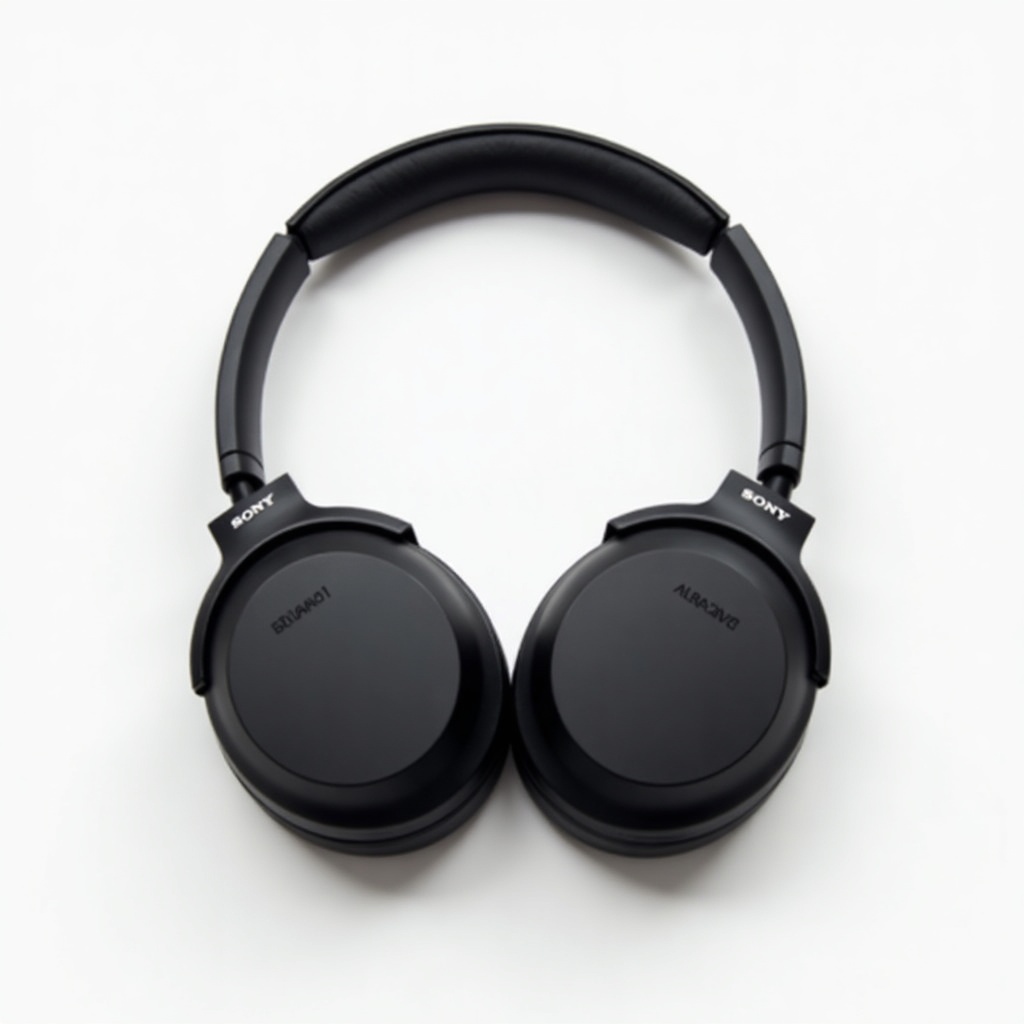
Skip them if you commute, work in an open office, or want bass that thumps. Get closed-backs like the Sony WH-1000XM5 for travel or a more bass-forward set if punch matters more than precision. Also skip if you expected premium materials. The sound is the luxury here, not the housing.
The verdict
The HD 560S is one of the best value-for-detail headphones you can buy under $200. It trades looks, isolation, and bass flattery for honesty and clarity, and for the target buyer that's exactly the right trade. As a first real audiophile headphone or a no-fuss reference set, it's an easy recommendation.
Frequently asked questions
- Do the Sennheiser HD 560S need an amp?
- No. At 120 ohms they're easy enough for most phones, laptops, and dongle DACs to drive. A small amp or DAC adds headroom and tightens the sound, but it isn't required to enjoy them.
- Are the HD 560S good for gaming?
- Yes, the wide soundstage and sharp imaging make them excellent for positional audio in competitive games. You'll need a separate mic since they're headphones, not a gaming headset.
- Can I use the HD 560S in public or at the office?
- Not really. They're open-back, so they leak sound both ways. People near you will hear your music and you'll hear them. Stick to home or a private room.
Daniel covers home, kitchen, and everyday-carry gear. He's a stickler for durability and value, and has no patience for overpriced hype.