Marshall Stanmore III Bluetooth Speaker Review

Room-filling sound with that iconic amp look and knobs you'll actually want to turn.
The Stanmore III fills a room with warm, loud sound and looks like a guitar amp doing it. If you want a speaker that's also furniture, this is the one.
What the Marshall Stanmore III actually is
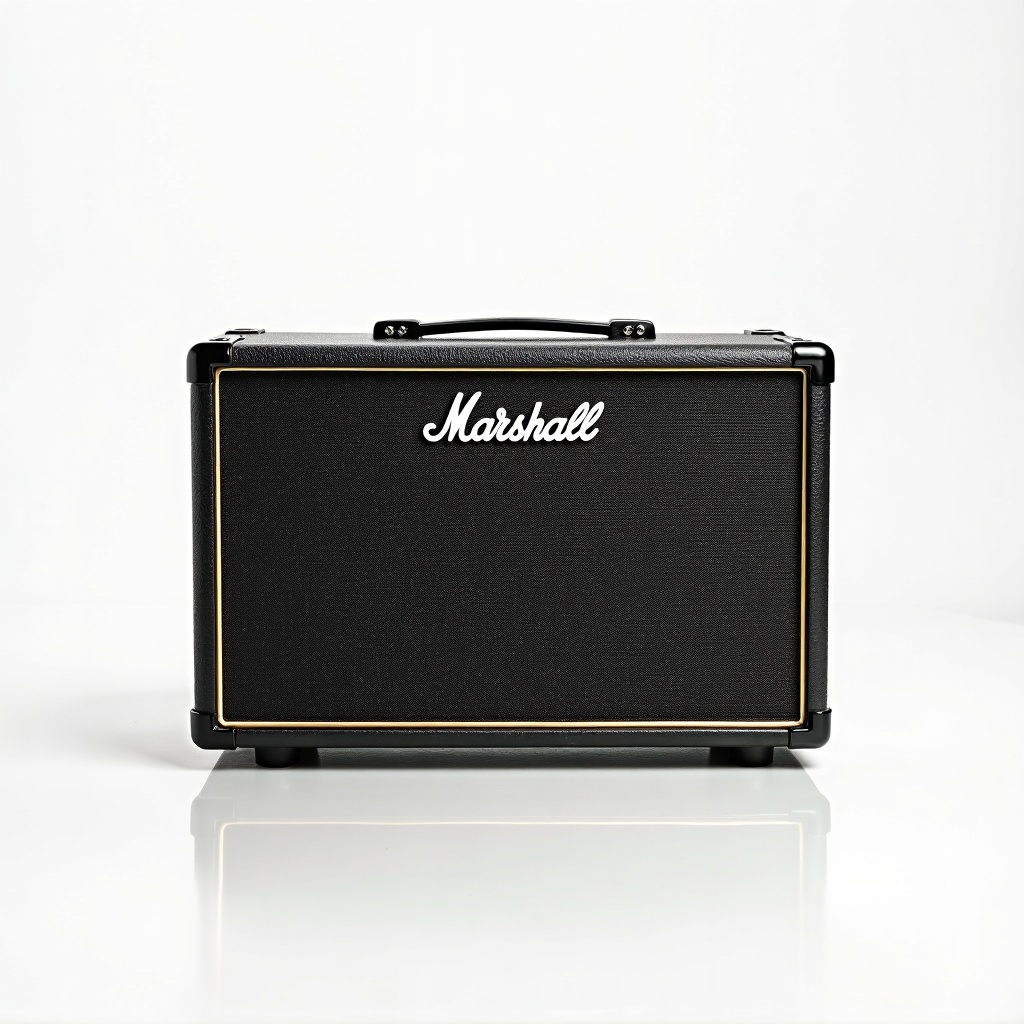
This is a single-box Bluetooth speaker in the mid-size category, bigger than an Acton, smaller than a Woburn. Marshall packs three drivers inside, two tweeters plus a woofer, and tunes them for that signature thick, slightly forward sound the brand built its reputation on. The look is the whole pitch. Vinyl-wrapped cabinet, gold script logo, brass-look knobs on top.
Those knobs aren't decoration. You get physical dials for volume, bass, and treble, with that satisfying click as you turn them. In a world of touch panels and app-only EQ, having real controls you can adjust without looking is genuinely nice. People who buy this speaker tend to fiddle with them constantly, which is sort of the point.
How it sounds day to day
Loud, warm, and confident. The Stanmore III leans into bass and lower mids, so rock, hip-hop, and anything with a beat hits with real body. It plays well above conversation level and stays composed without distorting, which makes it a solid main speaker for a living room, kitchen, or a decent-size bedroom.
It is not a precision audiophile monitor, and Marshall has never pretended otherwise. Vocals and acoustic tracks can sound a touch thick if you leave the bass dial high, so dial it back and the detail opens up. Stereo separation from one cabinet is limited by physics, but the dual-tweeter setup spreads things wider than you'd expect. For the money, the tuning is fun rather than clinical. That's a feature, not a flaw, for most buyers.
Connectivity and the small annoyances
Bluetooth 5.x handles the day-to-day, pairing is quick, and range across a normal apartment is fine. There's a 3.5mm input and an RCA input on the back, so you can run a turntable through it if you add a phono preamp. The Marshall Bluetooth app lets you save EQ presets and update firmware.
A few things to know before you buy. This is a wired-power speaker, no battery, so it lives on a shelf rather than going to the beach. There's no Wi-Fi streaming, no AirPlay, no Chromecast, and no multiroom syncing with non-Marshall gear. If you've built a Sonos house, the Stanmore won't join the party. It's also heavy, which is great for stability and bad for moving it around.
Who should buy it, and who should skip it
Buy it if you want one good-looking speaker that sounds big and you mostly stream from your phone. It's perfect on a console table, a kitchen counter, or a home office where the amp aesthetic earns its keep. Vinyl fans with a small setup will appreciate the line-in.
Skip it if you need portability, want a true multiroom ecosystem, or care more about flat, accurate sound than character. At this price you could also look at the Sonos Five for app-driven flexibility or the KEF LSX II for cleaner hi-fi detail. The Stanmore wins on personality and physical controls, not on features.
The verdict
The Marshall Stanmore III is an easy recommendation for the right person. It runs roughly $350 to $450, sounds great for casual listening, and looks like nothing else on the shelf. You're paying a design premium and giving up Wi-Fi smarts, and plenty of buyers happily make that trade.
Get it for the vibe and the room-filling sound. Just go in knowing it's a styled-up Bluetooth speaker, not a smart-home hub.
Frequently asked questions
- Does the Marshall Stanmore III have Wi-Fi or AirPlay?
- No. It's Bluetooth only, with 3.5mm and RCA inputs on the back. There's no Wi-Fi streaming, AirPlay, or Sonos-style multiroom support, so it won't sync with other speakers over a network.
- Is the Stanmore III portable or battery-powered?
- It is not. The Stanmore III is a plug-in, mains-powered speaker meant to stay on a shelf or counter. If you want a battery-powered Marshall to carry around, look at the Emberton or Kilburn lines instead.
- Can I connect a turntable to the Marshall Stanmore III?
- Yes, through the RCA or 3.5mm input. You'll need a turntable with a built-in phono preamp, or an external one, since the Stanmore doesn't have a dedicated phono stage.
Marcus has spent over a decade testing consumer tech and gadgets. He cares about whether a product earns its price in real life — not on a spec sheet.