KitchenAid Artisan Stand Mixer (5-qt) Review

The countertop icon that turns dough, batter, and meringue into a hands-off affair.
Dump in flour, butter, and eggs, flip the lever, and walk away. The KitchenAid Artisan handles the muscle work of baking so you don't have to stand there with a hand mixer cramping up.
What the KitchenAid Artisan Actually Is
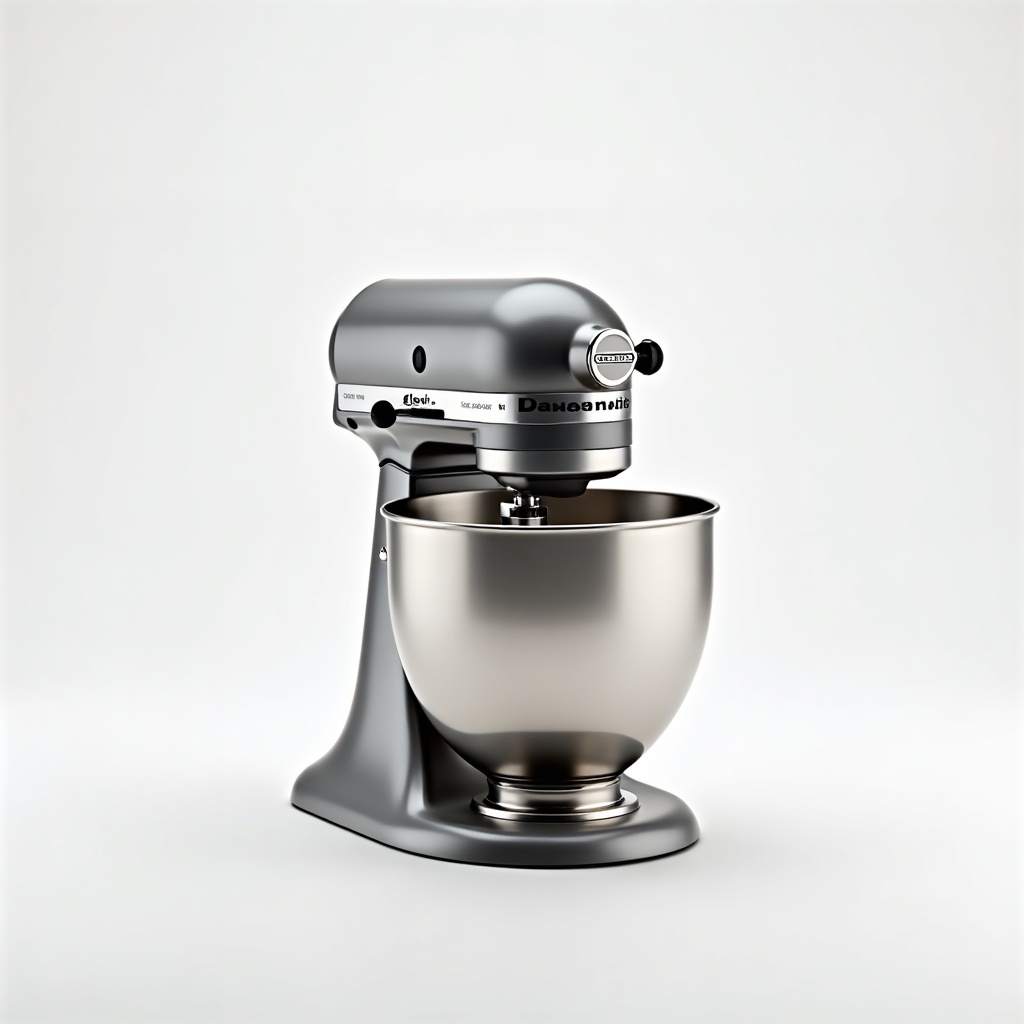
This is the mixer you've seen on every baking show and half the wedding registries in America. The 5-quart Artisan sits in the middle of KitchenAid's lineup: bigger than the entry-level Classic, smaller and lighter than the bowl-lift Pro models. It uses the tilt-head design, which means the motor head flips back so you can scrape the bowl or swap the beater without performing surgery.
You get a 5-quart stainless bowl, a flat beater, a dough hook, and a wire whip. The motor is a 325-watt unit, which sounds modest next to commercial mixers but is plenty for home batches. The real selling point is the front power hub, which turns the mixer into a base for a pasta roller, meat grinder, spiralizer, and a dozen other attachments KitchenAid is happy to sell you separately.
How It Performs Day to Day
For cookie dough, cake batter, frosting, and whipped cream, it's effortless. The planetary action means the beater spins one way while orbiting the bowl the other way, so it actually reaches the sides instead of leaving a ring of unmixed flour. Meringue and whipped cream come together fast and stiff. This is where the Artisan earns its reputation.
Bread is the one place to set expectations. The 325-watt motor handles a couple loaves of standard dough fine, but stiff, low-hydration doughs or back-to-back heavy batches will make the head warm and the machine walk across the counter if you don't watch it. Serious bread bakers tend to step up to a bowl-lift Pro for the stronger motor and locked-down bowl. For most people baking once or twice a week, the Artisan never breaks a sweat.
It's heavy, around 22 pounds, which is a feature and an annoyance. Heavy means it stays planted during normal mixing. It also means you won't be lifting it in and out of a cabinet every day. Most owners leave it on the counter, which is fine because it looks good doing it.
The Good and the Annoying
Pros: it's built like a tank, the metal-gear construction lasts for decades, and the resale value is absurd. The color range is genuinely huge if you care about your kitchen matching. The attachment ecosystem is the deepest in the category, so the mixer grows with you. Cleanup is easy since the bowl and tools are dishwasher-safe.
Cons: the price climbs fast, especially during non-sale stretches. The 5-quart bowl is great for most jobs but tight for very large batches. The pouring shield that helps keep flour from dusting your counter is sold separately on some bundles, which is mildly insulting at this price. And the attachments add up quickly, so the sticker you pay is rarely the total you spend.
Who Should Buy It, Who Should Skip It
Buy it if you bake regularly and want a machine that outlives your appliances. It's ideal for cookies, cakes, frostings, and the occasional bread loaf, and the attachment hub makes it a long-term kitchen anchor rather than a single-use gadget.
Skip it if you bake twice a year. A $40 hand mixer will do the job and live in a drawer. Skip the 5-quart specifically if you make large bread batches weekly. Go to a bowl-lift Pro instead. And if counter space is precious and you hate clutter, know that this is not a thing you tuck away easily.
The Verdict
The KitchenAid Artisan is expensive and worth it for the right person. It's not the strongest mixer money can buy, but it hits the sweet spot of capability, durability, and looks that has kept it on counters for generations. Most home bakers will never outgrow it.
Expect to pay roughly $380 to $450 on Amazon, with sales pulling it lower a few times a year. If you bake with any regularity, wait for a discount and buy with confidence. This is a 20-year purchase, not a phase.
Frequently asked questions
- Is the 5-quart KitchenAid Artisan big enough for most baking?
- Yes for the vast majority of home bakers. The 5-quart bowl comfortably handles standard cookie, cake, and frosting batches and a couple loaves of bread dough. If you regularly double or triple recipes or do heavy bread baking, look at a 6- or 7-quart bowl-lift model instead.
- Can the KitchenAid Artisan knead bread dough?
- It can, within limits. The 325-watt motor handles normal home loaves fine using the dough hook, but stiff or very large batches can strain it and cause the mixer to move on the counter. Frequent, heavy bread bakers are better served by a bowl-lift Pro model.
- Are the KitchenAid attachments worth it?
- The front power hub is one of the best reasons to buy. The pasta roller and meat grinder are genuinely useful and well-made, but they're sold separately and add up fast. Buy the mixer for mixing, then add attachments over time as you actually need them.
Daniel covers home, kitchen, and everyday-carry gear. He's a stickler for durability and value, and has no patience for overpriced hype.