JBL Flip 6 Bluetooth Speaker Review

Punchy, waterproof sound that follows you from shower to beach.
The Flip 6 is the speaker you grab without thinking. It survives the pool, the shower, and the kitchen counter, and it sounds genuinely good doing all three.
What the JBL Flip 6 actually is
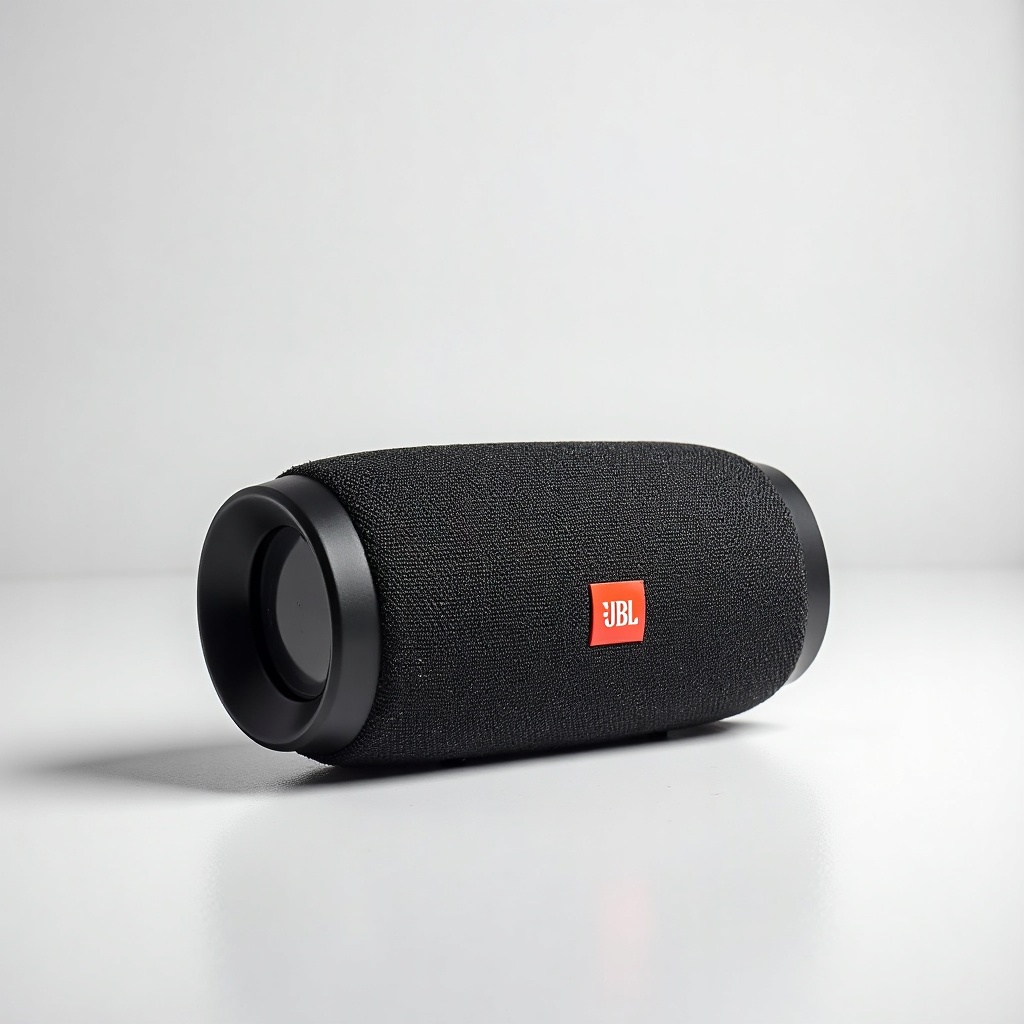
This is JBL's mid-size portable Bluetooth speaker, the one that lives between the tiny Clip and the bigger Charge. It's a roughly can-of-soda-shaped cylinder you can wrap a hand around, with an IP67 rating that means dust-proof and good for a 30-minute dunk in shallow water. Owners price it in the $90 to $130 range depending on color and sales.
The headline upgrade over the older Flip 5 is a two-way system: a racetrack driver plus a separate tweeter, instead of one driver doing everything. In plain terms, the treble got cleaner and the whole thing got louder without turning to mush.
How it sounds and performs day to day
Punchy is the right word. JBL tunes these for bass you can feel, and the Flip 6 leans into it without drowning vocals the way some cheap speakers do. Pop, hip-hop, and anything with a beat shine. Acoustic and jazz are fine but not its calling. At full volume it pushes air convincingly for its size, though like every small speaker it gets a little harsh at the very top of the dial.
Battery lands around 12 hours, which holds up at moderate volume and drops fast if you crank it. PartyBoost lets you pair two Flip 6 units for stereo or chain compatible JBL speakers together, which is fun but not a feature most people will ever touch. Bluetooth 5.1 connects quickly and stays connected across a normal room. The one real day-to-day gripe owners repeat: there's still no aux input and no speakerphone, so this is strictly a music box.
The pros and cons that matter
On the plus side: it's genuinely tough, it's loud for the size, the bass is satisfying, and it shrugs off rain and pool splashes. The fabric finish and rubberized ends take abuse well. It's the kind of thing you stop babying after a week.
The downsides are honest ones. There's no waterproof microphone or call function. The companion app is fine but the EQ is basic. And the price has crept up, so at the top of its range you start bumping into the bigger, longer-lasting JBL Charge 5 and the more refined Sonos Roam. The Flip 6 wins on portability and price, not on raw output.
Who should buy it, and who should skip it
Buy it if you want one speaker that goes everywhere. Shower, backyard, beach bag, bike basket. It's our easy pick for someone who values toughness and a good bass thump over audiophile detail, and it's a smart gift because almost nobody dislikes it.
Skip it if you mainly listen at home, where a wired or larger speaker gives you more sound for the money. Skip it if you need hands-free calls or a 3.5mm input. And if you host loud outdoor parties regularly, spend the extra and get the Charge 5 for the bigger battery and more volume.
The verdict
The Flip 6 earns its reputation. It's the default recommendation in its size and price for a reason: durable, loud enough, fun to listen to, and impossible to feel precious about. Grab it on sale closer to $90 and it's an easy yes. Pay near the top of the range and just glance at the Charge 5 first.
Frequently asked questions
- Is the JBL Flip 6 waterproof?
- Yes. It carries an IP67 rating, meaning it's dust-proof and can handle being submerged in up to a meter of water for about 30 minutes. Pool and shower use are no problem, though it isn't built to play music while fully underwater.
- How long does the JBL Flip 6 battery last?
- JBL rates it at around 12 hours, and that holds at moderate volume. Crank it loud or push heavy bass and you'll see noticeably less. Recharging is over USB-C.
- JBL Flip 6 vs Charge 5: which should I get?
- Get the Flip 6 if you want the most portable, affordable option. Step up to the Charge 5 if you need more volume, longer battery, and a built-in USB power bank for charging your phone.
Marcus has spent over a decade testing consumer tech and gadgets. He cares about whether a product earns its price in real life — not on a spec sheet.