
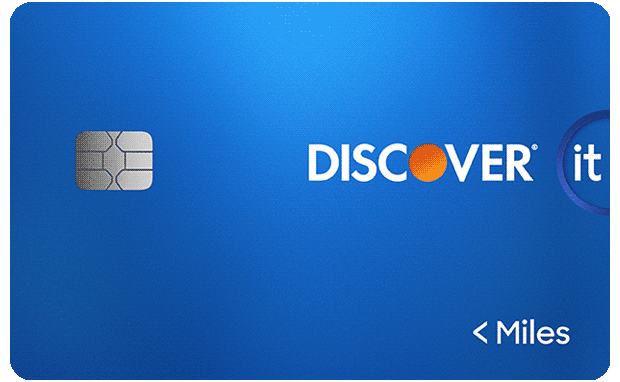
Discover it Miles Review

Flat travel miles on everything — and Discover matches all your miles after year one.
A flat-rate travel card that pays 1.5 miles on everything, then doubles every mile you earned after your first year. That match is the whole pitch, and it's a good one.
What the Discover it Miles actually is
The Discover it Miles is a no-annual-fee travel rewards card built around one number: 1.5 miles per dollar on every purchase. No bonus categories to track, no calendar quarters to activate. You buy something, you earn the same rate. Groceries, gas, a hotel, a taco. All 1.5x.
Miles here are worth a penny each toward travel or as a straight cash redemption, which keeps the math honest. A mile is a cent. The twist that makes this card interesting is Discover's first-year Mile Match: at the end of year one, Discover doubles every mile you earned. Spend enough and that effectively turns your first year into a 3% return on everything.
How it performs day to day
As a daily driver, it's pleasantly boring, and that's a compliment. There's nothing to remember. A flat 1.5x means you never leave points on the table by forgetting to swipe the right card. Redeeming is just as simple. You can wipe travel charges off your statement or take the cash. No portal gymnastics, no transfer partners to optimize.
Discover's customer service consistently rates near the top of the industry, and the app is clean and fast. The catch is acceptance. Discover is taken at most U.S. retailers now, but it still trails Visa and Mastercard, and overseas coverage is spottier. That's a real problem for a card with 'travel' in the name. Plan to carry a backup if you're heading abroad.
The pros and cons worth knowing
On the plus side: zero annual fee, no foreign transaction fees, a flat rate that beats overthinking, and that first-year match that can outpunch cards twice its weight. There's also no minimum-spend hoop to jump through for the match, unlike the upfront bonuses most rivals dangle. Just spend normally and Discover doubles it.
The downsides are honest ones. After year one, 1.5x is fine but no longer special. The Capital One VentureOne earns the same 1.25x with transfer partners, and the Wells Fargo Active Cash and Citi Double Cash both give you 2% on everything with no annual fee. Discover miles also can't transfer to airline or hotel programs, so power travelers chasing premium-cabin redemptions get nothing useful here. And again, acceptance gaps abroad sting.
Who should get it and who should skip it
This is a strong pick for someone who wants travel-flavored rewards without homework, especially in their first year of solid spending. If you'll put $15,000 or more on the card in year one, the match makes it one of the best no-fee cards going for that stretch. It's also a smart first card for people building or rebuilding credit who want flat earnings and no fee.
Skip it if you travel internationally often and need a card accepted everywhere, or if you want to milk airline transfer partners for outsized value. Heavy spenders past the first year should look at a flat 2% cash card or a real travel ecosystem like Chase Ultimate Rewards. Our blunt verdict: grab it for the first-year match, then decide whether to keep it or graduate to something with more juice.
Frequently asked questions
- How does the Discover it Miles Mile Match work?
- At the end of your first cardmember year, Discover automatically doubles all the miles you earned, with no spending cap or minimum to qualify. Earn 30,000 miles and you'll end the year with 60,000, worth about $600 toward travel or cash.
- Is the Discover it Miles a good card for international travel?
- It has no foreign transaction fees, which helps, but Discover acceptance is weaker outside the U.S. than Visa or Mastercard. Carry a backup card if you travel abroad regularly.
- Can you transfer Discover miles to airlines or hotels?
- No. Discover miles are fixed at one cent each and redeem only for travel statement credits or cash. If you want airline and hotel transfer partners, look at Capital One or Chase instead.
Aaron digs into offers, cards, and software so you don't have to read the fine print. He flags the genuinely good deals and the traps.