Cuisinart Coffee Maker (14-Cup Programmable) Review

Wake up to a full carafe with a brewer that's been a kitchen staple for years.
Set it the night before, wake up to a full pot. This is the no-drama drip machine that's been quietly running American kitchens for years.
What it is
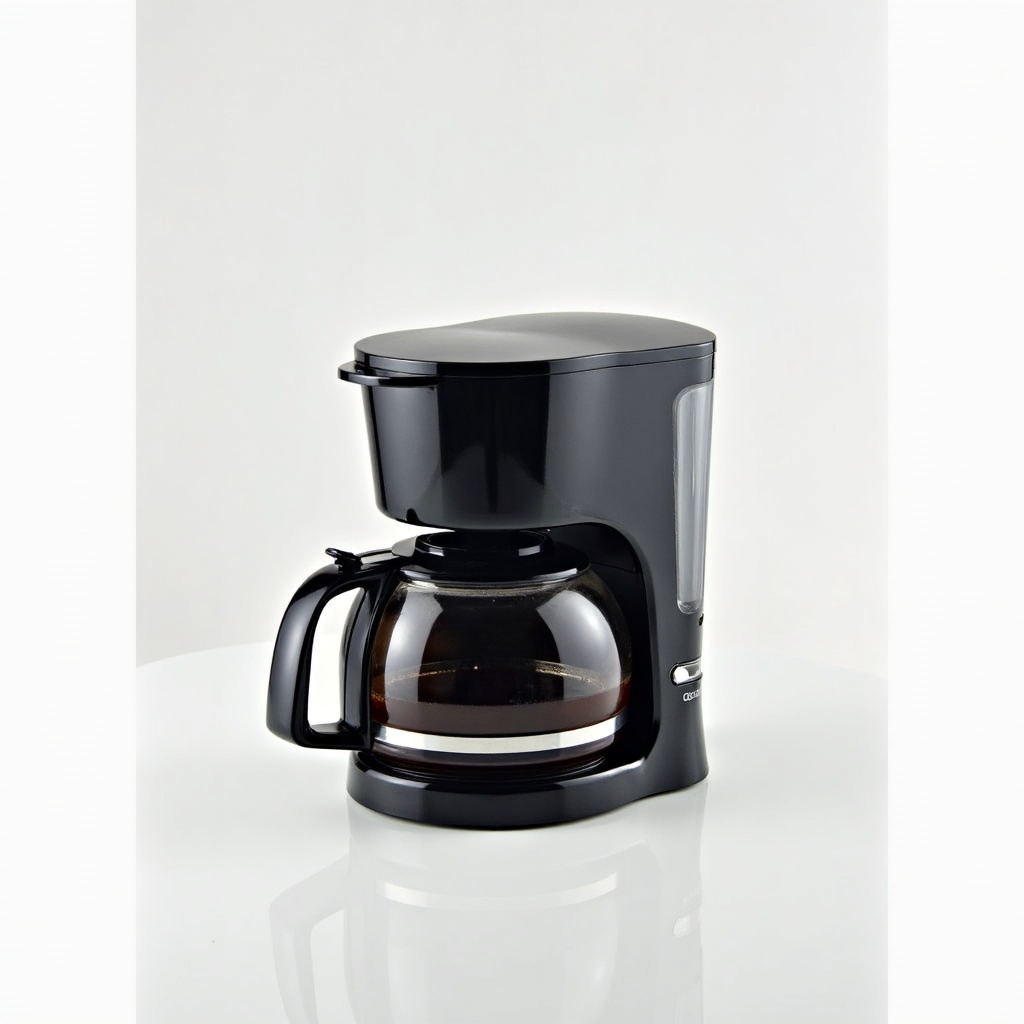
The Cuisinart 14-Cup Programmable (the DCC-3200 lineage, give or take a model number) is a classic auto-drip machine that does exactly what the name says. You fill the reservoir, load a paper or the included gold-tone filter, set the clock, and tell it when to start. Fourteen cups is a lot, which matters if you're feeding a household or a Saturday with guests.
Price floats in the $70 to $100 range on Amazon depending on color and whatever sale is running. That puts it above the bargain-bin drip makers and well below the Technivorm and Breville machines that chase the SCA certification crowd. It's the sensible middle, and it's earned that spot honestly.
How it actually performs
Brew quality is genuinely good for a machine at this price. It gets the water hot enough to extract properly, which is more than you can say for a lot of cheap drip makers that produce sad, lukewarm coffee. Owners consistently report a cleaner, hotter cup than they got from whatever it replaced.
The features that people actually use are the ones it nails. The 24-hour programmability is rock solid. Brew strength control (regular vs. bold) does make a noticeable difference. There's auto-shutoff you can set up to four hours, a 1-to-4-cup setting for small batches, and a self-clean cycle that you should run because hard water will eventually murder any coffee maker that isn't descaled.
The keep-warm hotplate is fine but not magic. Leave coffee on it for an hour and you'll taste the difference. That's physics, not a Cuisinart flaw, but it's worth knowing if you sip slowly.
The cons worth knowing
The carafe is the recurring complaint, and it's a fair one. Some units drip down the side when you pour, the classic glass-carafe dribble. It's not universal, but it shows up enough in owner reviews that you should expect to pour with a little care.
It's plastic-heavy construction. At this price, that's expected, but don't go in imagining stainless steel and heft. The buttons and reservoir lid feel like a $90 appliance, because that's what it is. And it's a chunky machine. Measure your counter and your cabinet clearance before you buy, because the footprint surprises people.
Who should buy it (and who shouldn't)
Buy it if you drink coffee by the pot, want it ready before you're conscious, and don't want to think about gear. Families, offices, anyone running a busy morning. It's the safe recommendation you give a relative who just wants reliable coffee and zero fuss.
Skip it if you're a single cup-a-day drinker (get a smaller or single-serve machine), if you're chasing pour-over-level precision, or if you want a thermal carafe that holds heat for hours. For that last group, look at the Cuisinart DCC-3400 thermal version or step up to a Bonavita or OXO.
The verdict
This is a kitchen staple for a reason. It brews hot, programs reliably, makes a big batch, and costs a sane amount of money. The drippy carafe and plastic build are real but minor against what you're getting.
For most people who want a programmable drip machine without a research rabbit hole, this is the easy pick. Recommended.
Frequently asked questions
- Does the Cuisinart 14-Cup carafe really drip when you pour?
- It's the most common complaint. Not every unit does it, but enough do that you should pour slowly and steadily. The thermal-carafe Cuisinart models tend to pour cleaner if it bothers you.
- How often should I clean and descale it?
- Run the built-in self-clean cycle with a vinegar-water mix every one to three months depending on your water hardness. Hard-water areas should lean toward monthly. Skipping this is the number one reason these machines slow down or quit.
- Can it make less than a full pot?
- Yes. The 1-to-4-cup setting adjusts the brew for small batches so you don't get weak, watery coffee when you only need a couple of mugs.
Marcus has spent over a decade testing consumer tech and gadgets. He cares about whether a product earns its price in real life — not on a spec sheet.