Chemex Pour-Over Coffee Maker (8-Cup) Review

Clean, bright pour-over coffee from a glass carafe pretty enough to leave on the counter.
If your morning cup tastes muddy and flat, the Chemex fixes that. It strips coffee down to something clean and bright, and it looks good enough to leave out on the counter all day.
What the Chemex 8-Cup actually is
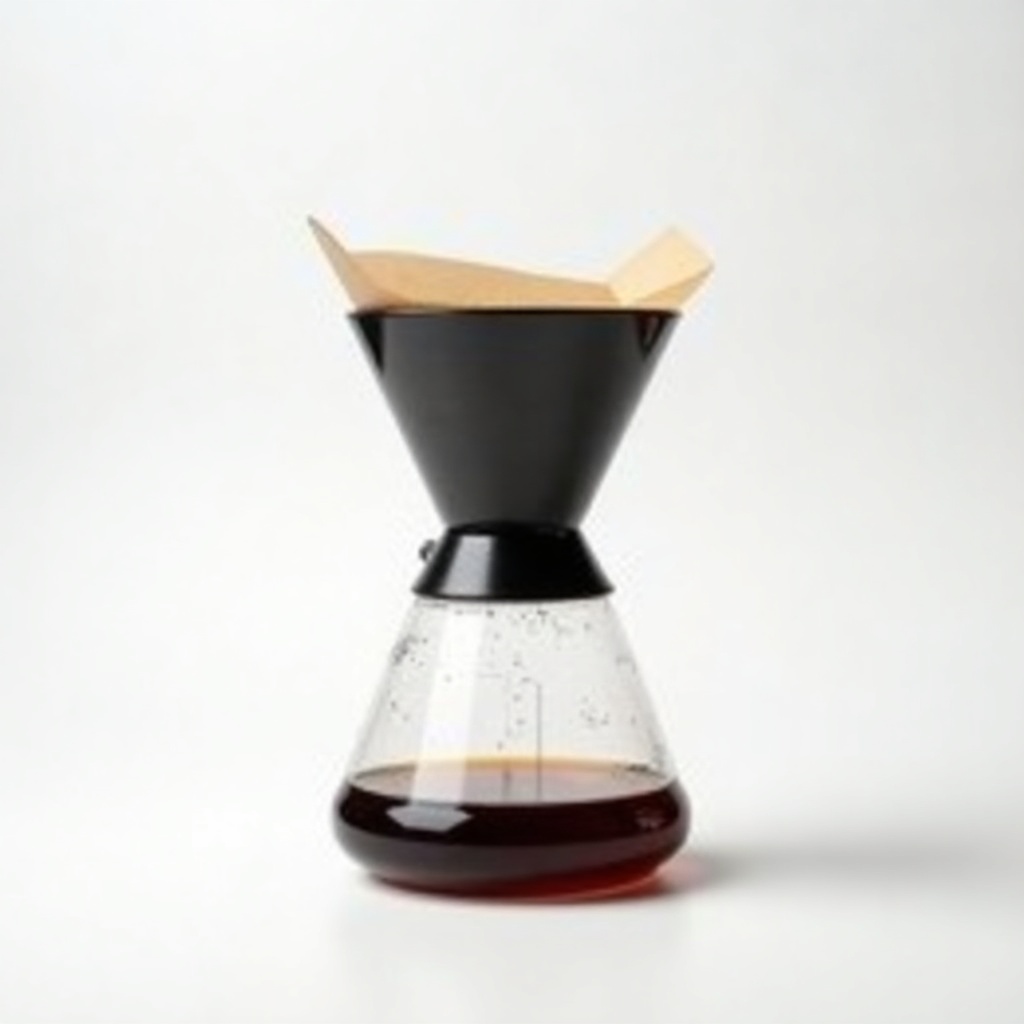
The Chemex is a single piece of borosilicate glass shaped like an hourglass, with a wooden collar tied on with a leather cord. That's basically the whole thing. There are no electronics, no plastic, no moving parts. You set a thick paper filter in the top, add ground coffee, and pour hot water over it. The brewed coffee collects in the bottom of the same vessel.
The design dates to 1941 and sits in the Museum of Modern Art's permanent collection, which tells you how little it has needed to change. The 8-cup model is the standard size most people buy. Worth knowing up front: a Chemex "cup" is about 5 ounces, so 8 cups is closer to two large mugs than eight. Don't expect a full pot for a crowd.
How it performs day to day
The coffee is the reason this thing has survived 80 years. The proprietary filters are heavier than standard paper, and they trap more oils and fine sediment. The result is a cup that tastes clean, bright, and almost tea-like, with the sweet and fruity notes in a good bean coming through clearly. If you've only had drip-machine coffee or French press, the difference is obvious from the first sip.
Now the catch. This is manual brewing, and it rewards a little effort. Total brew time runs four to five minutes, and you need to pour slowly in stages rather than dumping all the water in at once. A gooseneck kettle helps a lot here and a burr grinder helps even more. Use pre-ground supermarket coffee and a careless pour, and you'll get a thinner, less impressive cup. The Chemex doesn't hide weak technique the way a French press does.
Cleanup is genuinely easy. Lift the filter with the spent grounds, toss it, rinse the glass. Because there's no metal mesh or basket, there's nothing to scrub. The downside of all that glass is fragility. It's a single piece, the wooden collar can stain, and you should hand-wash it. People do break these, usually in the sink.
The honest pros and cons
Pros: exceptional flavor clarity, a carafe attractive enough to display, no plastic touching your coffee, dead-simple cleanup, and a price in the $45 to $55 range that's reasonable for something this durable in everyday use. It also keeps coffee from over-extracting because brewing stops when you stop pouring.
Cons: you're committed to buying Chemex-branded filters, which cost more than basic cones and aren't always at the grocery store. The brewing is hands-on and slow, so it's a bad fit for groggy weekday autopilot. The glass is breakable. And it makes less coffee than the cup count suggests. There's also no warming function, so it cools fairly quickly once brewed.
Who should buy it, and who should skip it
Buy it if you care about how coffee tastes and you enjoy the ritual of making it. Weekend coffee people, light-roast fans, and anyone who appreciates a good-looking object on the counter will be happy. It's also a strong gift for someone getting into specialty coffee.
Skip it if you need a full pot for several people, if you want coffee waiting for you at 6 a.m. without any effort, or if you're rough on dishes. A programmable drip machine or a Technivorm Moccamaster (which uses a similar filter concept but automates the pour) makes more sense for those folks. The Chemex is for people who want to be involved.
The verdict
The Chemex earns its reputation. It makes some of the cleanest, brightest coffee you can get at home, it costs less than most quality electric brewers, and it'll last for years if you don't drop it. The price is the technique and the patience. Pay that, and you get a cup that's hard to beat.
Frequently asked questions
- Can you use regular coffee filters in a Chemex?
- It's not recommended. Standard filters are thinner and don't fit the cone properly, which lets through more sediment and changes the taste. The thicker Chemex bonded filters are a big part of why the coffee comes out so clean. They cost a bit more, but you can buy them in bulk.
- How much coffee does the 8-cup Chemex really make?
- A Chemex cup is roughly 5 ounces, so the 8-cup model makes about 40 ounces, or two large mugs. It's plenty for one or two people, but it won't fill a pot for a group the way the name implies.
- Is the Chemex hard to use?
- It's simple but not effortless. You pour hot water over the grounds in slow stages over four to five minutes. A gooseneck kettle and freshly ground coffee make a noticeable difference. Rushing the pour gives you a weaker cup.
Aaron digs into offers, cards, and software so you don't have to read the fine print. He flags the genuinely good deals and the traps.