CeraVe SA Smoothing Cream Review

Salicylic acid + ceramides team up to smooth rough, bumpy skin without stripping it dry.
If you've got those tiny rough bumps on your arms or thighs that no body lotion ever touches, this is the cheap drugstore tube that genuinely sands them down.
What CeraVe SA Smoothing Cream Actually Is
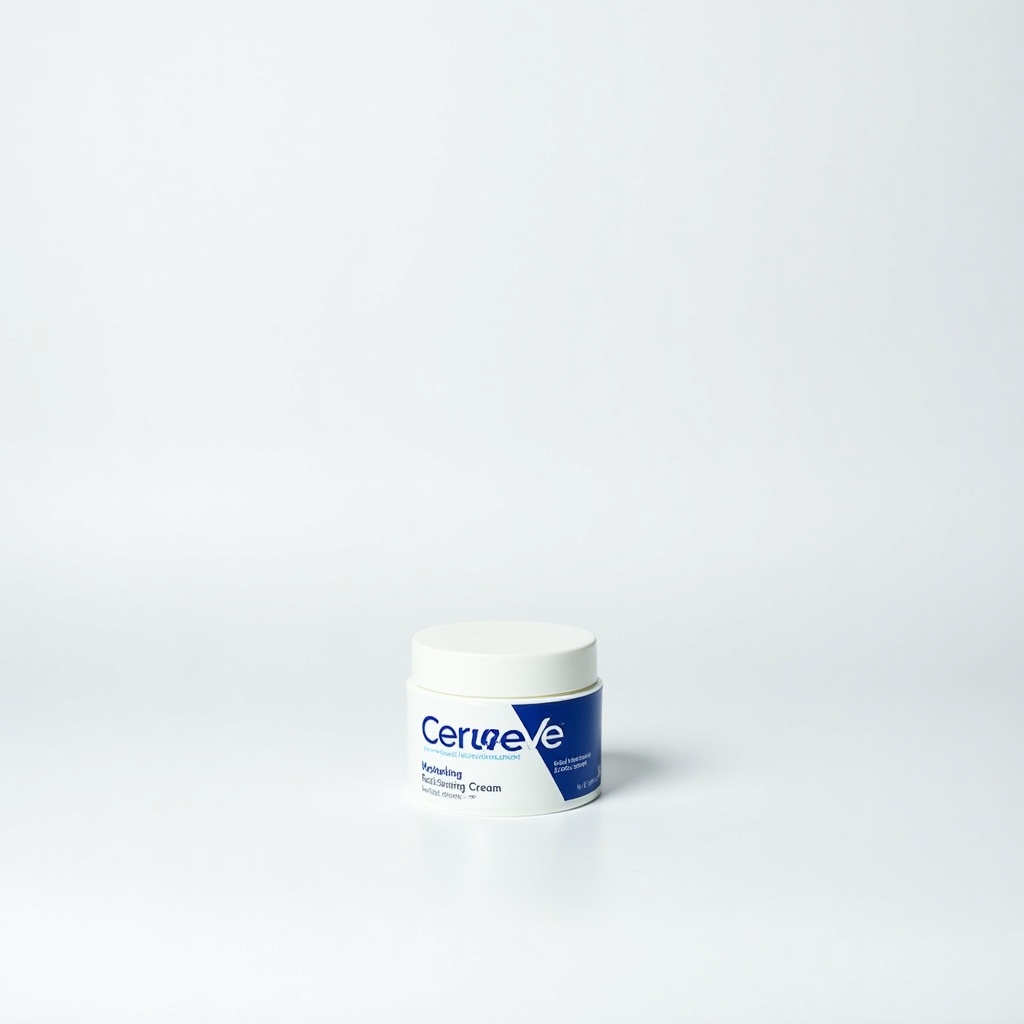
This is a thick body cream built around salicylic acid, which exfoliates inside the pore and loosens dead skin, plus CeraVe's usual trio of ceramides and hyaluronic acid to keep things from drying out. The whole pitch is exfoliation that doesn't leave you feeling like sandpaper afterward. It's aimed squarely at keratosis pilaris, the bumpy 'chicken skin' on the backs of arms and thighs, along with general rough, flaky patches.
Price floats somewhere in the $15 to $22 range for the tub depending on size and where you grab it. CeraVe was developed with dermatologists, and that lineage shows. There's no fragrance, no fuss, no claims about glowing radiance. It's a functional cream that does one job.
How It Performs Day to Day
The texture is heavier than the standard CeraVe Moisturizing Cream, which makes sense given it's meant for thirsty, textured skin. It sinks in within a minute or two and doesn't leave a greasy film, so you can get dressed without sticking to your shirt. Owner consensus is consistent on this point: it's a workhorse, not a luxury.
Where it earns its reputation is keratosis pilaris. Used daily for a few weeks, most people report noticeably smoother arms and fewer red bumps. Salicylic acid needs repetition to work, so this isn't an overnight fix. The mistake people make is using it twice and quitting. Stick with it morning and night and the difference is real.
It also pulls double duty as a heavy-duty moisturizer for cracked heels, elbows, and dry shins. A little goes a long way, so the tub lasts longer than the price suggests.
The Good and the Annoying
On the plus side: it's cheap, it's effective on rough texture, it's fragrance-free, and it won't trigger most sensitive skin. The ceramides genuinely offset the exfoliating acid, so you don't get the tight, stripped feeling that cheaper KP creams cause. For the money, very little competes.
The downsides are minor but worth knowing. The tub packaging means dipping fingers in, which some people dislike for hygiene reasons. The cream can feel slightly tacky on very humid days. And if your skin is already irritated or broken out, the salicylic acid can sting on the first few uses. Patch test before you slather it everywhere.
Who Should Buy It and Who Should Skip
Buy it if you have keratosis pilaris, rough body texture, or dry flaky patches and you want a no-nonsense fix that won't wreck your budget. It's also a smart entry point for anyone curious about chemical exfoliation without dropping money on an AHA serum.
Skip it if you have very reactive or eczema-prone skin that flares with acids, since the salicylic acid may be too much. Skip it too if you just want a basic daily moisturizer with no exfoliation. In that case the regular CeraVe Moisturizing Cream is gentler and cheaper. And if you're chasing facial anti-aging results, this isn't that product.
The Verdict
For bumpy, rough skin, CeraVe SA Smoothing Cream is one of the best dollar-for-dollar picks on the shelf. It does exactly what it promises, it's backed by a dermatologist-developed formula, and the only real catches are patience and a possible sting on day one. Consistency is the whole game here. Use it daily and it delivers.
Frequently asked questions
- Does CeraVe SA Smoothing Cream work for keratosis pilaris?
- Yes, this is its main use case. The salicylic acid exfoliates the buildup that causes the bumps. Most people see smoother skin within a few weeks of daily use, though you have to keep using it to maintain results.
- Can I use CeraVe SA Smoothing Cream on my face?
- It's formulated as a body cream and is thicker than facial products. Some people use it on rough facial patches, but if you want salicylic acid for the face, CeraVe's dedicated facial SA cleanser or a lighter formula is a better fit.
- How often should I apply it?
- Once or twice a day on clean skin works best. If your skin stings or gets irritated, drop back to once a day or every other day until it adjusts, then ramp up.
Marcus has spent over a decade testing consumer tech and gadgets. He cares about whether a product earns its price in real life — not on a spec sheet.