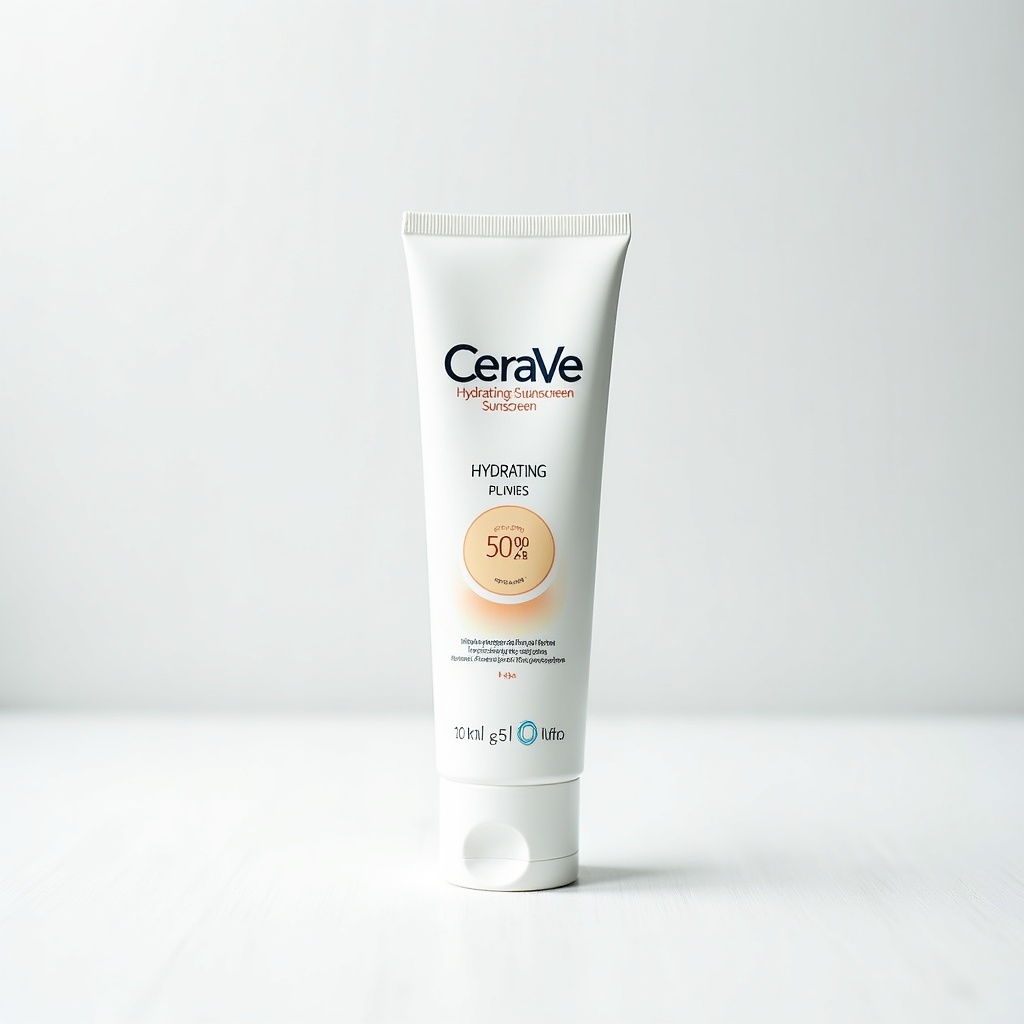
CeraVe Hydrating Mineral Sunscreen SPF 50 Review

Gentle zinc-and-titanium SPF 50 that protects without the greasy white-cast drama.
A zinc-and-titanium SPF 50 that protects sensitive skin without leaving you looking like a powdered ghost. For under $20, it's one of the easiest mineral sunscreens to actually wear every day.
What it is
This is a 100% mineral sunscreen, meaning it uses zinc oxide and titanium dioxide instead of chemical filters like avobenzone or octinoxate. That matters if your skin throws a fit at the usual stuff, or if you just prefer a physical block that sits on top of the skin rather than absorbing into it.
CeraVe leans on its usual trio of ceramides plus hyaluronic acid and niacinamide, so it's pitched as much as a hydrating daily moisturizer-with-SPF as a beach product. Fragrance-free, non-comedogenic, and cheap enough that you won't ration it. The price hovers in the $12 to $18 range on Amazon depending on size and sales.
How it performs day to day
Mineral sunscreens have a reputation, and it's mostly white cast. CeraVe handles that better than the old-school zinc creams that turned everyone into a mime. Owners with light to medium skin report a finish that's close to invisible once it settles. Deeper skin tones will still see some cast, especially in the first few minutes and in harsh light. That's chemistry, not a flaw in this specific product, but it's the honest caveat.
The texture is on the thicker side and the finish is more dewy than matte. People with dry or normal skin love this. If you're oily, you'll probably want a mattifying powder over the top or it can read a little shiny by midday. It plays fine under makeup as long as you give it a minute to set first.
SPF 50 with broad-spectrum coverage is plenty for daily errands, commuting, and most outdoor time. As with any sunscreen, the protection is only as good as the amount you apply, and most people under-apply mineral formulas because they're thicker. Use more than feels reasonable.
The good and the annoying
Pros: gentle enough for reactive and acne-prone skin, no chemical filters, genuinely hydrating thanks to the ceramides, and almost absurdly affordable for what it is. It's an easy recommendation as a starter mineral SPF.
Cons: the dewy finish isn't for everyone, the white cast is real on darker skin, and the squeeze tube isn't ideal for reapplying over a full face during the day. It also isn't a featherlight summer-vacation sunscreen. Think daily face protection, not a thin body lotion you slather on at the pool.
Who should buy it, who should skip it
Buy it if you have sensitive, dry, or breakout-prone skin and want a no-drama mineral SPF for everyday wear. It's also a solid pick if chemical sunscreens sting your eyes or irritate your skin, and a good entry point if you've been scared off mineral formulas by chalky disasters.
Skip it if you have deep skin and can't stand any cast, or if you're very oily and hate a glow. In those cases look at tinted mineral options like EltaMD UV Clear Tinted or a chemical SPF like La Roche-Posay Anthelios, which sit lighter and leave no white residue.
The verdict
For the money, CeraVe Hydrating Mineral Sunscreen SPF 50 is one of the safest blind buys in the beauty aisle. It does the boring, important job of daily protection while keeping sensitive skin calm and hydrated. It's not the most invisible mineral sunscreen and it's not built for poolside reapplication, but as a daily-driver face SPF it earns its spot. Recommended, with the white-cast caveat firmly in mind.
Frequently asked questions
- Does CeraVe Hydrating Mineral Sunscreen leave a white cast?
- Some, yes. It's much better than older zinc sunscreens and blends in well on light to medium skin. Deeper skin tones will likely notice a cast, so a tinted mineral option may suit you better.
- Is it good for oily or acne-prone skin?
- It's non-comedogenic and gentle, so it's friendly to breakout-prone skin. But the finish runs dewy, so oily types may want to set it with powder or choose a mattifying formula instead.
- Can you wear it under makeup?
- Yes. Let it set for a minute or two before applying foundation. Because it's thicker, use a thin even layer so makeup grips properly on top.
Aaron digs into offers, cards, and software so you don't have to read the fine print. He flags the genuinely good deals and the traps.