Bondi Sands Aero Self Tanning Foam Review

Streak-free, fast-drying glow that develops overnight—no orange, no mess.
Wake up with a tan that actually looks like the sun did it, not a vat of fake bake. That's the promise here, and Bondi Sands mostly delivers.
What it is
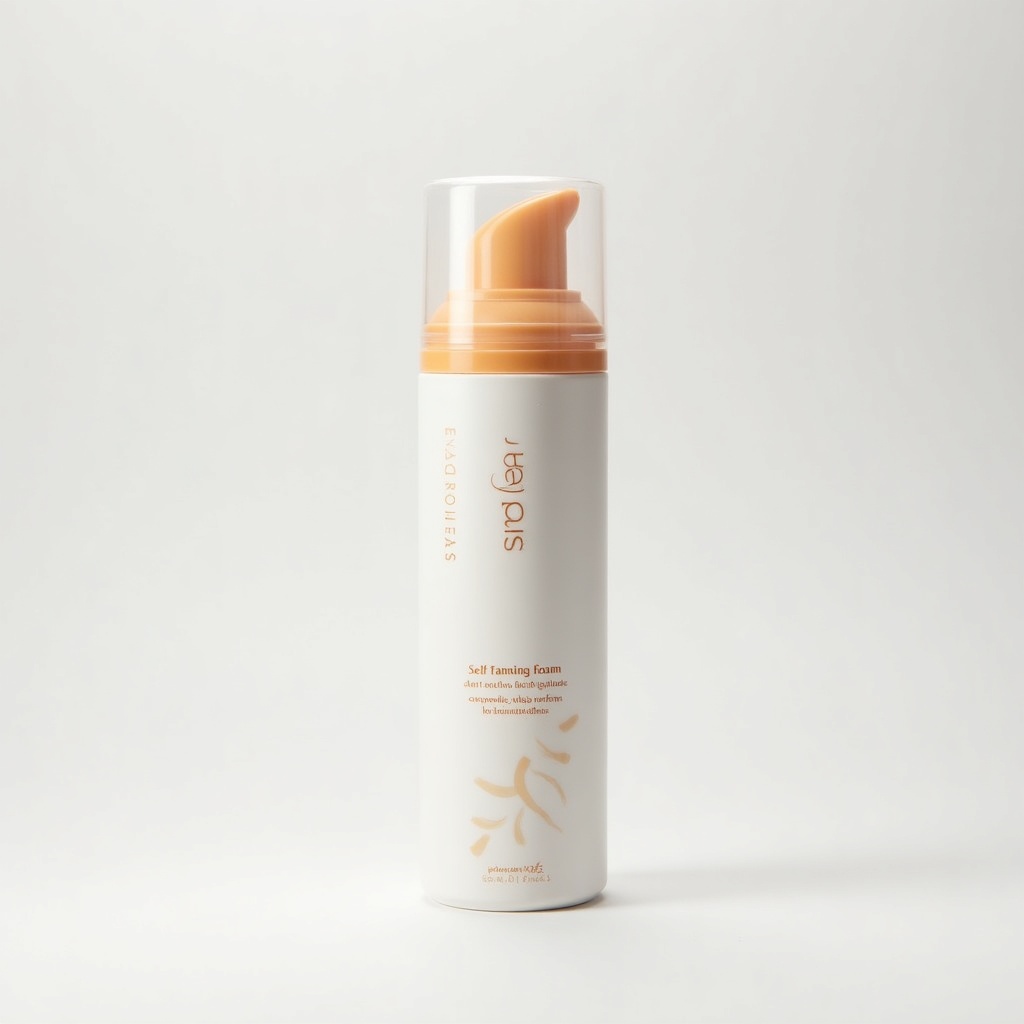
The Aero is Bondi Sands' whipped, aerated take on self-tanner. Instead of the dense, sticky mousse most brands sell, you get a light foam that feels closer to shaving cream. It comes in Light/Medium and Dark, develops over a few hours to overnight, and rinses off the guide color in the shower the next morning. Price sits in the $15 to $25 range on Amazon, which is firmly mid-market.
The pitch is speed and zero drama. Fast-drying, no tacky film, no Cheeto-orange surprise. For a drugstore-priced tanner, that's a tall order. Owners largely report it clears the bar.
How it actually performs
The texture is the whole point. Because it's aerated, it spreads thin and dries in roughly a minute or two, which means you're not standing around like a scarecrow waiting to put clothes on. The green-tinted guide color shows you exactly where you've been, so missing a patch takes real effort. Use a mitt. Always use a mitt.
Color-wise, it leans cool and brown rather than warm and orange, which is the single biggest reason it gets recommended over cheaper alternatives. The Dark shade is genuinely dark by morning, so first-timers should start with Light/Medium and build. Wear time is the usual self-tan story: three to five solid days before it starts to fade unevenly, longer if you moisturize and skip aggressive exfoliating.
The known weak spots are predictable. It can grab on dry zones, so your knees, ankles, elbows and knuckles need prepping and a lighter hand. Fade can get patchy if you don't keep skin hydrated. And the scent is the standard self-tan biscuit smell that the brand masks reasonably well but never fully kills.
Pros and cons
Pros: dries genuinely fast, the foam is easy to control, the color is natural and not orange, the guide color removes guesswork, and it's cheap enough to experiment with. The Dark gives real depth without going clownish.
Cons: dry patches need prep or they go blotchy, fade isn't always graceful, and the foam can deflate or feel slightly less luxe than thicker mousses. People with very fair, pink-toned skin should test on a small area first because cool browns can read ashy on the lightest complexions.
Who it's for and who should skip it
Buy it if you want a low-effort, low-mess tan that builds gradually and doesn't trash your white sheets the second night. It's a strong everyday option and a smart pick for anyone nervous about self-tanner turning them orange. The fast dry time also makes it the easier choice if you're applying before bed and want to be dressed quickly.
Skip it if you want a deep, week-long bronze with no maintenance, or if you've had luck with thicker mousses and don't mind the slower dry. Very dry skin types should be honest with themselves about exfoliating and moisturizing first, or any tanner will let them down.
The verdict
For the money, the Bondi Sands Aero is one of the safest self-tanner recommendations going. It's fast, it's forgiving, and it doesn't go orange, which is exactly what most people want and rarely get at this price. It won't out-last a salon spray tan and it punishes lazy prep, but as a grab-it-on-Amazon staple, it earns its reputation.
Frequently asked questions
- How long does Bondi Sands Aero take to develop?
- It dries in a minute or two and develops over about four to six hours, so most people apply it before bed and shower off the guide color in the morning.
- Does Bondi Sands Aero make you look orange?
- No. The color leans cool and brown rather than warm, which is why it's recommended over cheaper tanners. The Dark shade goes genuinely dark, so fair skin should start with Light/Medium.
- How long does the tan last?
- Roughly three to five days before it starts to fade. Moisturizing daily and avoiding heavy exfoliation will stretch it and keep the fade more even.
Marcus has spent over a decade testing consumer tech and gadgets. He cares about whether a product earns its price in real life — not on a spec sheet.