Apple AirPods Max Review

Apple's over-ear powerhouse with rich sound and spatial audio that wraps around you.
The AirPods Max deliver the kind of dense, controlled sound and effortless Apple integration that make most $400 headphones feel cheap. The catch is the price and a few stubborn quirks Apple refuses to fix.
What you're actually buying
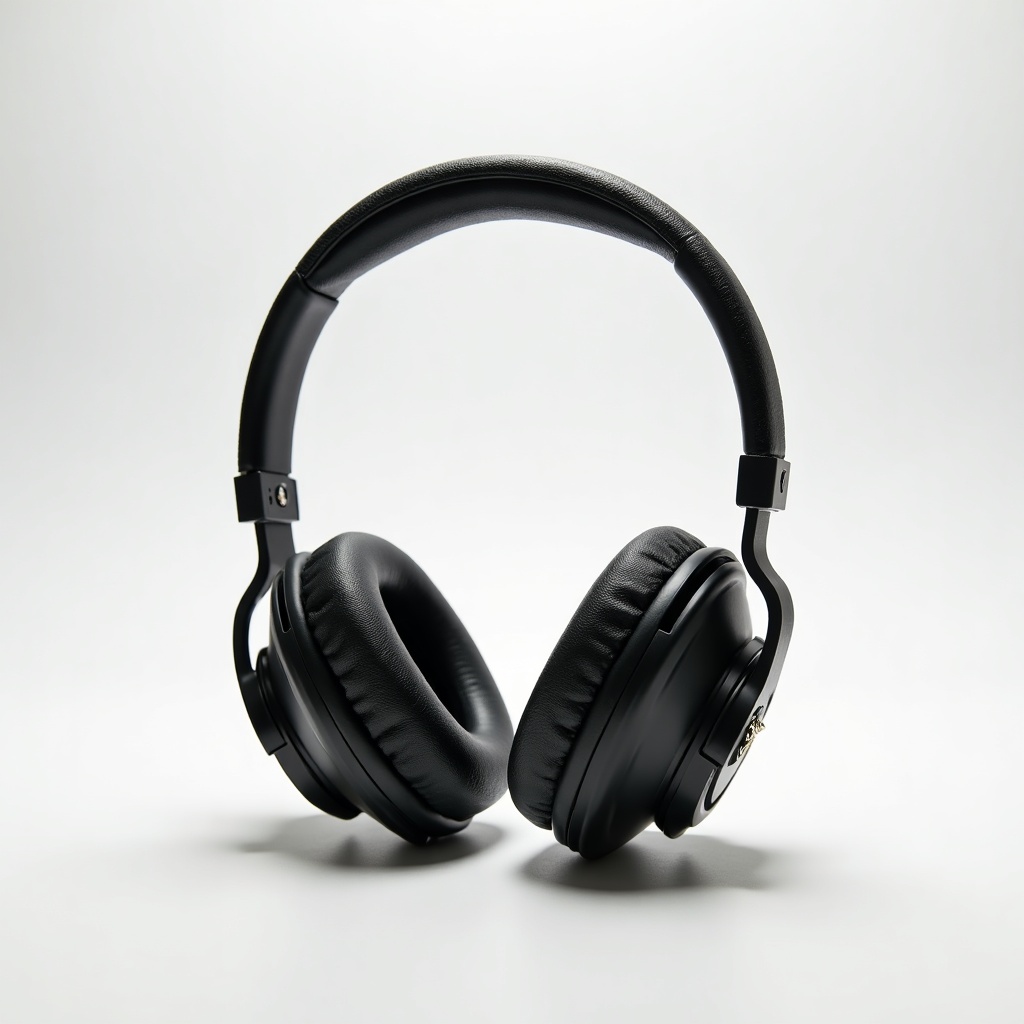
The AirPods Max are Apple's over-ear headphones, priced in the $450 to $550 range depending on color and sales. They're built from real aluminum and steel, not the plastic you'll find on a Sony or Bose, and you feel that the second you pick them up. The mesh canopy headband and memory-foam ear cushions are genuinely nice pieces of industrial design.
Inside, you get active noise cancellation, transparency mode, spatial audio with head tracking, and tight integration with iPhones, iPads, and Macs. The newer USB-C version swapped the old Lightning port and added a few fresh colors. Sound quality stayed the same, so don't expect an audio upgrade if you already own the Lightning model.
How they sound and perform day to day
This is where the AirPods Max earn their keep. Owners consistently praise the sound as full and detailed, with bass that's deep but not bloated and a midrange that handles vocals beautifully. It's a richer, more composed presentation than the Bose QuietComfort Ultra, and it holds up against wired headphones that cost more.
The noise cancellation ranks among the best you can buy, right up there with Sony's WH-1000XM5 and Bose. Spatial audio is the party trick people actually like, wrapping movie audio and certain music mixes around your head. Switching between Apple devices is close to instant, and answering a call by lifting them off one ear feels like the future Apple keeps promising. Day to day, they just work, which is most of the point.
The annoying parts
There's no real power button. To save battery you set them in the bizarre, bra-shaped Smart Case, which protects almost nothing and has been mocked relentlessly. Leave them out and the battery drains slowly over a few days.
At nearly 385 grams, they're heavy. Most people can wear them for a couple of hours fine, but long-haul flights can get tiring on the top of your head. Battery life sits around 20 hours, which trails the 30-plus hours from Sony and Bose. And there's no 3.5mm jack at all, so wired listening means buying Apple's adapter cable.
Who should buy them, and who shouldn't
Buy these if you live inside the Apple ecosystem and want the best-sounding, best-built wireless over-ears Apple makes. They're ideal for someone who values audio quality and design over battery numbers, and who watches a lot of movies on an iPad or Mac where spatial audio shines.
Skip them if you're on Android, since you lose half the magic and there are better-value options. Skip them if you fly constantly and need marathon battery life. And honestly, if you just want great ANC headphones, the Sony XM5 or Bose QuietComfort Ultra do the core job for less money.
The verdict
The AirPods Max are excellent headphones held back by a premium price and a few decisions Apple should have walked back years ago. The sound, build, and ecosystem integration are the real draw, and for the right buyer they're worth it. Just wait for a sale. They drop closer to $450 often enough that paying full sticker feels like a small defeat.
Frequently asked questions
- Are the AirPods Max worth it in 2025?
- For committed Apple users who want top-tier sound and build, yes, especially on sale. If you're on Android or want the longest battery life, the Sony XM5 or Bose QuietComfort Ultra make more sense for the money.
- What's the difference between the USB-C and Lightning AirPods Max?
- The newer model swaps Lightning for USB-C and adds new colors. Sound quality and noise cancellation are unchanged, so there's no reason to upgrade if you already own the Lightning version.
- How long does the AirPods Max battery last?
- About 20 hours with noise cancellation or spatial audio on. That trails the 30-plus hours from Sony and Bose, so frequent long-haul travelers may want to look elsewhere.
Marcus has spent over a decade testing consumer tech and gadgets. He cares about whether a product earns its price in real life — not on a spec sheet.