Apple AirPods (3rd Generation) Review

Spatial audio and all-day comfort in Apple's open-ear earbuds—no silicone tips required.
The 3rd-gen AirPods give you Apple's spatial audio and a comfortable open-ear fit without jamming silicone tips into your ears. For some people that's the whole appeal. For others it's the dealbreaker.
What the AirPods (3rd Generation) actually are
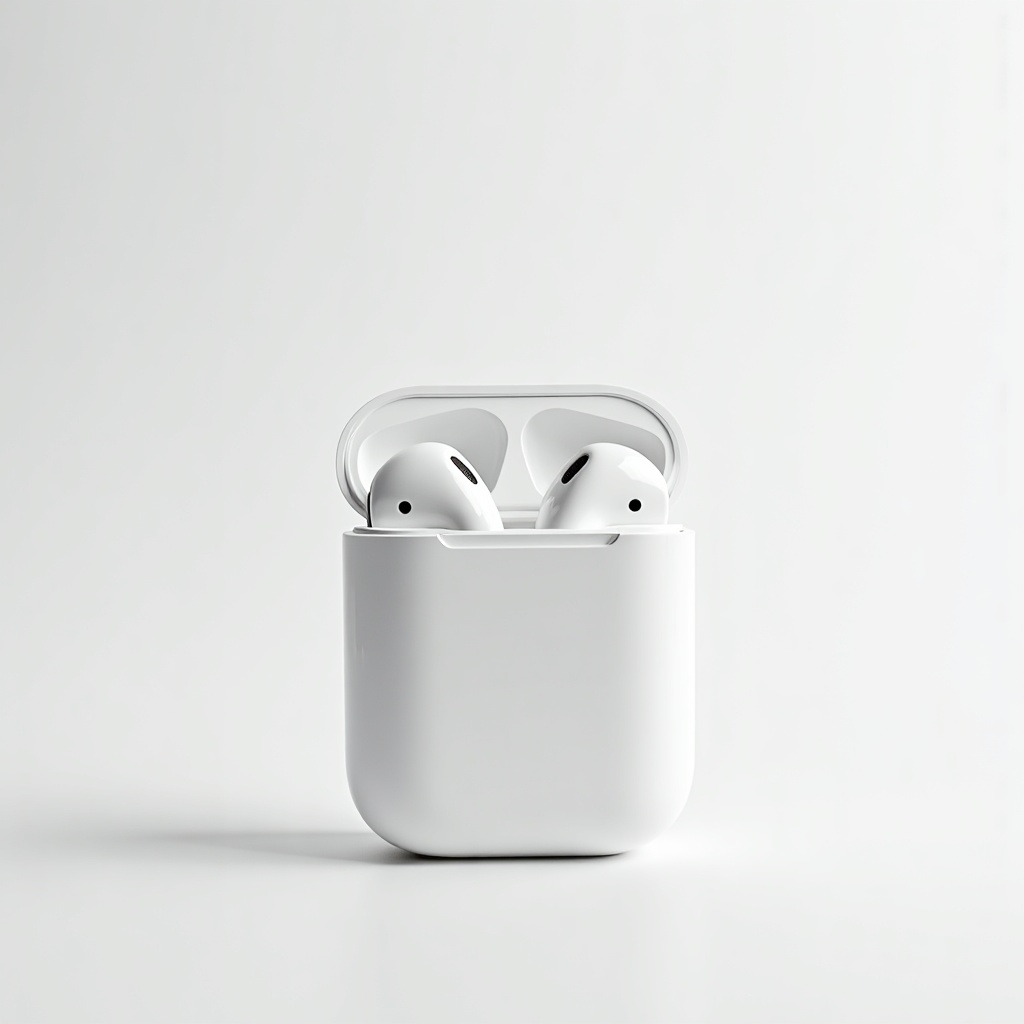
These are Apple's open-ear earbuds, the ones shaped like the classic AirPods rather than the in-ear Pro models. No rubber tips. They rest in the bowl of your ear instead of sealing inside the canal, which is the single most important thing to understand before you buy.
Compared to the older 2nd-gen, the 3rd generation added a shorter stem, spatial audio support, sweat and water resistance, and noticeably better sound. They sit in Apple's lineup below the AirPods Pro and above the entry models. Price floats somewhere in the $130 to $170 range depending on sales, and they go on sale at Amazon often enough that paying full sticker feels like a mistake.
How they perform day to day
The big win is comfort. Because nothing wedges into your ear canal, you can wear these for hours without the plugged-up pressure that in-ear buds cause. People who hate the feeling of sealed earbuds tend to love this fit. The flip side is obvious. Open-ear means zero passive isolation and no active noise cancellation, so a loud train or an open office will bleed right in, and you'll crank the volume to compensate.
Sound is good for the style. Clear vocals, decent detail, and Adaptive EQ that tunes the audio to your ears. Bass is the weak spot. Without a seal, low end has nowhere to live, so it sounds light next to the AirPods Pro or a set of sealed Sony or Bose buds. Spatial audio with head tracking is a fun trick for movies and works well for that, less essential for music.
If you live in Apple's world, the experience is the easy part. Instant pairing, automatic switching between your iPhone, iPad, and Mac, and hands-free Siri all just work. On Android you lose most of that, which makes these a tough sell for non-Apple users.
Battery and the little things
Roughly six hours of listening per charge, with the case carrying you to about 30 hours total. That's solid and in line with rivals. The case charges over Lightning or wirelessly, and a quick five-minute top-up buys you about an hour of playback.
Note that Apple now sells a USB-C version of these as the 'AirPods 4,' so the Lightning case here marks this as the older design. The IPX4 rating handles sweat and rain, making them fine for the gym or a jog, just not for swimming.
Who should buy, who should skip
Buy these if you genuinely dislike in-ear tips and want an open fit, you're all-in on iPhone, and you want some situational awareness while walking or working. They're also a clean pick for someone upgrading from the original AirPods who wants better sound without going Pro.
Skip them if you want noise cancellation, you ride loud transit, or you care about deep bass. In those cases the AirPods Pro are worth the extra money, and Android users will get more from Google's or Samsung's own buds. Bargain hunters should also keep an eye on the newer USB-C AirPods 4, which often undercut the 3rd gen and offer a more current design.
The verdict
The AirPods (3rd Generation) are a comfortable, well-built set of open-ear earbuds that nail the Apple ecosystem stuff and sound clean for the format. The catch is the format itself. No seal means no isolation and modest bass, and that's a real limit, not a nitpick.
Get them on sale and know what you're getting. For tip-haters in the Apple camp, they're an easy recommendation. Everyone chasing quiet or bass should spend up for the Pro.
Frequently asked questions
- Do the AirPods (3rd Generation) have noise cancellation?
- No. They're open-ear earbuds with no active noise cancellation and minimal passive isolation. If you need to block out noise, the AirPods Pro are the model to get.
- Are the 3rd-gen AirPods worth it over the 2nd generation?
- Yes, if you want better sound. The 3rd gen adds spatial audio, sweat resistance, a redesigned shorter-stem fit, and a clear audio upgrade over the older 2nd-gen model.
- Do they work with Android phones?
- They'll pair and play audio over Bluetooth, but you lose the best features like instant pairing, automatic device switching, and hands-free Siri. Android users are better served by Google or Samsung earbuds.
Daniel covers home, kitchen, and everyday-carry gear. He's a stickler for durability and value, and has no patience for overpriced hype.