Anker Soundcore Motion Boom Plus Review

A rugged, waterproof speaker with booming bass and a built-in handle for the beach or backyard.
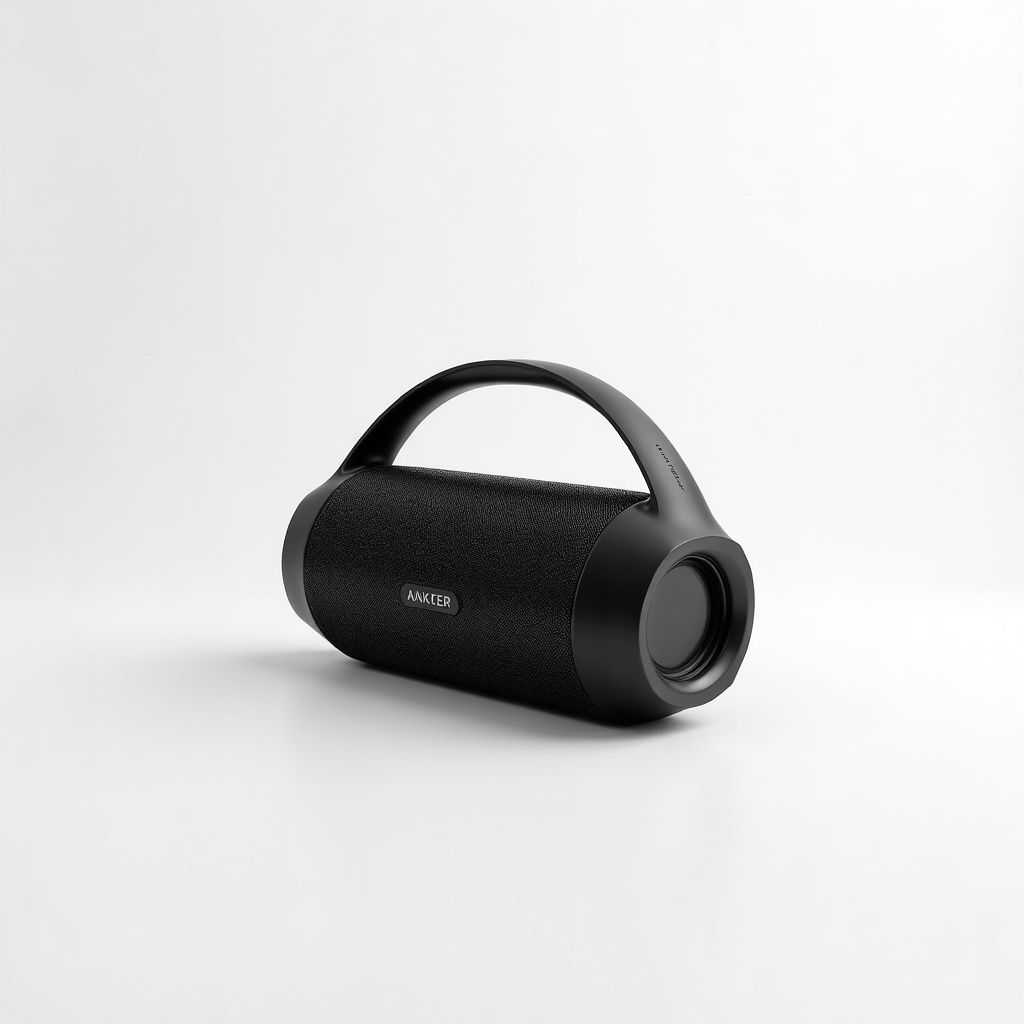
A waterproof speaker with enough low-end to fill a patio and a handle that makes hauling it to the beach a non-issue. The Motion Boom Plus is loud, tough, and priced to undercut the obvious names.
What the Motion Boom Plus actually is
This is Anker's step-up portable Bluetooth speaker, the bigger sibling to the popular Motion Boom. You get a chunky, IP67-rated waterproof brick with a sturdy carry handle molded into the top, dual woofers, two tweeters, and passive radiators that do the heavy lifting on bass. It floats, it shrugs off rain and sand, and it weighs a bit under four pounds, so it's a one-hand grab on the way out the door.
Price floats in the $90 to $130 range at Amazon depending on sales and color. That puts it right between cheap pool speakers and the JBL Charge 5, which is the comparison most buyers are really making.
How it sounds and performs day to day
Bass is the headline. Owners consistently report a low-end that hits well above its price class, and Anker's BassUp button cranks it further when you want the backyard to thump. For hip-hop, EDM, and pop at a cookout, it delivers. The tweeters keep things from turning into pure mud, though the treble can sound a touch sharp at high volume and the midrange takes a back seat. This is a fun-tuned speaker, not a neutral one.
It goes properly loud for outdoor use without distorting badly, and the companion app gives you a real EQ if the default tuning is too aggressive. Bluetooth range and connection stability are solid. Battery life is the other strong card here, with Anker rating it around 20 hours and most people getting a full day of outdoor use at sane volumes. There's a USB port to charge your phone off it, which is genuinely handy at the beach.
The catches worth knowing
Volume drains the battery fast. Crank it with BassUp on and that 20-hour figure shrinks closer to a third of that. It charges over micro-USB on some units rather than USB-C, which is mildly annoying in 2025 and means digging out the right cable. There's no aux input either, so it's Bluetooth or nothing.
Stereo separation is limited because the drivers sit close together, and indoors that powerful bass can boom and overwhelm a small room. This speaker wants open space. If you mostly listen at low volume on a desk, you're buying way more speaker than you need.
Who should buy it, who should skip it
Buy it if you want a loud, rugged speaker for the patio, pool, tailgate, or campsite and you like your bass front and center. The handle alone makes it nicer to lug around than a Charge 5, and you're often paying less. It's a smart pick for anyone who treats a speaker as outdoor gear rather than decor.
Skip it if you want accurate, balanced sound for critical listening, or if you mostly play music quietly indoors. Audiophiles will find the tuning too colored. And if you're committed to a multi-speaker ecosystem like Sonos or already own a JBL you can pair, the Anker doesn't slot in.
The verdict
The Motion Boom Plus is one of the better value outdoor speakers you can grab on Amazon. It trades audiophile finesse for big, fun bass, real durability, and a handle that makes it genuinely portable. For the money, that's an easy recommendation for backyard and beach duty.
Frequently asked questions
- Is the Anker Soundcore Motion Boom Plus waterproof?
- Yes. It carries an IP67 rating, meaning it's dustproof and survives submersion in up to a meter of water for 30 minutes. It also floats, so it's safe around a pool or at the beach.
- How long does the battery last?
- Anker rates it at roughly 20 hours, which holds up at moderate volume. Play loud with BassUp on and expect closer to 6 to 8 hours. There's also a USB port to charge your phone from the speaker.
- Motion Boom Plus vs JBL Charge 5: which is better?
- The Anker is usually louder with bigger bass and adds a carry handle, often at a lower price. The Charge 5 sounds a bit more balanced and fits a wider accessory ecosystem. For raw outdoor volume and value, the Anker wins.
Marcus has spent over a decade testing consumer tech and gadgets. He cares about whether a product earns its price in real life — not on a spec sheet.